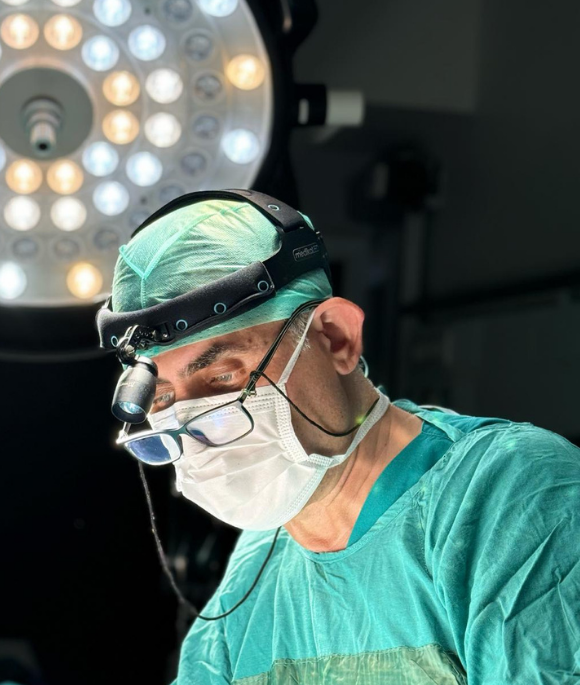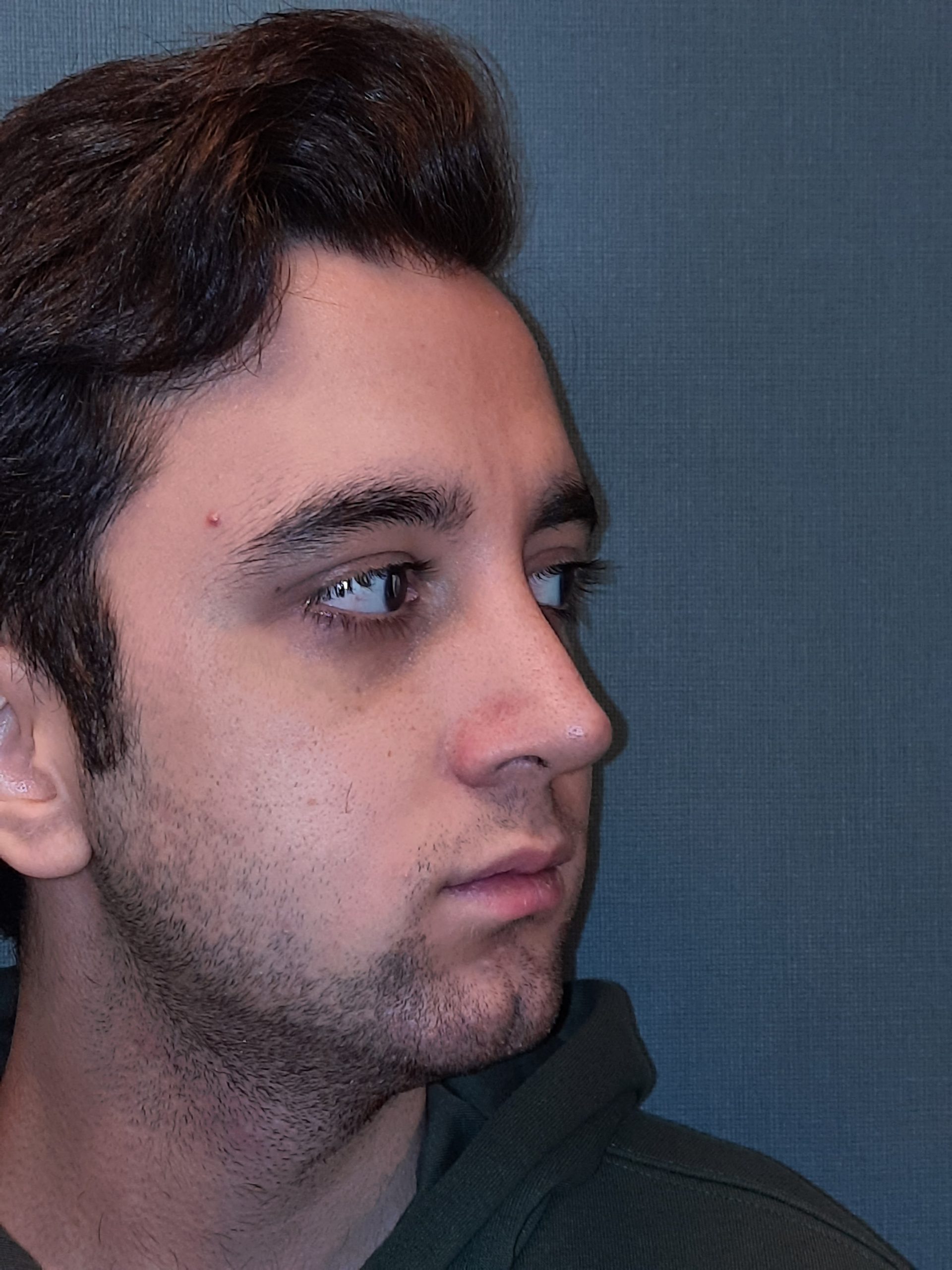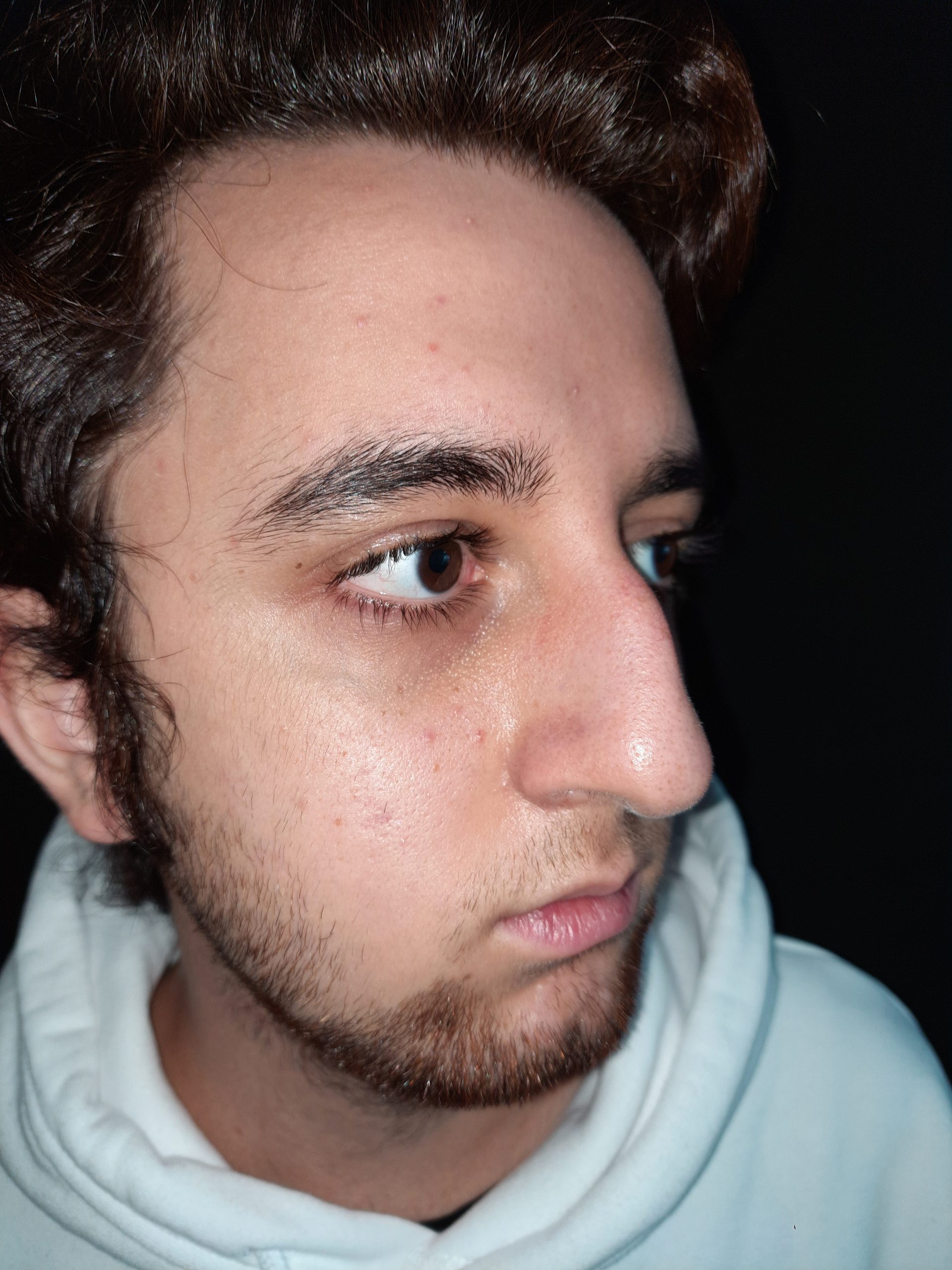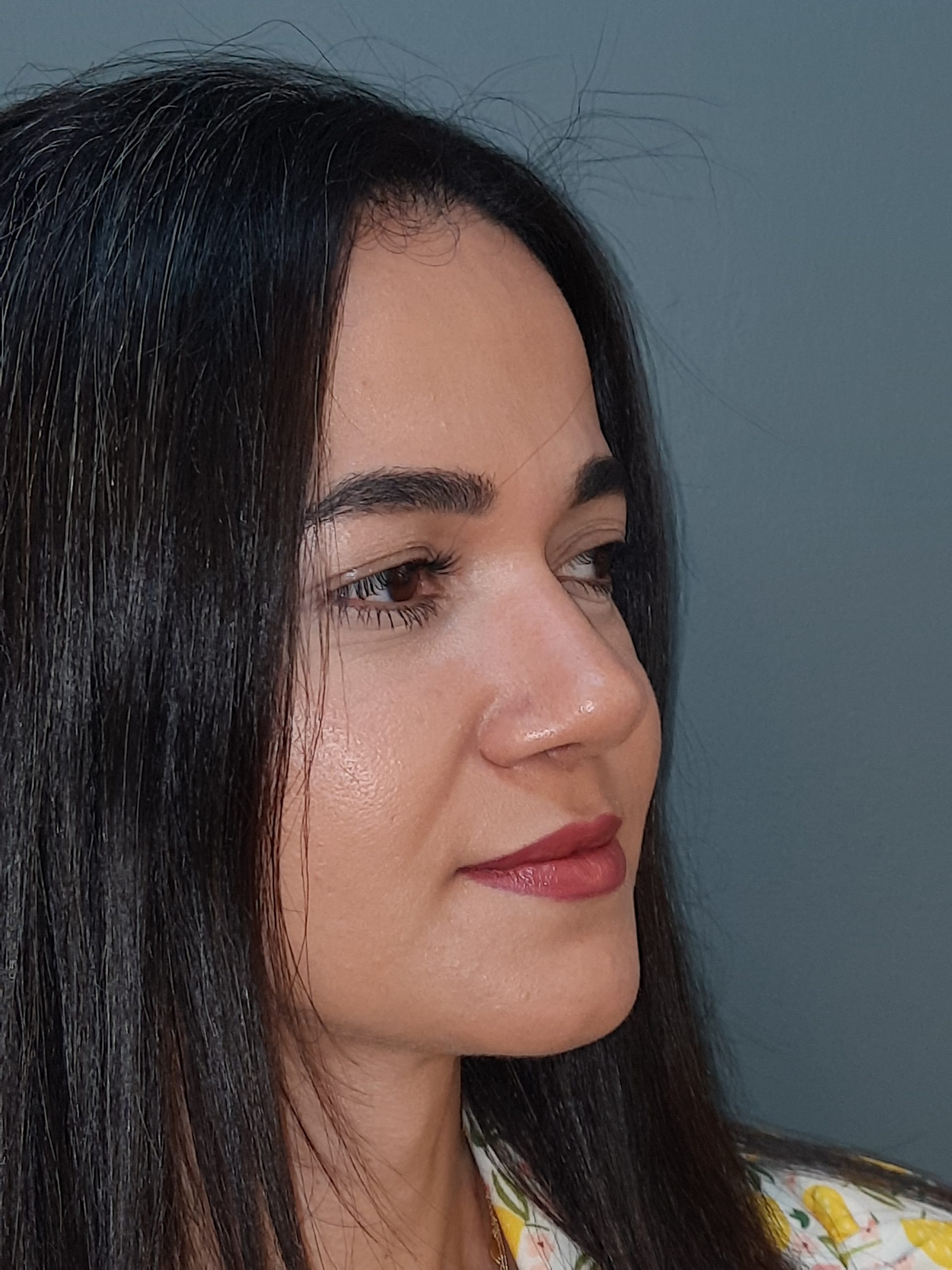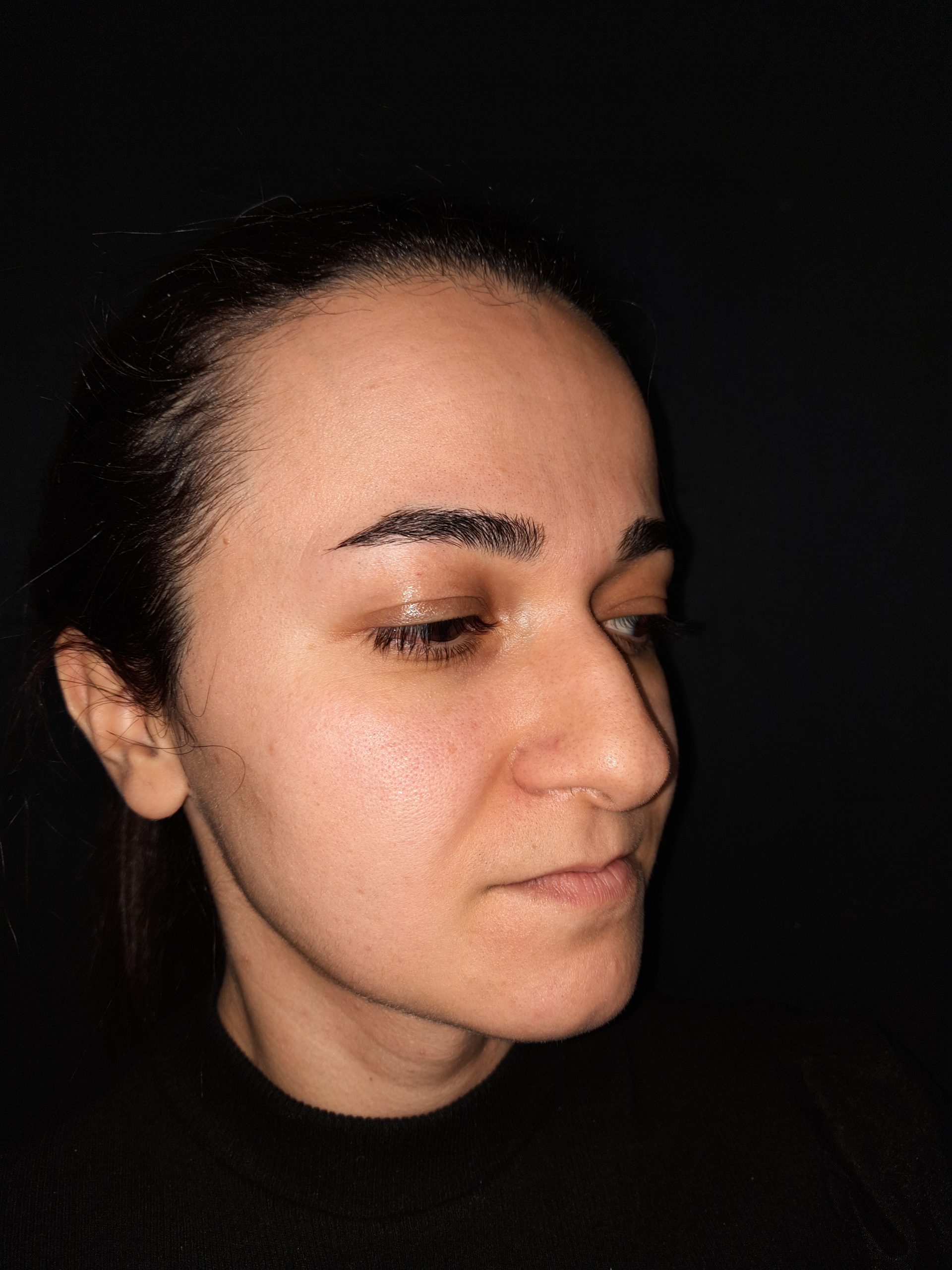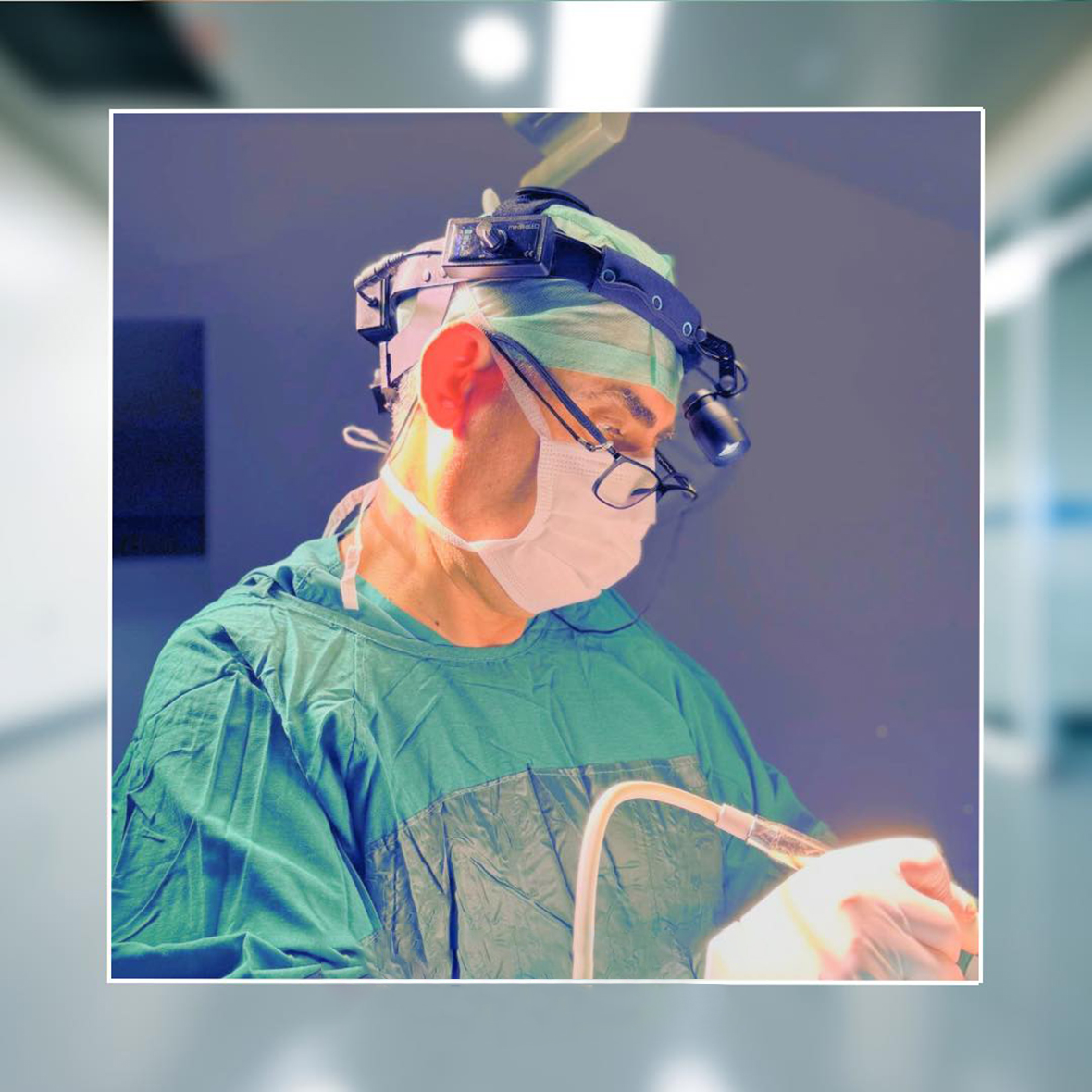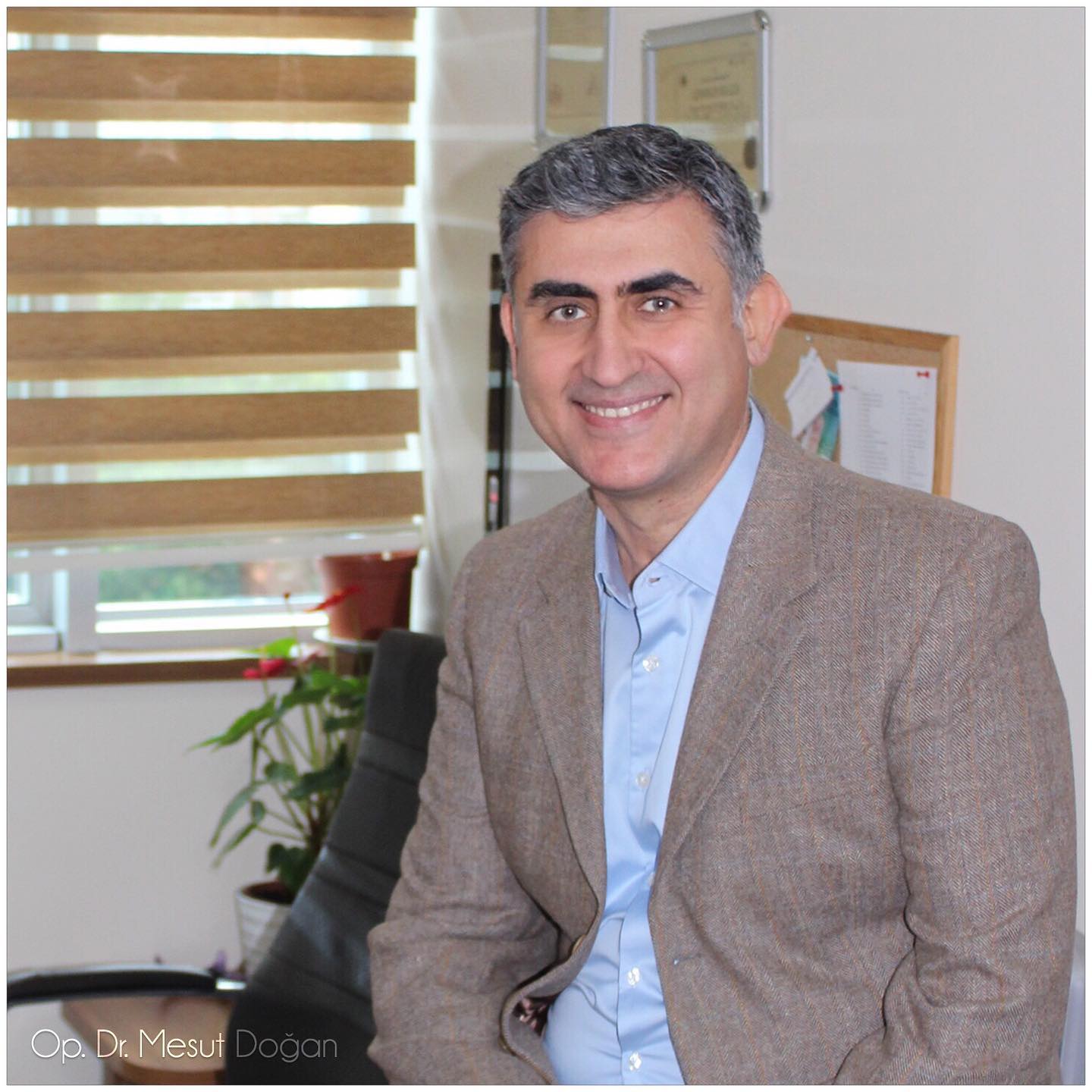
Dr. Mesut Dogan
Rhinoplasty Surgeon, Istanbul
5,000+ Procedures
20 Years Experience
Ultrasonic Piezo Technology
Fully Equipped Private Hospital in Istanbul
What Is Rhinoplasty?
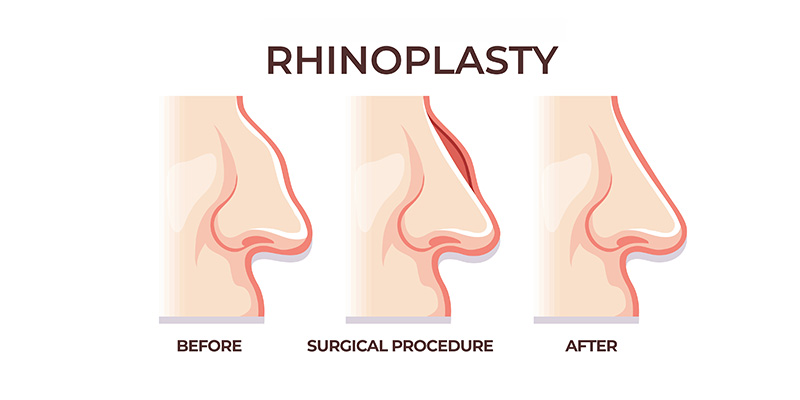
Rhinoplasty, commonly known as a nose job, is a surgical procedure that reshapes the nose for aesthetic refinement, functional correction, or both. The procedure involves modifying the underlying bone and cartilage framework of the nose, then redraping the skin over the new structure. Rhinoplasty can narrow or widen the nasal bridge, remove a dorsal hump, refine the tip, correct asymmetry, or repair structural problems that interfere with breathing.
The procedure sits at the intersection of two surgical goals that are frequently combined in a single operation. Cosmetic rhinoplasty addresses the external appearance of the nose. Functional rhinoplasty corrects internal structural problems, most commonly a deviated septum, that restrict normal airflow. Many patients who present primarily for aesthetic reasons are also found to have a functional component during assessment, and the two are often treated together.
For a detailed overview of nasal anatomy and the surgical principles behind rhinoplasty, the National Institutes of Health publishes a comprehensive clinical reference through its NCBI Bookshelf StatPearls article on rhinoplasty.
Why Turkey for Rhinoplasty
Turkey, and Istanbul specifically, has become one of the most established international destinations for rhinoplasty. According to the International Society of Aesthetic Plastic Surgery (ISAPS), rhinoplasty remains among the five most commonly performed surgical cosmetic procedures worldwide, with over one million procedures carried out annually. Turkey is consistently ranked among the leading global destinations for medical tourism in this category, alongside countries such as Colombia, Mexico, and Thailand.
1M+
Rhinoplasty procedures performed globally each year
60%
Of rhinoplasty patients are aged 18–34
5,000+
Procedures completed by Dr. Dogan
20
Years of surgical experience
The concentration of high case volumes in Istanbul is a meaningful factor in surgical outcomes. Surgeons who perform rhinoplasty at high frequency develop pattern recognition, technical refinement, and complication management skills that are difficult to replicate at lower volumes. Dr. Dogan’s 5,000+ completed procedures over 20 years reflect this depth of focused experience, spanning straightforward aesthetic refinements through complex revision cases.
Cost is a significant factor in the international popularity of Turkish rhinoplasty, but it is not the only one. Istanbul’s medical infrastructure includes internationally accredited hospitals operating to the same clinical protocols and safety standards as facilities in the UK and Western Europe, while surgical fees remain substantially lower due to differences in operational costs between countries.
Types of Rhinoplasty
Rhinoplasty is not a single standardised procedure. Different surgical techniques and approaches address different anatomical presentations, patient goals, and degrees of complexity. Below you will find a brief overview and detailed guide for each sub-category.
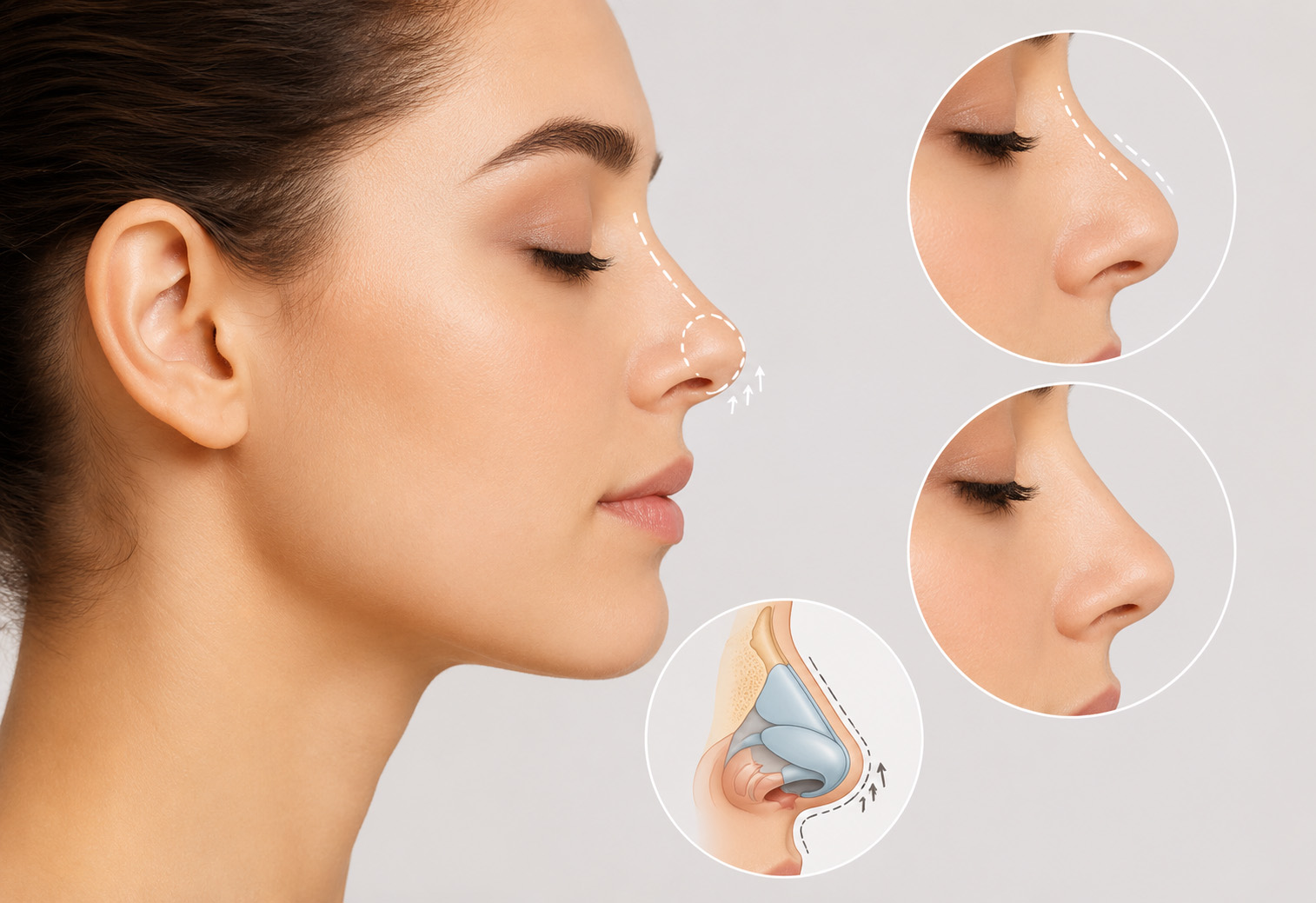
Tip Rhinoplasty
Targeted surgical intervention designed to reshape a drooping, wide, or poorly defined nasal tip in harmony with overall facial proportions.
Learn More

Piezo Rhinoplasty
Advanced surgery using ultrasonic vibration technology to precisely reshape nasal bones with minimal trauma to surrounding tissues and reduced swelling.
Learn More
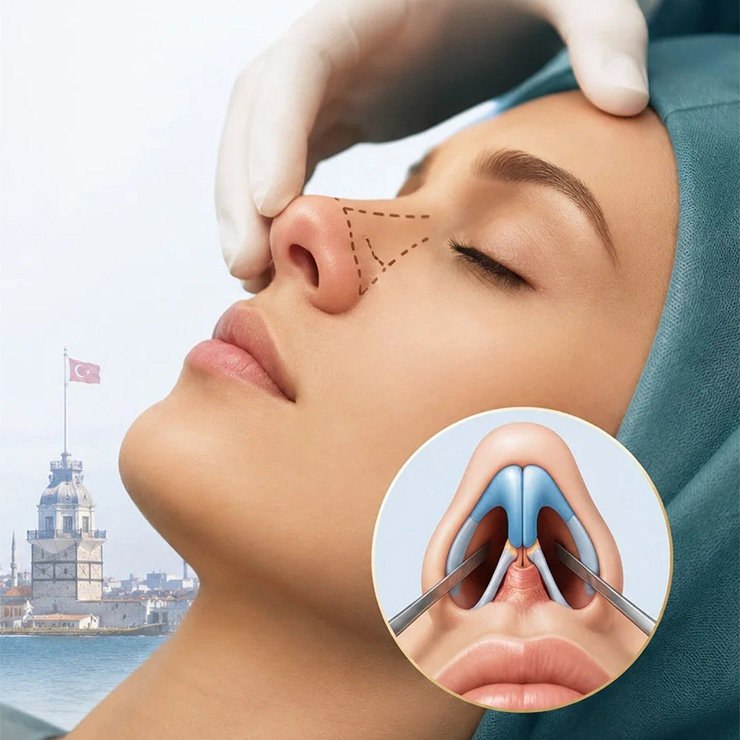
Open Rhinoplasty
Provides complete visualization of the nasal framework through a small columellar incision. Preferred for complex structural work and revision cases.
Learn More
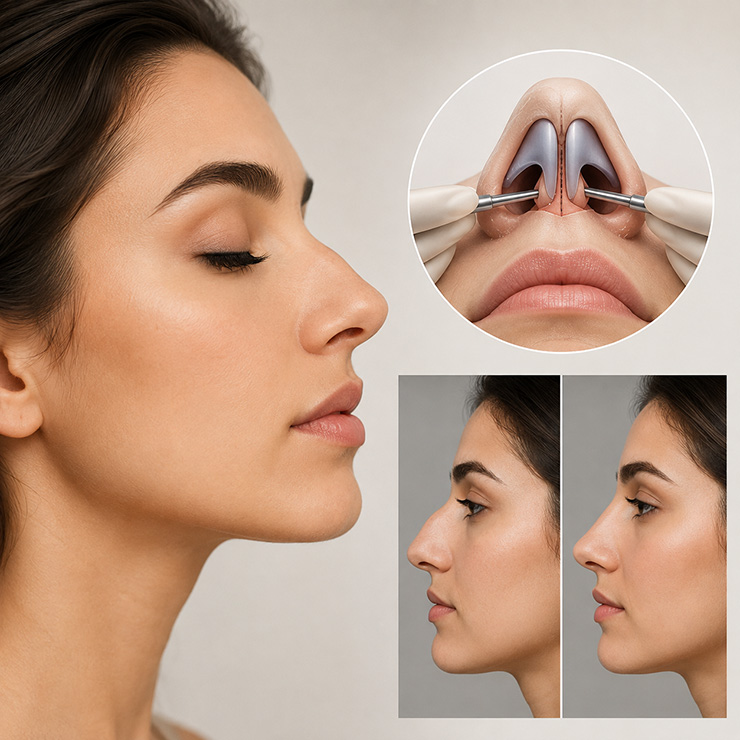
Closed Rhinoplasty
All incisions are made inside the nostrils with no external scar. Offers faster recovery for dorsal hump removal and moderate refinements.
Learn More
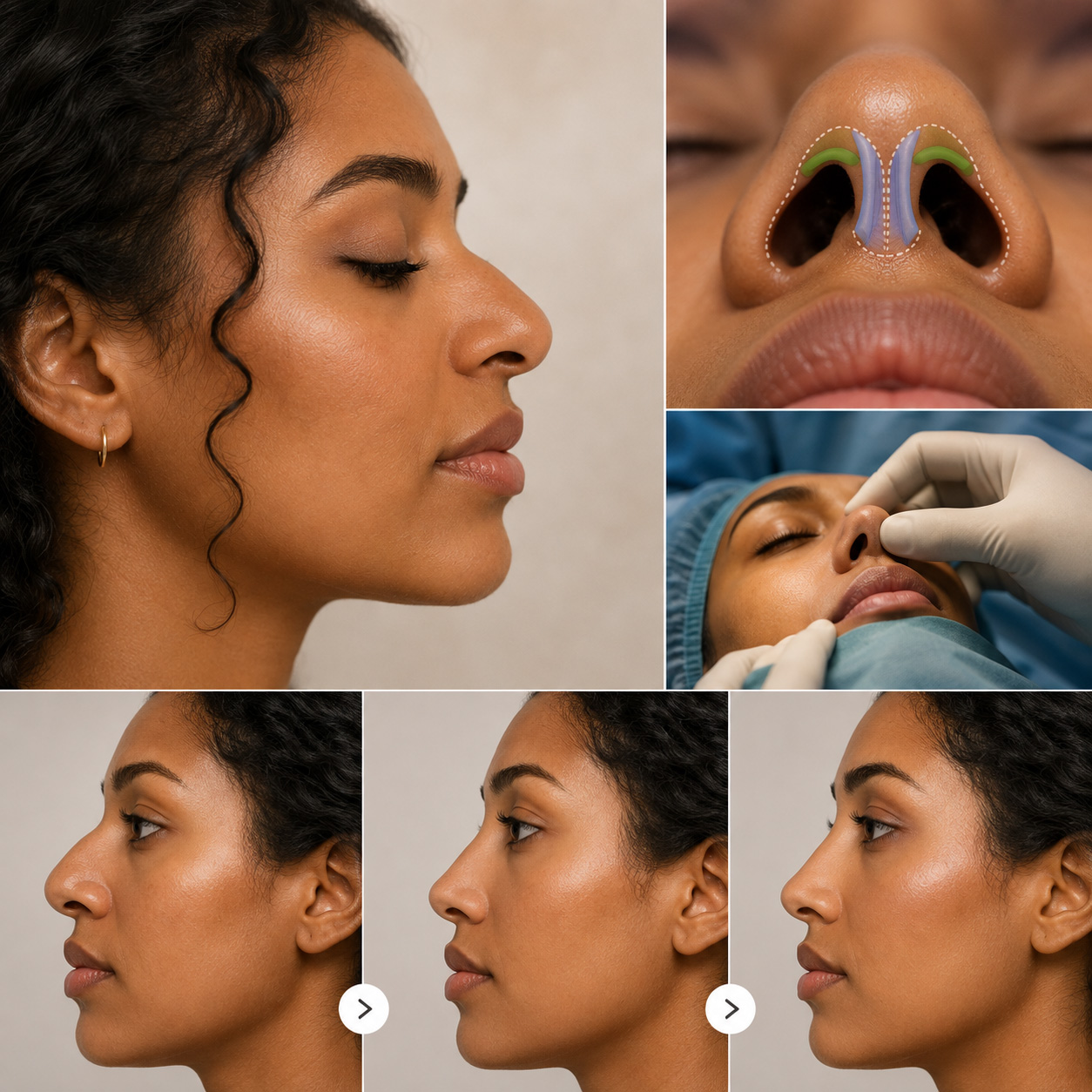
Ethnic Rhinoplasty
Tailored planning using the patient’s specific ethnic facial structure as reference, ensuring a natural result that retains cultural identity.
Learn More
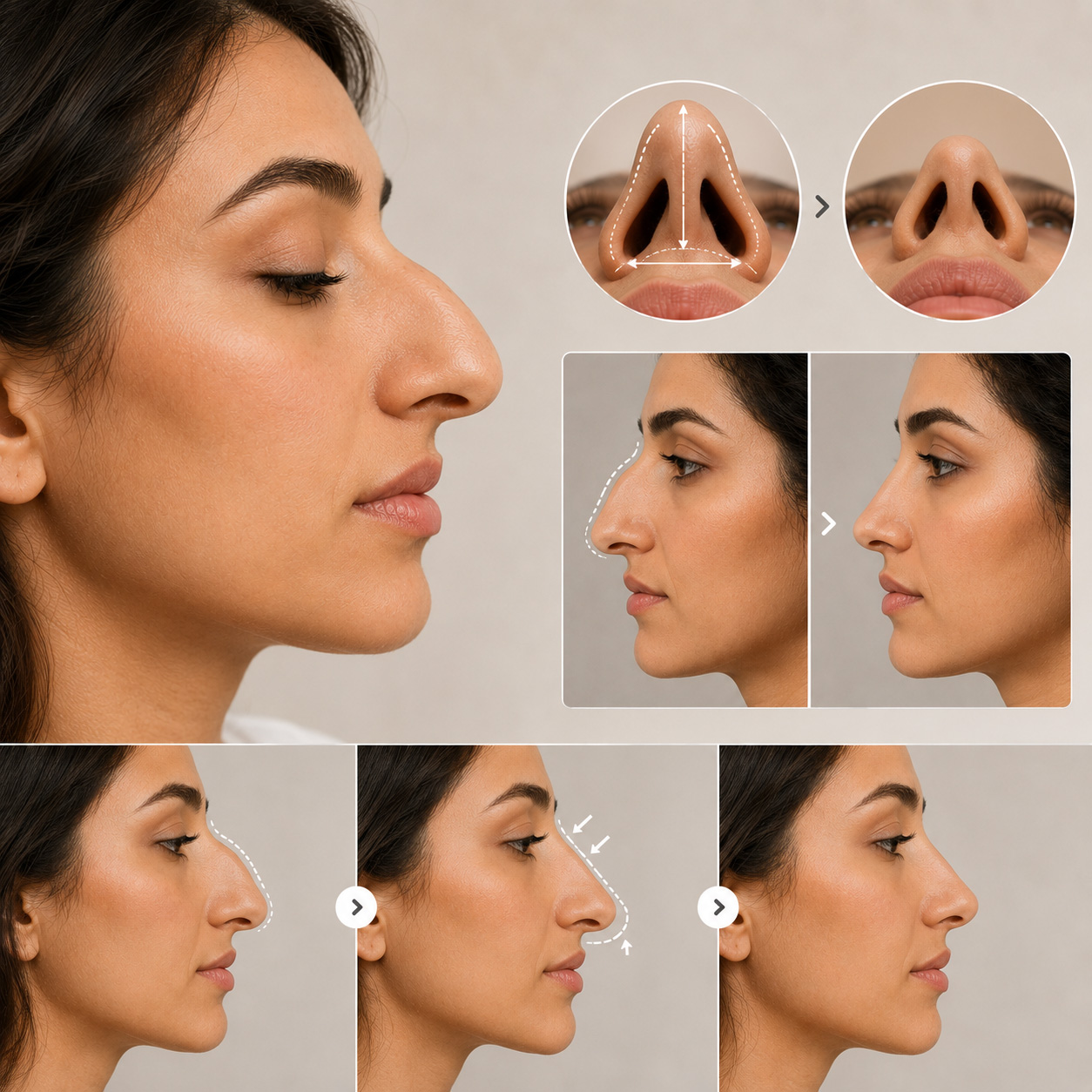
Large and Long Nose Surgery
Surgically resizes disproportionately large or long noses to match surrounding facial features naturally and harmoniously.
Learn More

Revision Rhinoplasty
Secondary surgery to correct or improve outcomes from a previous nose job. Requires specialized expertise due to altered anatomy.
Learn More
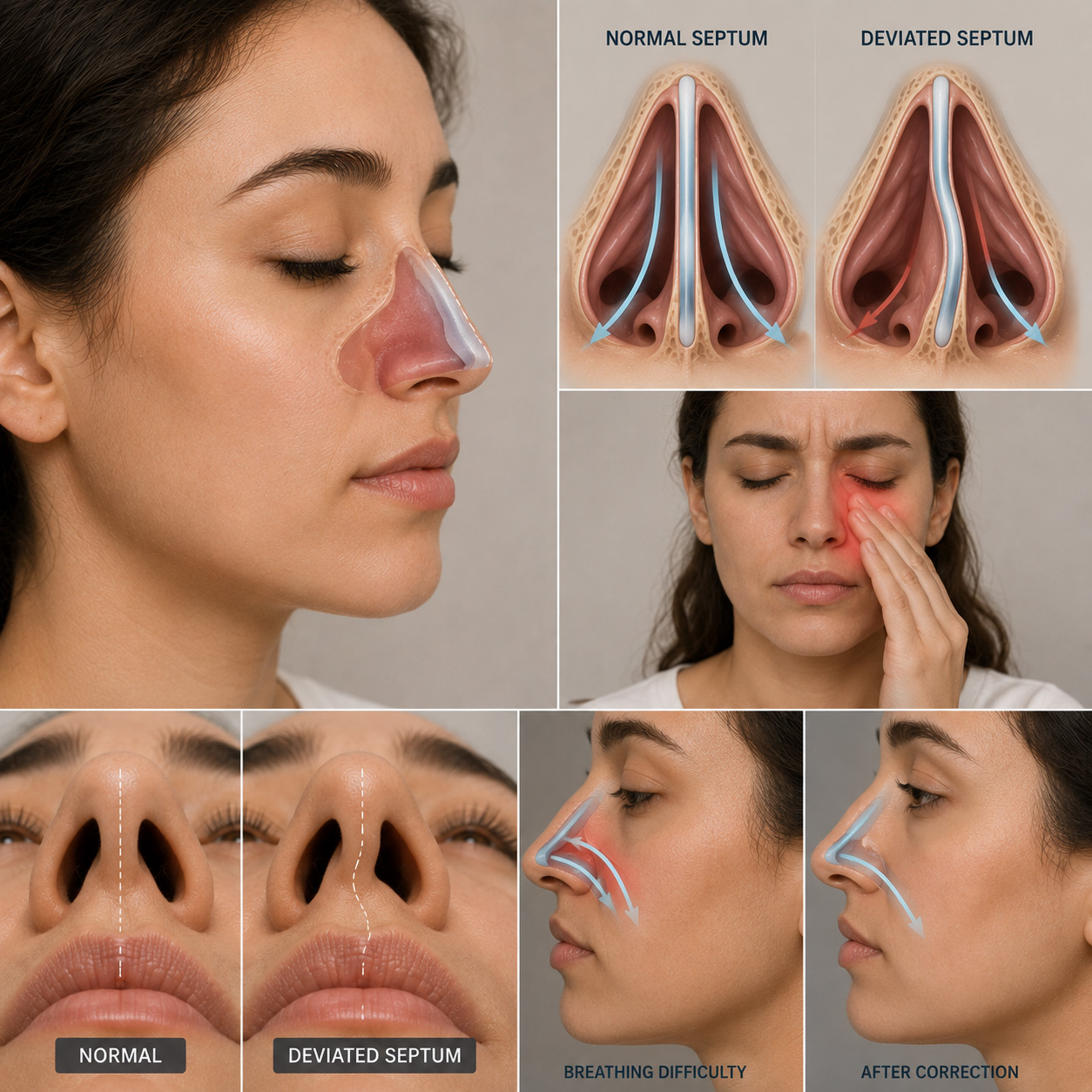
Deviated Septum Correction
Surgical alignment of a displaced nasal septum to permanently restore normal airflow and resolve structural nasal obstruction.
Learn More
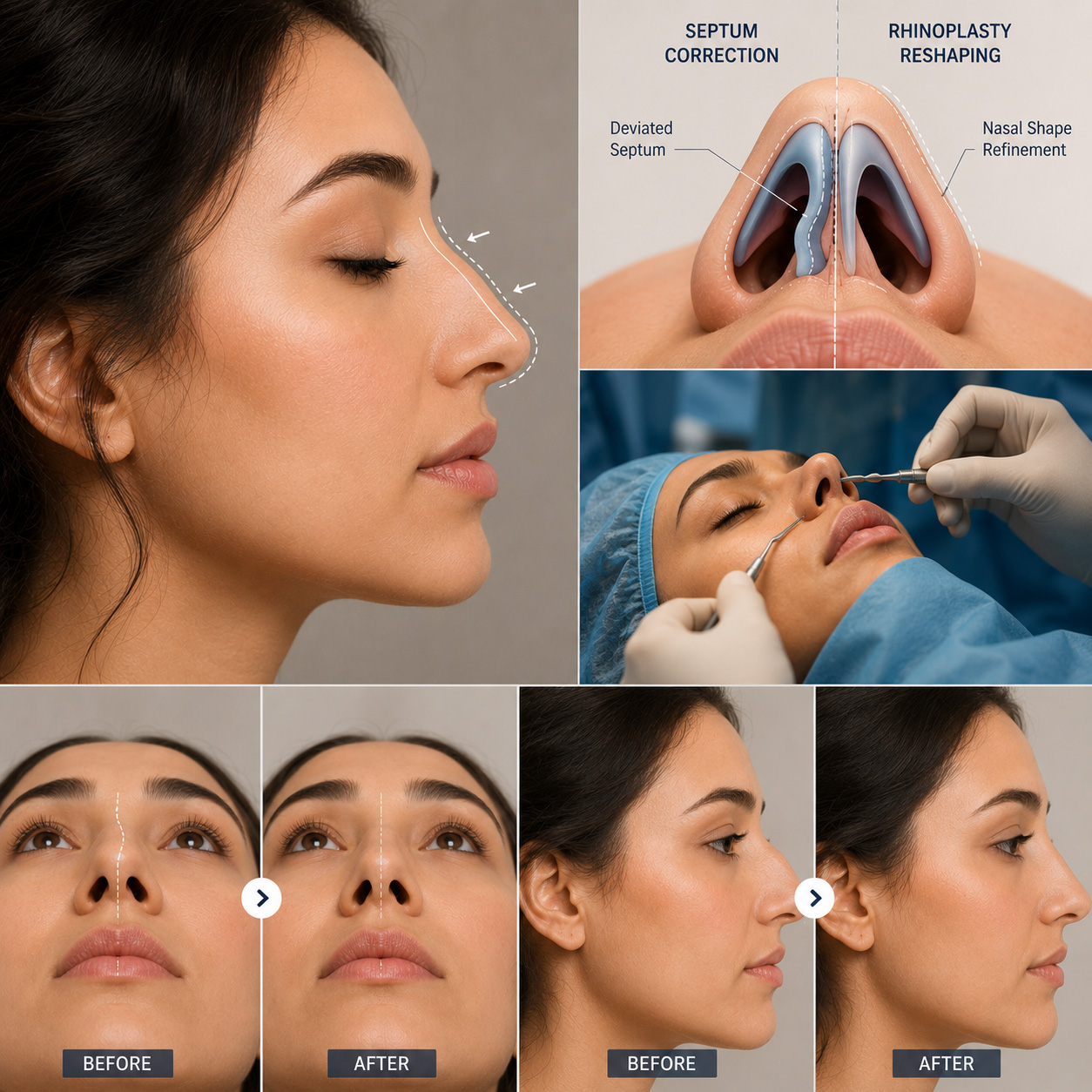
Septorhinoplasty
Combines internal septal correction with external aesthetic reshaping into a single operation for patients with dual concerns.
Learn More
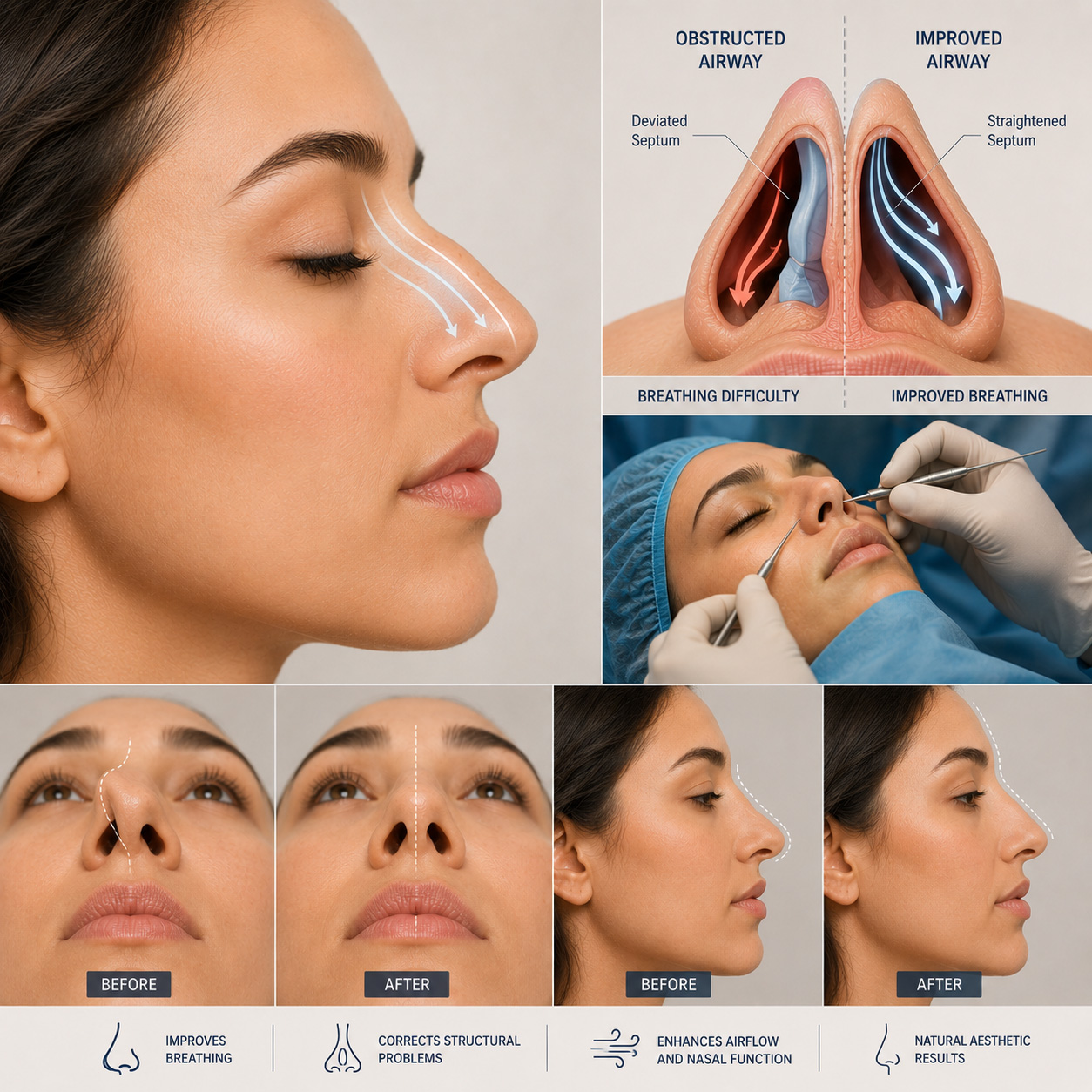
Functional Rhinoplasty
Addresses structural causes of chronic airway obstruction, including septal deviation, turbinate hypertrophy, and nasal valve collapse.
Learn More
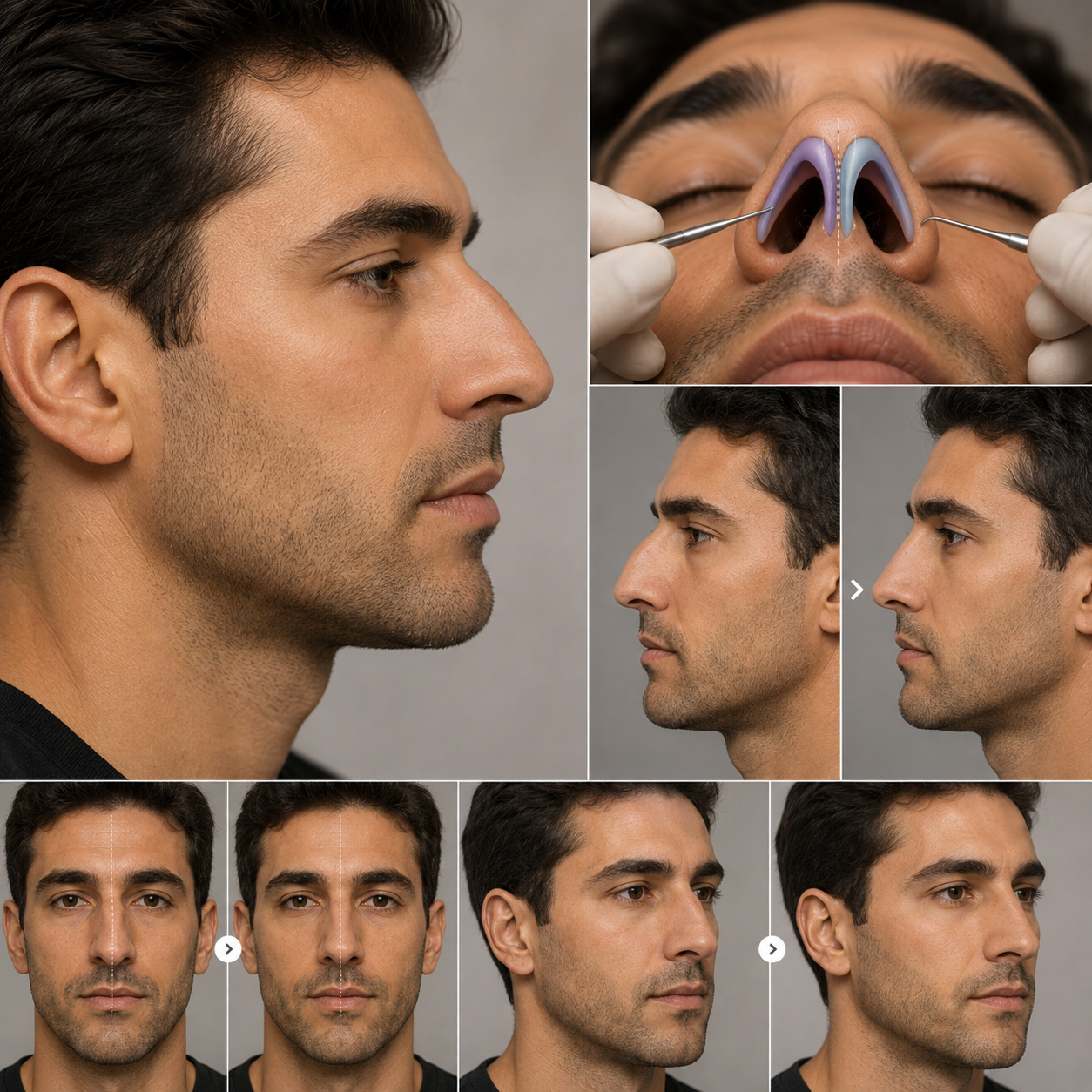
Male Rhinoplasty
Planned around masculine facial ratios and structural references, focusing on conservative, ratio-driven aesthetic refinements.
Learn More
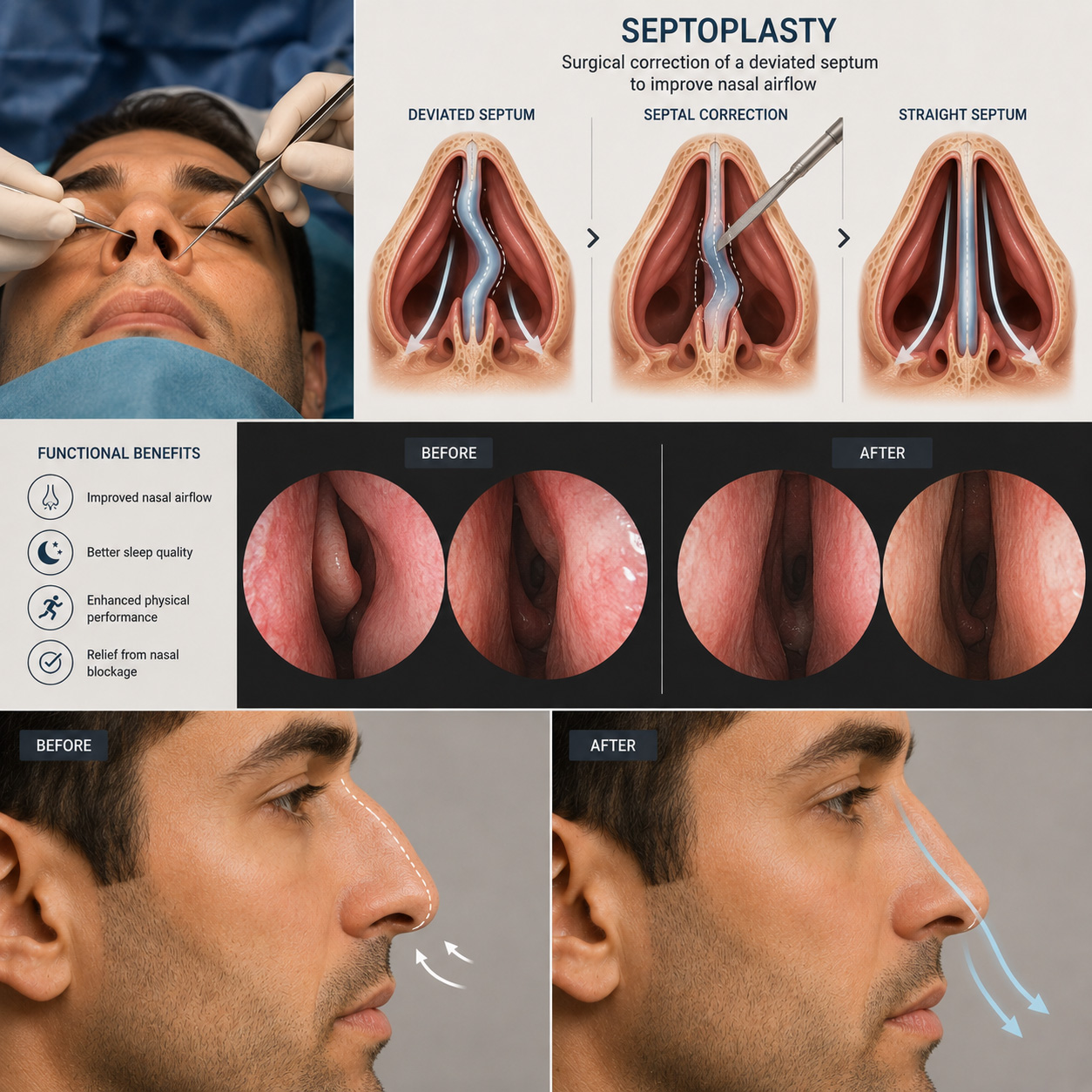
Septoplasti
Internal correction of a deviated septum to restore breathing and airflow without changing the external appearance of the nose.
Learn More
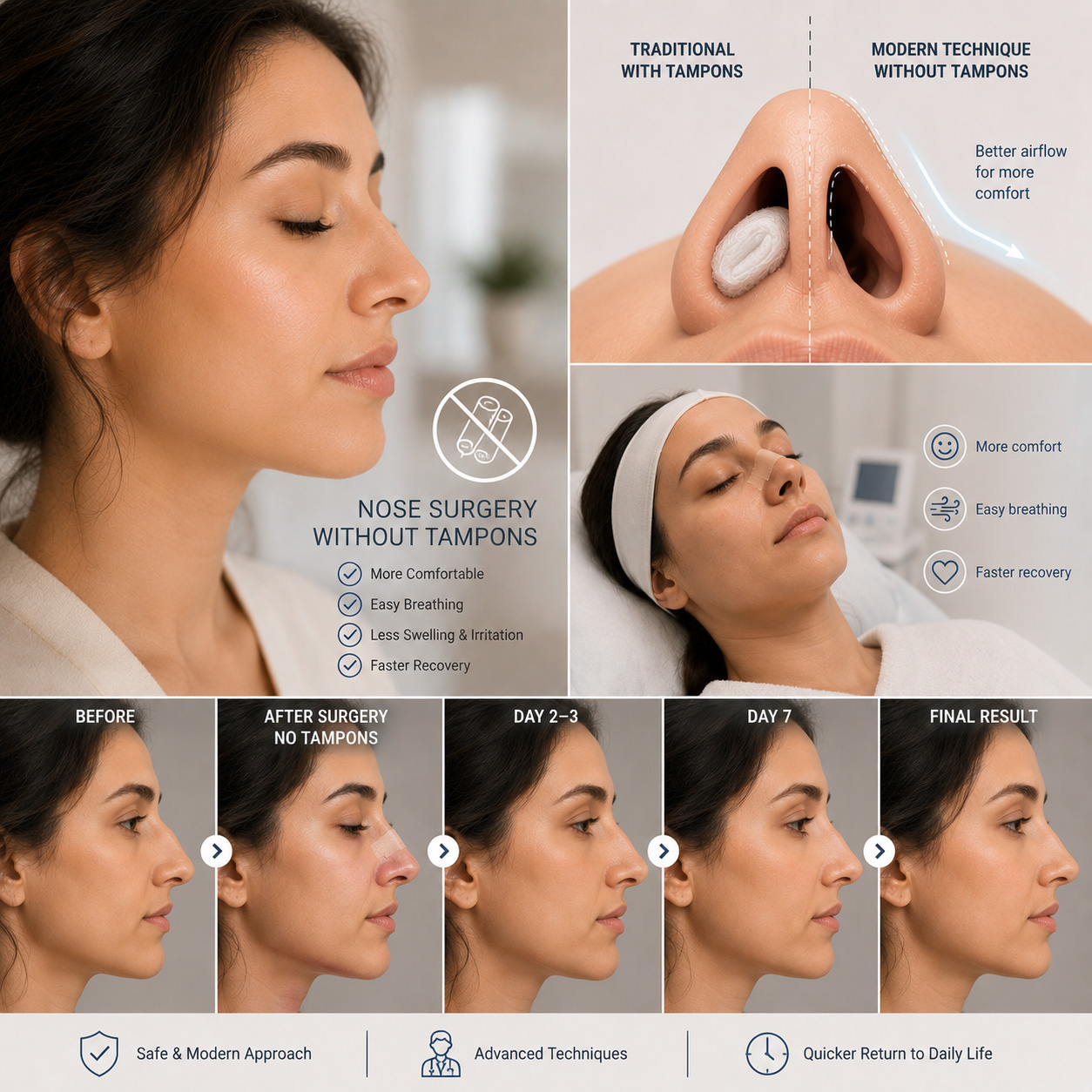
Packing-Free Rhinoplasty
Modern approach utilizing breathable silicone splints instead of traditional dense packing, allowing comfortable nasal breathing from night one.
Learn More
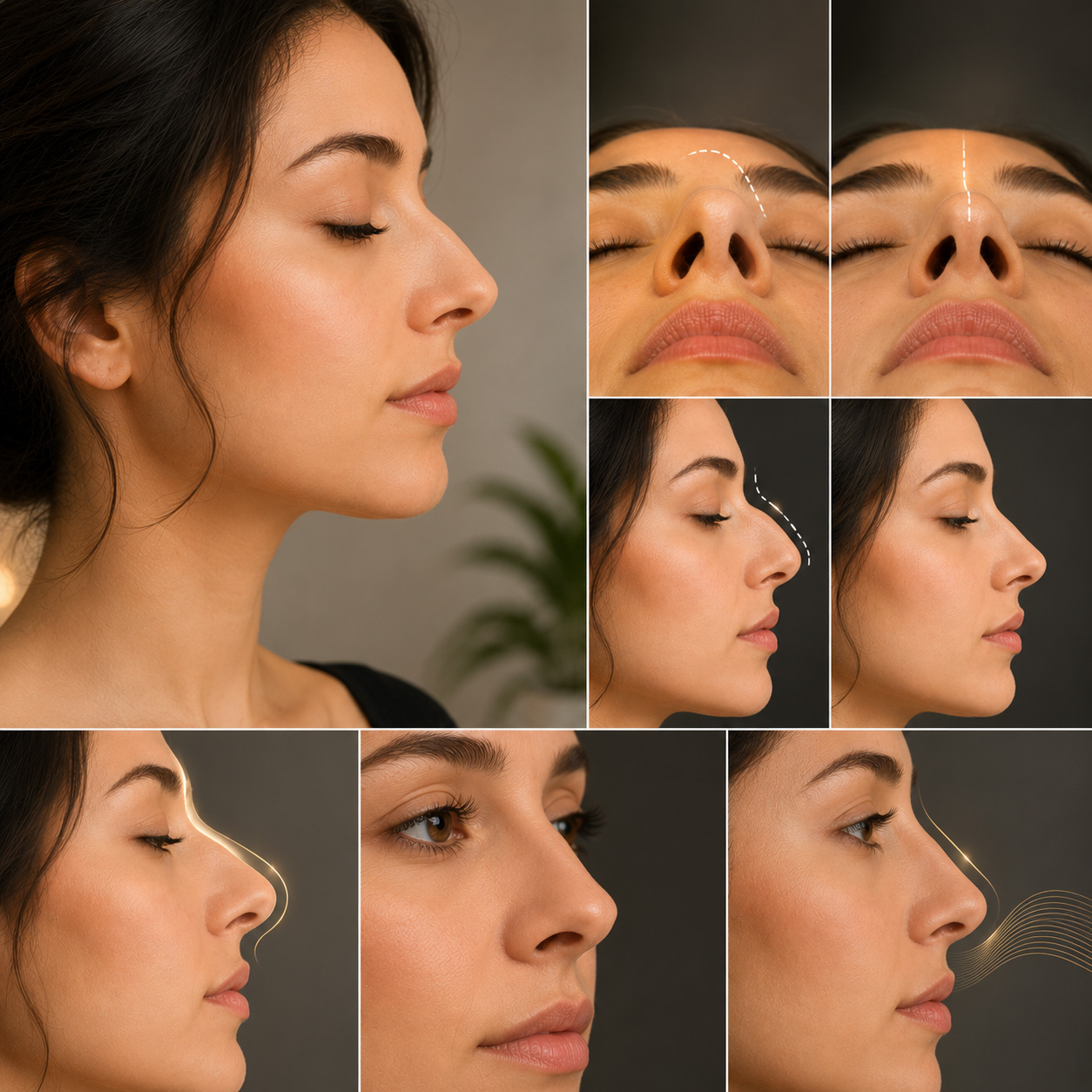
Crooked Nose Rhinoplasty
Corrects noses that deviate from the facial midline using precise osteotomies, septal repositioning, and cartilage grafting techniques.
Learn More
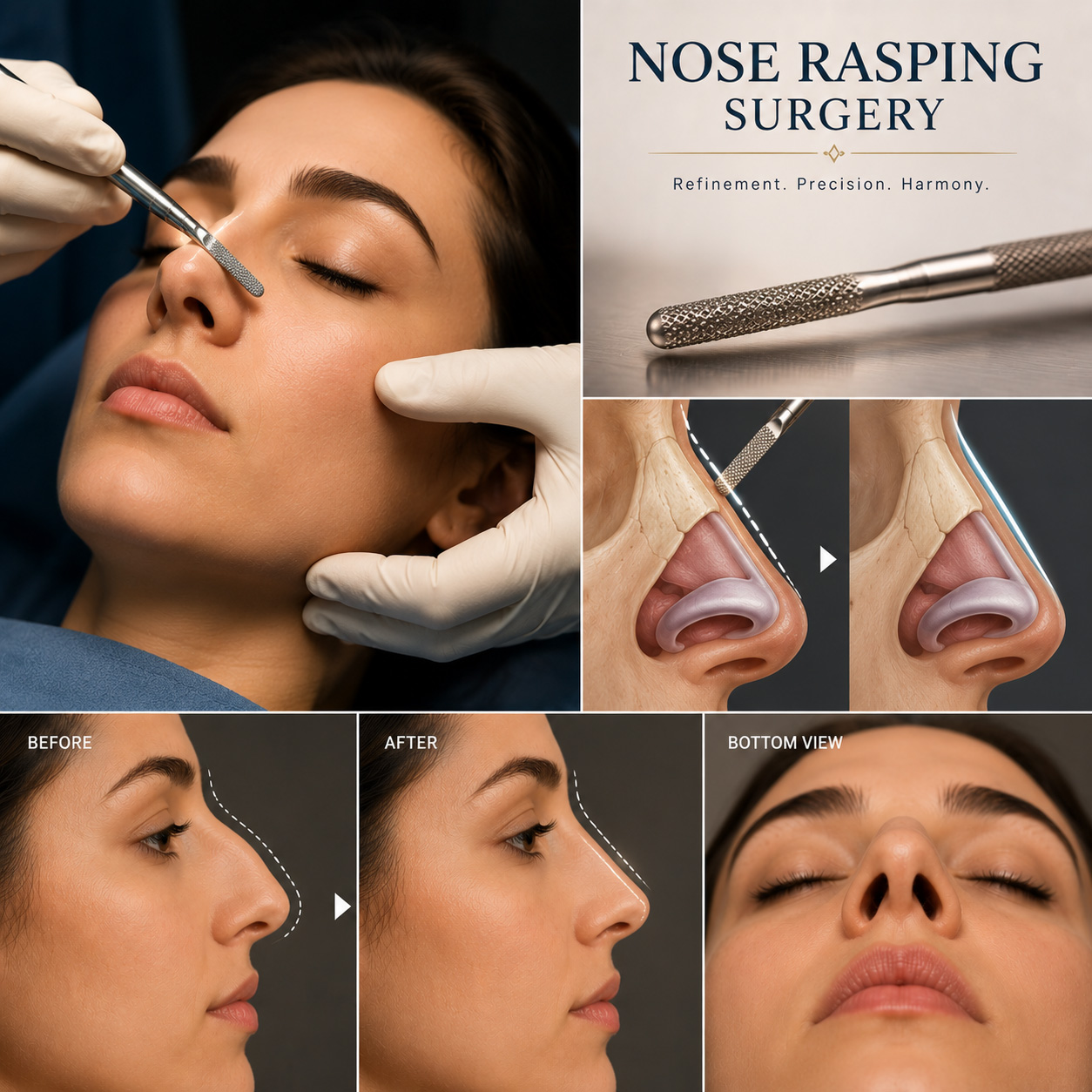
Nasal Hump Rasping
Precise smoothing and reduction of dorsal humps or surface irregularities using specialized surgical rasps or ultrasonic piezo tools.
Learn More
Natural Looking Rhinoplasty
Planning philosophy where surgical goals derive from the patient’s existing features, creating results that look inherently native to the face.
Learn More
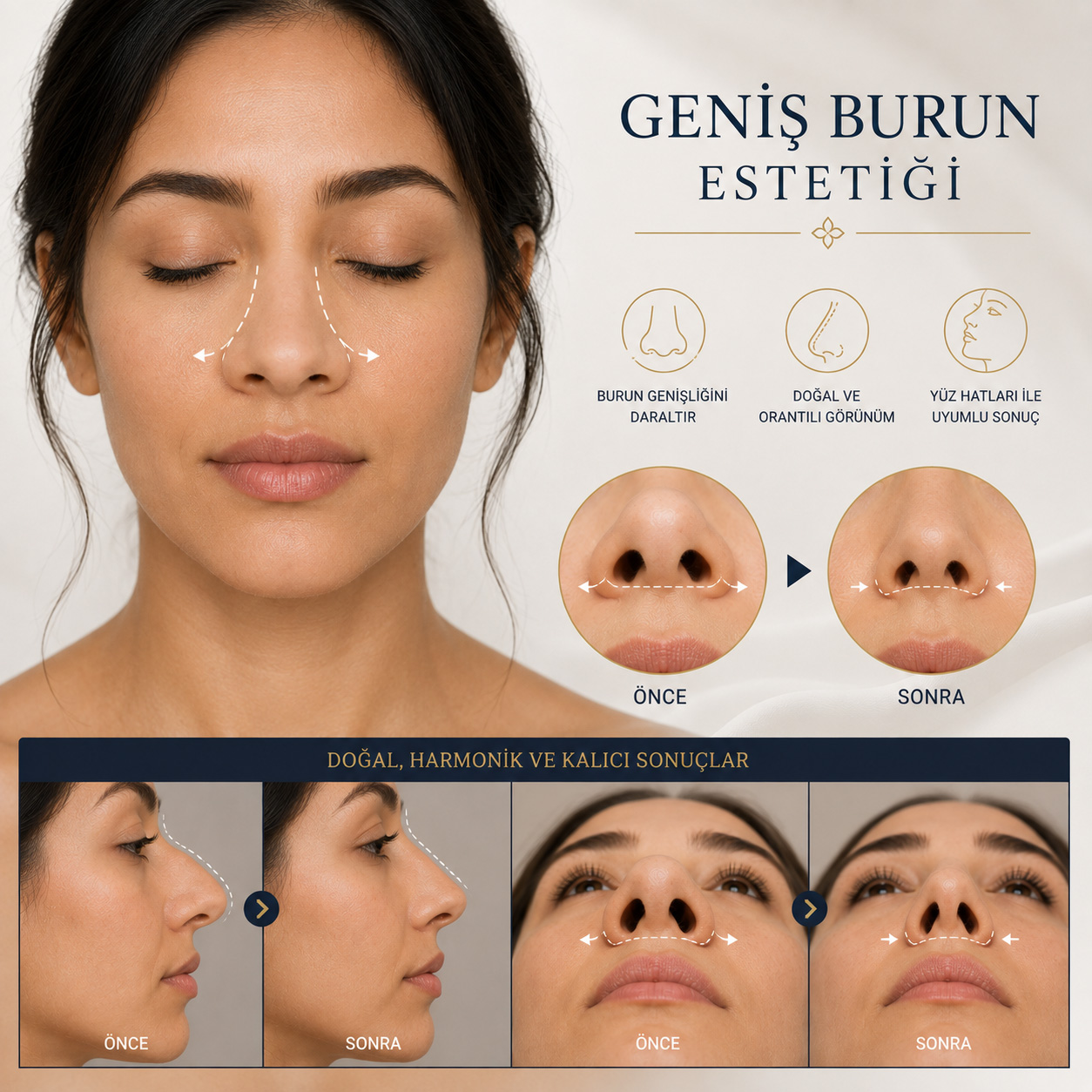
Wide Nose Rhinoplasty
Refines disproportionately wide nasal bridges, nostrils, or bases to enhance overall facial balance and aesthetic definition.
Learn More
⏱️
Surgery Duration
1.5–3.5 hrs
✈️
Total Istanbul Stay
5–7 Days
🔁
Final Result
12–18 Months
💼
Return to Work
7–10 Days
Rhinoplasty is performed under general anaesthesia at a fully equipped private hospital in Istanbul. Surgery duration typically ranges from one and a half to three and a half hours, depending on the scope of correction required and whether functional and aesthetic goals are being addressed together.
The surgeon accesses the nasal framework through either the closed technique, with incisions placed entirely within the nostrils, or the open technique, which adds a small incision across the columella to allow direct visualisation of the full nasal structure. The choice between these approaches is determined by the complexity of the case, not by surgeon preference alone. Detailed comparisons of each technique, including which cases are better suited to which approach, are covered on the dedicated Open Rhinoplasty and Closed Rhinoplasty pages linked above.
Once access is established, the surgeon reshapes the underlying cartilage and bone according to the surgical plan. This may involve removing a dorsal hump, repositioning and refining the tip cartilages, narrowing the nasal bones through controlled osteotomies, or placing structural cartilage grafts to add support or projection. Where functional correction is also required, the deviated septum is addressed at this stage, and turbinate reduction may be performed if indicated.
On completion, the skin is redraped over the refined structure, incisions are closed with fine sutures, and a nasal splint is applied externally. Internal support, where required, increasingly uses thin silicone splints rather than traditional dense packing, allowing most patients to breathe through the nose from the first post-operative night. Most patients are discharged from hospital the following morning.
Recovery Process After Rhinoplasty in Turkey
Recovery from rhinoplasty follows a broadly predictable timeline, though the extent of swelling and the pace of visible change vary depending on the scope of surgery and individual healing characteristics. Swelling and bruising around the eyes and nose are most pronounced in the first 48 to 72 hours and begin resolving steadily afterward.
The external nasal splint is typically removed five to seven days after surgery, at which point the new nasal shape becomes visible for the first time, although residual swelling remains. Most patients return to desk-based work within seven to ten days. Visible bruising generally resolves within two to three weeks, and patients are cleared to resume exercise around the six-week mark.
Final results take longer to fully emerge than most patients expect. Residual swelling, particularly at the nasal tip, can take twelve to eighteen months to resolve completely, with the rate of change slowing progressively over that period. Patients with thicker nasal skin typically experience a longer timeline for the final result to become fully apparent, as the skin requires more time to conform to the refined cartilage framework beneath it.
Recovery guides
Rhinoplasty Recovery: Questions Patients Ask Most
Detailed answers to help you through each stage of healing after rhinoplasty.
Is It Safe to Have Rhinoplasty in Turkey?
The safety of rhinoplasty, in Turkey or anywhere else, depends primarily on three factors: the qualifications and experience of the surgeon, the accreditation and standards of the surgical facility, and the thoroughness of pre-operative assessment and post-operative care. Istanbul’s leading hospitals, including the fully equipped private hospital where Dr. Dogan operates, work to internationally recognised clinical and safety standards comparable to UK and European private healthcare facilities.
As with any surgical procedure, rhinoplasty carries inherent risks. The most common early complications include bleeding and infection, both of which are manageable with standard surgical and post-operative protocols. Less common but more significant complications can include septal perforation or aesthetic irregularities such as tip asymmetry, which may require secondary correction. Comprehensive, peer-reviewed information on rhinoplasty complications and their management is available through the NIH’s clinical reference on rhinoplasty.
Bleeding
The most common early complication. Minor bleeding is normal in the first 24 to 48 hours and resolves with standard post-operative care.
Infection
Uncommon at accredited facilities following sterile surgical protocols. Managed with antibiotics when it occurs.
Septal perforation
A rare structural complication that can occur during internal manipulation of the septum. Requires specific surgical technique to avoid.
Aesthetic irregularities
Asymmetry or contour irregularities can occur, particularly in complex or revision cases, and may require secondary correction.
Selecting a surgeon with a substantial, documented case history and a facility with recognised accreditation are the most reliable ways to minimise these risks. Dr. Dogan’s pre-operative assessment includes a thorough evaluation of nasal anatomy, skin characteristics, and any functional concerns before a surgical plan is finalised.
Have questions about your specific case?
Get in touch to discuss your goals and anatomy.
Contact Us