


Why Can’t I Breathe Through My Nose After Rhinoplasty?

A blocked nose after rhinoplasty is very common and usually temporary, so not being able to breathe through your nose in the first weeks is expected. In the first weeks, swelling inside the nose, dried blood, crusting and any internal splints narrow the airway. As the internal swelling settles over the following weeks and months, breathing normally improves. This guide explains why your nose feels blocked, how long it lasts and when to seek advice.
For the full healing picture, see our rhinoplasty recovery timeline. For the procedure itself, visit our main rhinoplasty in Turkey page.
- A blocked nose after rhinoplasty is expected, especially in the first two to three weeks.
- Internal swelling, crusts and mucus are the usual causes.
- Gentle saline sprays and keeping your head raised help; blowing your nose does not.
- Breathing usually keeps improving for several months as swelling settles.
Why Can’t I Breathe Through My Nose After Rhinoplasty?
Internal swelling
The lining inside the nose swells after surgery, just like the outside. Because the airway is narrow, even a little swelling makes a big difference to airflow.
Crusts and dried blood
Small amounts of blood and mucus dry inside the nose in the first weeks and can block the airway until they soften and clear.
Internal splints
If thin silicone splints are used to support the septum, they take up a little space until they are removed, although most patients can still breathe through them.
Mucus
The nose produces more mucus as it heals, which can make it feel stuffy or runny.
How Long Does a Blocked Nose Last After Rhinoplasty?
| Time after surgery | Typical breathing |
|---|---|
| First week | Often noticeably blocked; breathing through the mouth at night is common. |
| Weeks 2 to 3 | Gradual improvement as crusts clear and splints are removed. |
| Weeks 4 to 8 | Most people breathe much more comfortably, with occasional stuffiness. |
| Months 3 to 6 | Internal swelling continues to settle and airflow keeps improving. |
If your rhinoplasty included correcting a deviated septum, breathing often ends up better than before surgery once swelling has settled. Read more about septorhinoplasty and functional rhinoplasty.
Will I Have Packing in My Nose?
Traditional dense nasal packing made the first days after rhinoplasty very uncomfortable. Today, thin silicone splints are increasingly used instead, allowing most patients to breathe through the nose from the first night. Read more about packing-free rhinoplasty.
Have breathing problems as well as cosmetic concerns?
Both can often be addressed in one operation. Discuss it in London.How to Breathe Easier After Rhinoplasty
- Use saline spray as your surgeon recommends, to soften crusts and keep the lining moist.
- Keep your head raised while resting and sleeping.
- Use a humidifier in your bedroom if the air is dry.
- Drink plenty of water.
- Use lip balm, since you may breathe through your mouth more than usual.
- Clean gently around the nostrils as instructed. See how to clean your nose after rhinoplasty.
What Not to Do When Your Nose Feels Blocked
- Do not blow your nose until your surgeon says it is safe.
- Do not pick at or pull out crusts.
- Do not push cotton buds deep into the nose.
- Do not use decongestant sprays unless your surgeon has advised them, as some cause rebound congestion with repeated use.
- If you need to sneeze, sneeze with your mouth open.
When Should You Seek Advice?
- breathing gets worse rather than better after the first couple of weeks;
- one side is completely and painfully blocked;
- you have increasing pain, a fever or unusual discharge;
- breathing is still clearly worse than before surgery after several months.
For any sudden difficulty breathing, seek urgent medical help.
Frequently Asked Questions
Is it normal not to be able to breathe through my nose after rhinoplasty?
How long after rhinoplasty can I breathe normally?
When can I blow my nose after rhinoplasty?
Why does one side of my nose feel more blocked?
Can rhinoplasty improve my breathing?
Breathe better, look natural
Find out whether your breathing can be improved at the same time.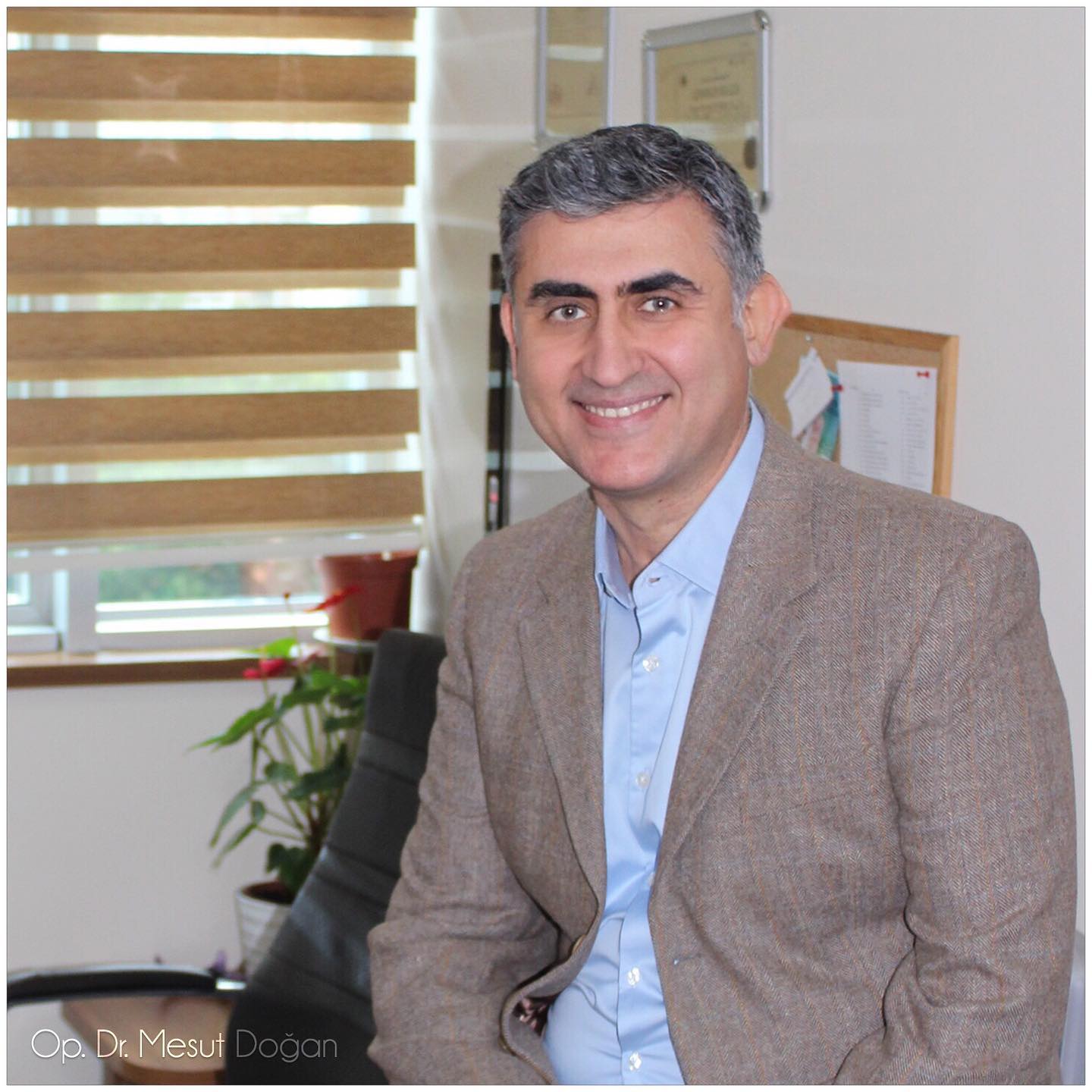
Dr. Dogan sees UK patients for consultations and follow-up in London and performs rhinoplasty at a fully equipped private hospital in Istanbul. Read his biography.
This article is for general information only and is not a substitute for medical advice. Always follow the aftercare instructions given by your surgeon.
