


Nose Rasping Surgery in Turkey
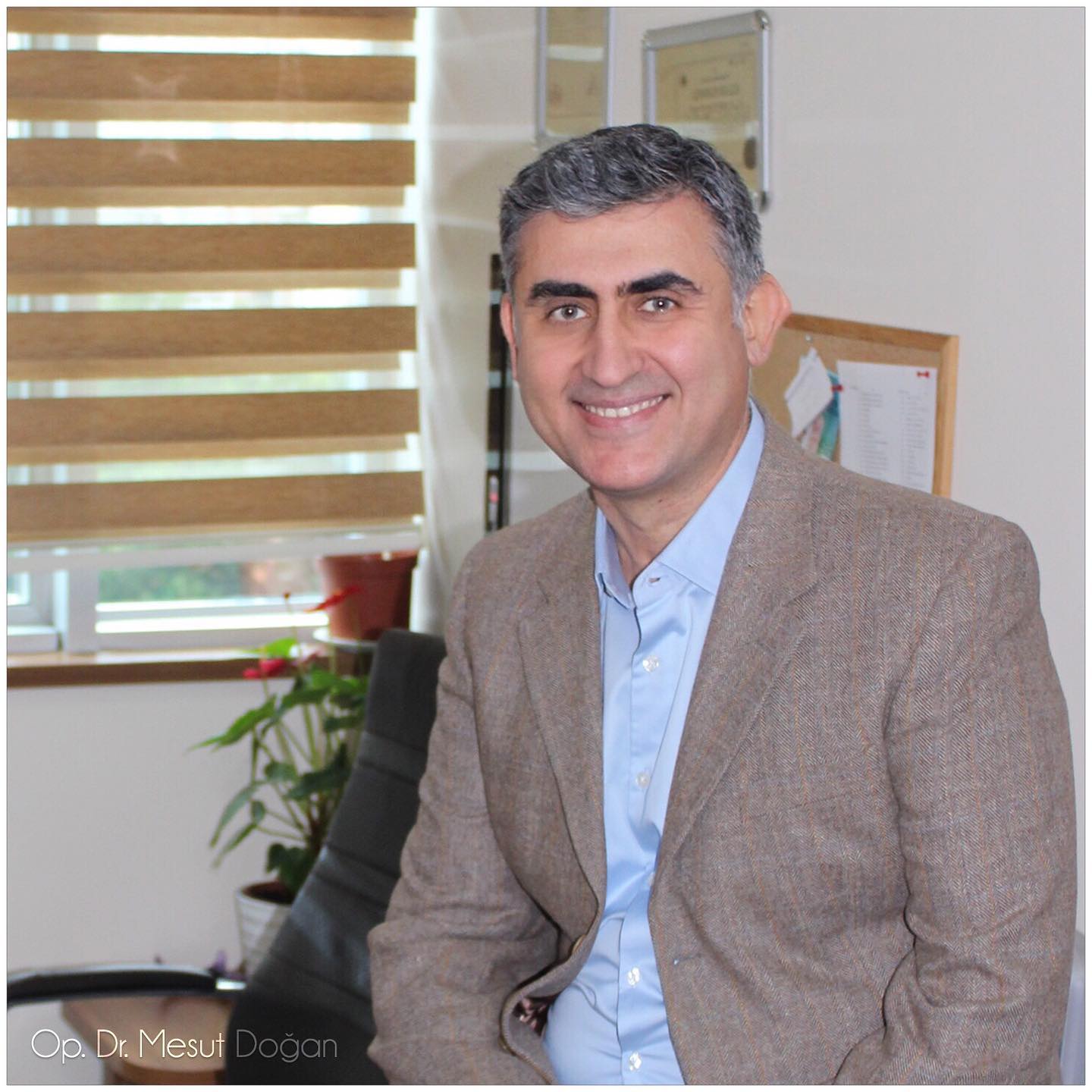
Performed by Dr. Mesut Doğan at a fully-equipped private hospital in Istanbul.
What Is Nose Rasping Surgery?
Nose rasping surgery is a surgical technique used to smooth and refine the surface of the nasal bone and dorsal cartilage. It is not a standalone procedure in its own right, but a specific operative technique applied within rhinoplasty. It is the preferred approach in cases where surface contouring of the nasal dorsum is required without the need for full osteotomies — controlled repositioning of the nasal bone pyramid.
The principle is straightforward: a surgical rasp, which has a textured surface similar to a fine file, is used to remove material from the nasal bone or cartilage in thin, controlled layers. The result is a smoothed nasal dorsum contour that integrates naturally with the surrounding structures. Unlike osteotomy, rasping does not alter the structural position of the nasal bone pyramid; it refines the surface rather than shifting the base. For an overview of all rhinoplasty techniques, visit our Rhinoplasty in Turkey page.
When Is Nose Rasping Surgery Used?
Nose rasping is indicated in cases where the correction required is at the surface level rather than a structural repositioning. It is a precise, less invasive option for specific presentations.
Small dorsal humps, irregularities, or surface discontinuities that can be addressed through surface smoothing. Particularly effective for minor residual irregularities following a previous rhinoplasty.
For moderate humps that do not require osteotomy, rasping offers a less invasive and efficient alternative without needing to fully mobilise the nasal bone pyramid.
Minor surface irregularities remaining after a primary rhinoplasty can often be addressed with rasping without requiring a full revision procedure.
When a hump, once reduced, leaves a significant open roof deformity, osteotomies are required to narrow and close the nasal bone pyramid. Rasping alone is insufficient in these cases.
Rasping vs. Osteotomy
| Nose Rasping | Osteotomy | |
|---|---|---|
| Principle | Gradual removal of bone or cartilage surface | Controlled fracture and repositioning of the nasal bone pyramid |
| Structural change | Surface contour change only; position unchanged | Positional change of the nasal bone pyramid |
| Tissue trauma | Less; limited preparation required | More; greater post-operative swelling and bruising |
| Indication | Small humps, surface irregularities | Large humps, nasal narrowing, crooked nose |
| Combination | Frequently used as a fine-tuning step after osteotomy | Can be complemented by rasping |
Relationship with Piezo Ultrasonic Technology
Piezo ultrasonic technology has complemented and in some areas superseded traditional rasping. Piezo devices use high-frequency ultrasonic vibrations to selectively cut and smooth bone without damaging surrounding soft tissue, cartilage, or blood vessels. This provides a level of precision in controlled bone shaping that traditional rasps cannot match.
Cuts bone only; preserves delicate soft tissue, cartilage, and blood vessels. Comparable or reduced tissue trauma compared to traditional rasping.
A level of controlled bone shaping that is difficult to achieve with conventional rasps, particularly in complex contours.
Less tissue trauma results in significantly reduced post-operative swelling and bruising compared to mechanical instruments.
Piezo and classical rasping are not mutually exclusive. Both can be used within the same procedure; Piezo for bone shaping, the rasp for cartilage smoothing.
Would you like to learn more about piezo ultrasonic technology?
Ultrasonic Piezo RhinoplastyWould you like to know whether nose rasping is the right approach for you?
Book a one-to-one consultation with Dr. Doğan.The Surgical Process
Nose rasping is performed under general anaesthesia at a fully-equipped private hospital in Istanbul, as part of a rhinoplasty procedure. Cases involving isolated surface refinement are generally shorter in duration. When combined with osteotomies and broader corrections, the total operative time depends on the additional procedures planned.
For isolated surface refinement, closed technique access is often sufficient. When combined with osteotomies or broader corrections, open technique is preferred for the necessary visualisation and control. The operative plan, including technique, access, and combination with other procedures, is determined at consultation. Most patients are discharged the following morning.
Recovery
Recovery following nose rasping surgery follows the general rhinoplasty timeline. In cases involving isolated rasping without osteotomies, initial swelling is typically less pronounced and the early recovery phase somewhat shorter.
1–3
In isolated rasping cases without osteotomies, swelling is generally less marked than after full rhinoplasty with bone work.
1
The external cast is removed on day 6 or 7. The refined dorsal contour becomes visible for the first time. Return to desk work is typically possible between days 7 and 10.
Weeks
Physical activity can be resumed with appropriate precautions. The nasal contour at this stage is close to the final result.
Months
In isolated rasping cases without extensive soft tissue preparation, the final result may emerge earlier than after full rhinoplasty. Structural changes are permanent.
Surgeon’s Perspective
Nose rasping is occasionally presented as a technique that has been superseded by piezo ultrasonic technology. That is an oversimplification. Rasping and piezo are complementary tools, not competing ones. Piezo is excellent for osteotomies and bone positional work. Classical rasping remains a valuable instrument for cartilage surface work and minor bone irregularities where mechanical control and tactile feedback are important — areas where it continues to perform reliably.
In modern rhinoplasty, combining different techniques within the same procedure is the standard rather than the exception. Selecting the most appropriate tool for each structure — rasping, piezo, or both — is what a well-planned rhinoplasty looks like. The technique is chosen by what the anatomy requires, not by what sounds most current.
Is Nose Rasping Surgery Safe?
Nose rasping surgery is performed at a fully-equipped private hospital in Istanbul to clinical standards comparable with private hospitals in Western Europe. In experienced hands, rasping is a well-established technique with predictable outcomes and a low complication profile. Pre-operative consultation includes a detailed assessment of nasal anatomy and the scope of corrections required; the operative plan is built around those findings.
Pricing Information
Nose rasping surgery is priced according to the scope of the procedure and any techniques it is combined with; it is not a separate pricing category. The surgical fee covers the procedure, anaesthesia, and hospital accommodation. For pricing specific to your anatomy and the corrections planned, we recommend booking a consultation.
Frequently Asked Questions
Nose rasping is frequently combined with open rhinoplasty. Learn more about open rhinoplasty in Turkey.
Open Rhinoplasty in TurkeyFor precise bone shaping with reduced tissue trauma, learn more about piezo ultrasonic rhinoplasty.
Ultrasonic Piezo RhinoplastyHave you had a previous rhinoplasty and noticed a minor irregularity? Revision rhinoplasty may be the appropriate next step.
Revision Rhinoplasty in TurkeyThe information on this page is intended for general informational purposes only and does not constitute medical advice. Individual suitability depends on factors that can only be assessed through a personal consultation. Results vary from patient to patient.
