


Septorhinoplasty in Turkey
What Is Septorhinoplasty & Why Have It in Turkey?
Septorhinoplasty is a combined surgical procedure that addresses both the structural function and the aesthetic appearance of the nose in a single operation. It brings together two distinct surgical goals: septoplasty, which corrects a deviated or obstructed nasal septum to restore normal airflow, and rhinoplasty, which reshapes the external nasal framework for improved balance and proportion. Performing both in one procedure avoids the need for two separate operations, two separate recovery periods, and the accumulated cost of each.
The septum is the wall of cartilage and bone that divides the nasal cavity into two passages. When it deviates significantly from the midline, the result is restricted airflow through one or both nostrils. This can manifest as chronic nasal obstruction, disrupted sleep, recurrent sinus infections, or persistent difficulty breathing through the nose. In many patients, the same structural deviation that impairs breathing also contributes to visible asymmetry in the nose. Septorhinoplasty resolves both simultaneously.
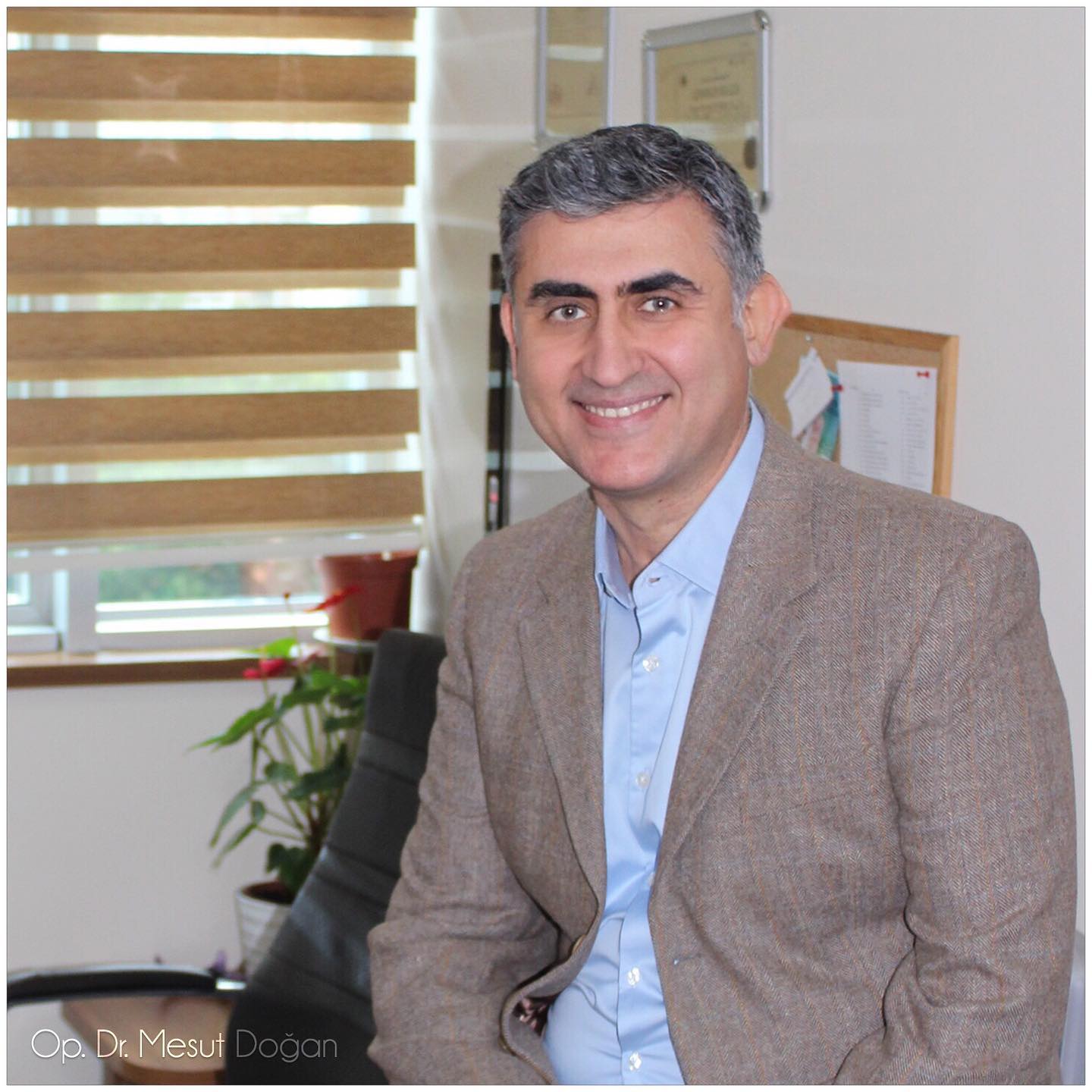
For UK patients, Turkey has become the most established destination for septorhinoplasty, with Istanbul-based surgeons performing substantially higher annual case volumes than their counterparts at UK private hospitals. Dr. Dogan at Private Aile Hospital in Istanbul combines functional correction with aesthetic refinement at approximately half the London equivalent cost, with no compromise in surgical standard or technology.
For a broader overview of rhinoplasty techniques available in Istanbul, see our Rhinoplasty in Turkey page.
Who Needs Septorhinoplasty?
Septorhinoplasty is appropriate for patients whose nasal concerns span both functional and aesthetic categories. It is not a procedure for patients seeking cosmetic improvement alone, nor for those with breathing issues whose external nasal appearance requires no change. The defining characteristic of a septorhinoplasty candidate is the presence of both problems, often interrelated at the structural level.
Deviated septum causing chronic nasal obstruction, difficulty breathing through one or both nostrils, recurrent sinus infections, or sleep-disrupting nasal blockage.
Nasal asymmetry, dorsal hump, overprojected or drooping tip, wide nasal base, or post-traumatic deformity where the external shape requires correction.
Patients with both breathing impairment and cosmetic concerns, where the structural deviation causing obstruction also contributes to visible asymmetry.
Nasal injury from sports, accidents, or previous surgery that has left both functional impairment and aesthetic change requiring simultaneous correction.
During your London consultation, Dr. Dogan will assess nasal airflow, internal anatomy, and external structure to determine whether septorhinoplasty is the appropriate approach or whether a standalone procedure better serves your specific needs.
Breathing difficulties and cosmetic concerns at the same time?
Discuss your anatomy with Dr. Dogan in person. London consultation available.Your Septorhinoplasty Journey in Istanbul
Septorhinoplasty is performed under general anaesthesia at Private Aile Hospital in Istanbul, typically lasting between two and three and a half hours depending on the complexity of both the functional and aesthetic corrections required. For London-based patients, the process begins at your pre-operative appointment in London, where nasal endoscopy, imaging review, and a detailed surgical plan are completed before you travel.
The procedure is most commonly performed through the open technique, which provides direct visualisation of both the septal structures and the external nasal framework. The surgeon first addresses the deviated septum, repositioning and stabilising the cartilage and bone to restore symmetric airflow. With the internal correction complete, attention turns to the external nasal framework. The nasal bones may be repositioned or refined, the tip cartilages reshaped and secured, and structural grafts placed where additional support or projection is required.
The two components of the procedure are not performed sequentially in isolation. An experienced septorhinoplasty surgeon integrates both corrections, ensuring that changes to the septal anatomy do not compromise external nasal projection or tip support, and that aesthetic modifications do not restrict the airway. This coordination is what distinguishes septorhinoplasty from simply performing both operations one after the other.
On completion, the incisions are closed with fine sutures, a nasal splint is applied externally, and light internal packing may be placed to support healing. Most patients are discharged from Private Aile Hospital the following morning. Post-operative follow-ups are conducted in London.
Septorhinoplasty vs. Rhinoplasty vs. Septoplasty
Patients often arrive at their consultation uncertain whether they need septorhinoplasty, standalone rhinoplasty, or standalone septoplasty. The distinction matters clinically and practically, as the scope and recovery of each differs.
| Septorhinoplasty | Rhinoplasty only | Septoplasty only | |
|---|---|---|---|
| Goal | Functional correction + aesthetic reshaping | Aesthetic reshaping only | Functional correction only |
| Septum addressed | Yes | No | Yes |
| External shape changed | Yes | Yes | No |
| Anaesthesia | General | General | General or local |
| Duration | 2.5 to 3.5 hours | 1.5 to 3 hours | 45 to 90 minutes |
| Recovery | 7 to 10 days social, 12 to 18 months final | 7 to 10 days social, 12 to 18 months final | 3 to 5 days, 4 to 6 weeks full |
| Best for | Patients with both functional and cosmetic concerns | Patients with cosmetic concerns and normal airflow | Patients with breathing issues and no cosmetic concerns |
If you have a deviated septum that is causing breathing difficulties and also wish to address the external appearance of your nose, combining both corrections in one operation is almost always the more efficient choice. It avoids a second surgery, a second anaesthetic, and a second recovery period.
Breathing difficulties without cosmetic concerns? Septoplasty corrects the internal structure without changing the external appearance of the nose.
Septoplasty in TurkeyConcerned about nasal packing after surgery? Modern techniques mean most patients can breathe through the nose from the first post-operative night.
Nose Surgery Without TamponsRecovery After Septorhinoplasty: A Realistic Timeline
Recovery from septorhinoplasty follows a broadly similar trajectory to rhinoplasty alone, with the internal septal work adding a modest additional dimension to the first week of healing. Understanding the timeline before you travel allows you to plan your Istanbul stay and London follow-up appointments with confidence.
1–3
Swelling around the nose and eyes peaks within 48 to 72 hours. Internal nasal congestion from the septal work is normal at this stage and resolves progressively. Head elevation and cold compresses reduce discomfort.
1
The external nasal splint and any internal packing are removed at the end of week one, before your return to London. Breathing typically improves noticeably at this point. Return to desk-based work is possible by day seven to ten.
2–4
The functional benefit of the septal correction becomes increasingly apparent as internal swelling resolves. Social activities resume. Your first London follow-up appointment typically falls within this window.
6
Physical activity resumes with appropriate precautions. The external nose looks close to its final aesthetic result. A second London follow-up appointment is scheduled around this milestone.
mo
Tip swelling resolves fully, revealing the final external shape. The functional improvement, however, is typically noticeable much earlier, often within the first few weeks after packing removal.
Expert Perspective: Integrating Function and Aesthetics
The most common misunderstanding patients bring to their septorhinoplasty consultation is the idea that functional and aesthetic corrections are two separate operations being performed simultaneously. In practice, they are deeply interconnected. A deviated septum does not simply obstruct airflow. It often pulls the nasal tip off-axis, creates visible asymmetry in the middle vault, and compromises the structural support that the external nose depends on.
When I plan a septorhinoplasty, the septal correction and the aesthetic reshaping are designed together, not in sequence. Repositioning the septum changes the structural foundation on which the external nose sits. Every decision about tip projection, dorsal height, and lateral wall symmetry must account for those changes. This is why the procedure is genuinely more demanding than performing rhinoplasty and septoplasty separately, and why surgeon experience with combined cases matters considerably.
For patients travelling from London, the pre-operative consultation is where this integration happens. By the time a patient arrives in Istanbul, every aspect of the procedure has been planned as a unified correction, not as two procedures running in parallel. The result, when done well, is a nose that functions correctly and looks balanced, with neither goal compromised for the sake of the other.
Is Septorhinoplasty Safe in Turkey?
Turkey has established itself as one of the leading international destinations for combined functional and aesthetic nasal surgery. Accredited hospitals in Istanbul operate to Western European standards in terms of anaesthetic protocols, surgical facility quality, and post-operative monitoring. Surgeons performing septorhinoplasty in these settings complete residency training equivalent to UK ENT and plastic surgery programmes, with many holding additional international fellowship qualifications.
The safety of any surgical procedure depends primarily on the selection of the right surgeon and facility, not on geography. For septorhinoplasty specifically, the relevant criteria are the surgeon’s combined case volume, their documented outcomes across both functional and aesthetic metrics, and the facility’s capacity to manage complications if they arise.
For patients based in London, the pre-operative consultation with Dr. Dogan takes place in your own city before any commitment to travel is made. This face-to-face clinical assessment, including nasal endoscopy and imaging review where indicated, ensures that both the functional diagnosis and the aesthetic plan are thoroughly established before surgery is scheduled.
Septorhinoplasty Cost: Turkey vs. London
Septorhinoplasty with Dr. Dogan at Private Aile Hospital in Istanbul is priced at approximately half the London equivalent for a combined functional and aesthetic procedure. The surgical fee includes hospital accommodation. The cost difference reflects Turkey’s lower operational overheads, not a difference in surgical standard, technology, or patient care.
Because septorhinoplasty addresses both functional and cosmetic components in a single procedure, it is also more cost-efficient than undergoing separate septoplasty and rhinoplasty operations at different times. For a detailed cost estimate based on your specific anatomy and surgical plan, this is best discussed during your London consultation.
Frequently Asked Questions
Read our detailed guide on functional rhinoplasty and all the conditions it addresses.
Functional Rhinoplasty in TurkeyThe information on this page is provided for general informational purposes and does not constitute medical advice. Individual suitability for septorhinoplasty depends on factors that can only be assessed through a personal consultation. Outcomes vary between patients.
