


Ethnic Rhinoplasty in Turkey
What Is Ethnic Rhinoplasty & Why Have It in Turkey?
Ethnic rhinoplasty is rhinoplasty performed with an explicit understanding that facial harmony is not universal. The nasal proportions, skin characteristics, cartilage structure, and aesthetic ideals that define a balanced result vary meaningfully across different ethnic backgrounds. Ethnic rhinoplasty applies this understanding to the surgical plan, refining the nose in a way that integrates naturally with the patient’s specific facial features rather than conforming to a generic Western aesthetic template.
The term does not describe a single surgical technique. It describes a philosophy of planning. A Middle Eastern patient presenting with a prominent dorsal hump and thick skin requires a fundamentally different approach from a South Asian patient with a low radix and a wide, poorly projected tip, or an African or Afro-Caribbean patient with a broad alar base and short columella. The anatomical starting points differ, the structural priorities differ, and critically, the reference points for what constitutes a natural and proportionate result differ.
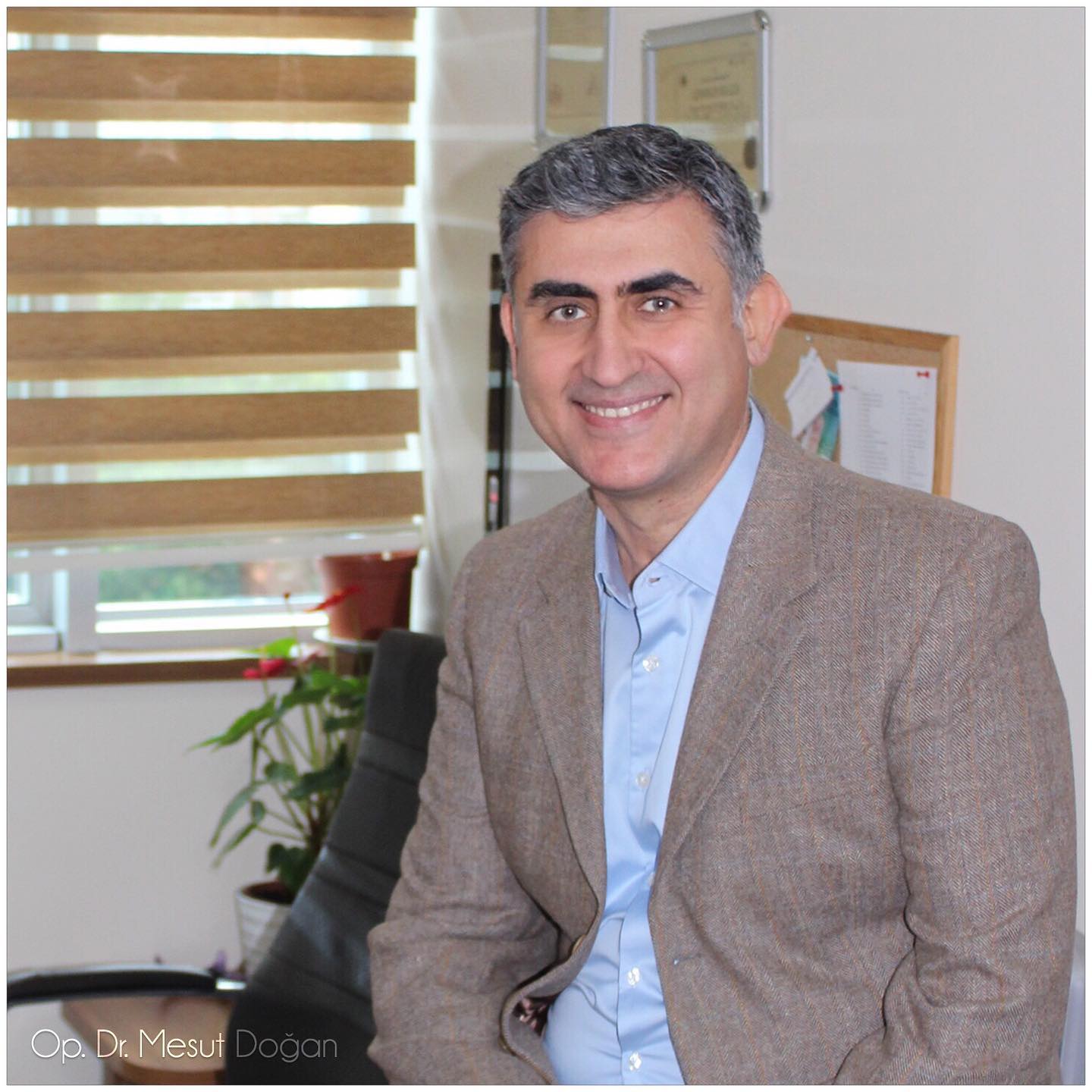
London has one of the most ethnically diverse populations in the world, and the demand for rhinoplasty that respects this diversity is substantial. Dr. Dogan’s patient base in London includes patients from South Asian, Middle Eastern, African, Afro-Caribbean, and East Asian backgrounds. His practice in Istanbul at Private Aile Hospital sees a similarly broad international case mix. This accumulated experience across diverse anatomical presentations is central to what makes ethnic rhinoplasty a meaningful area of specialist focus.
For a broader overview of rhinoplasty approaches available in Istanbul, see our Rhinoplasty in Turkey page.
Anatomical Profiles by Ethnic Background
Understanding how nasal anatomy varies across ethnic backgrounds is essential to planning a result that looks natural rather than operated. The following profiles describe common structural presentations, though individual variation within any group is always significant and no patient should be approached through a template.
Typically characterised by a prominent dorsal hump, a drooping or overprojected tip, thick to medium skin, and a strong nasal base. Goals often centre on reducing the hump and rotating the tip while preserving the strong, defined character of the nose and avoiding an over-refined or pinched appearance.
Often presents with a low or flat nasal bridge, a wide and poorly defined tip, thick skin, and a broad alar base. Goals typically involve increasing dorsal height through grafting, improving tip definition, and narrowing the alar base, all while respecting the soft facial features characteristic of this background.
Commonly characterised by a flat or low dorsum, a wide and soft nasal tip with thick skin, a broad alar base, and a short columella. Structural grafting to build projection and definition, combined with alar base reduction, is frequently required. Preserving the characteristic fullness of the nose is an important aesthetic consideration.
Often presents with a low radix and dorsum, a flat or under-projected tip, thin to medium skin, and a relatively narrow alar base. Goals typically centre on augmenting projection and dorsal height, often using cartilage grafts from the septum or ear, to achieve a more defined profile without altering the distinctive softness of East Asian facial features.
A highly variable group presenting with a wide range of nasal proportions. Common presentations include a low radix, a boxy or wide tip, thick skin in many cases, and moderate alar base width. Planning requires careful individual assessment rather than group assumptions, with preservation of natural facial balance as the primary reference.
Patients of mixed ethnic backgrounds present the broadest anatomical variation and often the most complex planning challenges. The reference point for a natural result must be derived from the individual’s own facial structure rather than from any single ethnic template.
Wondering which approach is right for your anatomy and background?
Discuss your goals with Dr. Dogan in person. London consultation available.The Preservation Principle: What Ethnic Rhinoplasty Is Not
A common concern among patients seeking ethnic rhinoplasty is the fear that surgery will make them look Westernised or that their result will appear obviously operated on. This concern is legitimate and reflects a genuine failure mode that occurs when rhinoplasty is planned without reference to the patient’s specific ethnic facial structure.
The goal of ethnic rhinoplasty is not to approximate a Western nasal aesthetic. It is to achieve the best version of the nose that belongs to this face, calibrated to the proportions, features, and aesthetic context of the individual patient sitting in the consultation. A result that looks natural on a South Asian face is structurally different from one that looks natural on a Middle Eastern face or an African face. Planning begins with the patient’s own facial structure as the reference, not with an idealised template.
In practical terms, this means the surgical targets for tip projection, dorsal height, alar base width, and overall nasal length are derived from measurements of the patient’s own face, not from population averages or generic aesthetic ideals. It also means that certain features commonly modified in Western-standard rhinoplasty, such as reduction of the alar base or lowering of the dorsum, may be inappropriate or even counterproductive in patients whose faces are proportioned around different structural baselines.
Preservation rhinoplasty techniques, which have become increasingly prominent in recent years, are particularly relevant to ethnic rhinoplasty. By preserving rather than resecting the native dorsal structure and using redistribution rather than removal as the primary mechanism of reshaping, these approaches tend to produce results that read as natural because they work with the existing anatomy rather than against it.
Your Ethnic Rhinoplasty Journey in Istanbul
Ethnic rhinoplasty is performed under general anaesthesia at Private Aile Hospital in Istanbul, typically lasting between two and three hours. For London-based patients, the surgical plan is finalised at your pre-operative consultation in London, including detailed analysis of facial proportions, photographic assessment, and a thorough discussion of goals and realistic outcomes specific to your anatomy.
The surgical approach, open or closed, is determined by the complexity of the corrections required. Cases involving structural grafting for augmentation, significant tip repositioning, or alar base modification are typically performed through the open technique, which provides the direct visualisation necessary for precise graft placement and structural adjustment.
For patients requiring augmentation, including many South Asian, East Asian, African, and Afro-Caribbean patients where increasing projection or dorsal height is a goal, cartilage grafts harvested from the septum or ear are the preferred material. These provide natural-feeling, long-lasting structural support without the complications associated with synthetic implants. The graft source and design are planned specifically for the structural requirements of each case.
Alar base reduction, where indicated, is performed as a precise excision at the nostril junction, reducing width while preserving the natural shape of the nostril opening. The incision placement follows the natural crease where nostril meets cheek, minimising scar visibility.
On completion, the incisions are closed with fine sutures, a nasal splint is applied, and the patient moves to recovery. Most patients are discharged the following morning. Post-operative follow-ups are conducted in London.
Recovery After Ethnic Rhinoplasty: A Realistic Timeline
Recovery from ethnic rhinoplasty follows the same general progression as other rhinoplasty procedures. The timeline for visible results varies depending on skin thickness, which tends to be greater in South Asian, African, and Middle Eastern patients and directly influences how quickly refinements become apparent on the surface.
1–3
Swelling and bruising around the nose and eyes peak within 48 to 72 hours. Head elevation, cold compresses, and prescribed pain relief manage discomfort effectively. Patients with thicker skin typically experience somewhat more pronounced initial swelling.
1
The nasal splint is removed at the end of week one, before your return to London. The new nasal shape becomes visible for the first time, though significant swelling remains. Return to desk-based work is typically possible by day seven to ten.
2–4
Visible bruising resolves. Residual swelling is present but largely undetectable to those who did not know the pre-operative appearance. Social activities resume. Your first London follow-up appointment typically falls within this window.
6
Physical activity resumes with appropriate precautions. The nose looks close to its final result in most structural respects. A second London follow-up is scheduled around this milestone.
mo
Full resolution of tip swelling reveals the final outcome. In thick-skin patients, this timeline often extends toward eighteen months as the skin gradually adapts to the underlying framework. The functional and structural result is established well before this point; the final stage is a surface refinement that requires patience.
Expert Perspective: Planning Without a Template
The most important shift in ethnic rhinoplasty is treating the patient’s own face as the reference standard rather than an external aesthetic ideal. When I plan a rhinoplasty for a patient of South Asian or African or Middle Eastern background, the question I am answering is not how to make this nose closer to a Western one. It is what the ideal nose for this specific face looks like, calibrated to the proportions, bone structure, skin, and cultural aesthetic context of that individual. Those are genuinely different questions, and they lead to genuinely different surgical plans.
The technical implications are significant. A patient who needs augmentation, who needs structure built rather than reduced, requires a fundamentally different approach from the reduction-focused rhinoplasty that dominates Western surgical training and literature. Cartilage grafting from the septum or ear is the foundation of augmentation rhinoplasty, and the design and placement of those grafts must serve the specific anatomical goals of each case.
Thick skin is the other constant in ethnic rhinoplasty practice. Patients need to understand before surgery that thick skin limits surface expression of cartilage refinement, particularly at the tip. The result is still meaningful, the improvement is real, but the timeline for appreciating it is longer. Having that conversation clearly and honestly before surgery is part of the practice. Patients who understand this from the outset are consistently more satisfied, because they are measuring their result against the right expectations.
Is Ethnic Rhinoplasty Safe in Turkey?
Turkey is among the most established international destinations for rhinoplasty across all patient backgrounds, including ethnic rhinoplasty specifically. Accredited hospitals in Istanbul operate to Western European standards in anaesthetic protocols, surgical facility quality, and post-operative monitoring. For patients from the UK, the clinical and facility standard at Private Aile Hospital is comparable to that of UK private hospitals, at a significantly lower cost.
For ethnic rhinoplasty in particular, the relevant safety consideration beyond the facility is the surgeon’s documented experience with diverse anatomical presentations. Istanbul-based surgeons who treat a high volume of international patients from varied ethnic backgrounds build the kind of case-specific experience that surgeons in more homogeneous markets cannot replicate through volume alone.
For London-based patients, the pre-operative consultation with Dr. Dogan takes place in your own city before any commitment to travel is made. The full clinical assessment, photographic analysis, and surgical plan are completed at that appointment, ensuring that both surgeon and patient enter the procedure with a thorough shared understanding of the goals and the approach.
Ethnic Rhinoplasty Cost: Turkey vs. London
Ethnic rhinoplasty with Dr. Dogan at Private Aile Hospital in Istanbul is priced at approximately half the London equivalent for a procedure of comparable complexity. The surgical fee includes hospital accommodation. The cost difference reflects Turkey’s lower operational overheads, not a difference in surgical standard, technique, or patient care.
For a detailed cost estimate based on your specific anatomy and the corrections required, this is best discussed during your London consultation.
Frequently Asked Questions
Many ethnic rhinoplasty patients present with large or wide nose concerns. Read our large nose rhinoplasty guide.
Large and Long Nose Aesthetics in TurkeyMost ethnic rhinoplasty procedures requiring structural grafting use the open technique.
Open Rhinoplasty in TurkeyPreservation rhinoplasty principles are particularly relevant to ethnic rhinoplasty. Read our guide.
Preservation Rhinoplasty in TurkeyThe information on this page is provided for general informational purposes and does not constitute medical advice. Individual suitability for ethnic rhinoplasty depends on factors that can only be assessed through a personal consultation. Outcomes vary between patients.
