


Is Rhinoplasty Painful? What to Expect After Surgery

Is rhinoplasty painful? The operation itself is not, because it is performed under general anaesthesia. Afterwards, most people describe the recovery as uncomfortable rather than painful: a feeling of pressure, a blocked nose and tenderness, which is usually well controlled with prescribed medication and improves noticeably within the first few days. This guide explains what to expect, how pain is managed and when discomfort is a reason to call your surgeon.
For the full healing picture, see our rhinoplasty recovery timeline. For how the operation is performed, visit our main rhinoplasty in Turkey page.
- You will not feel anything during the operation.
- After surgery, a blocked, pressured feeling is more common than sharp pain.
- Discomfort is usually greatest in the first two to three days and then eases.
- Take only the painkillers your surgeon prescribes, as some common painkillers increase bleeding.
Is Rhinoplasty Painful During Surgery?
No. Rhinoplasty is performed under general anaesthesia, so you are asleep throughout the operation and feel nothing. Before surgery you will have an anaesthetic review, and most patients stay in hospital for one night so that comfort and recovery can be monitored.
How Painful Is Rhinoplasty Recovery?
Every person experiences recovery differently, but most describe these sensations:
Pressure and fullness
A heavy, full feeling in the nose and face, similar to a bad cold, is the most common complaint in the first days.
Blocked nose
Internal swelling makes breathing through the nose harder at first. See why can’t I breathe through my nose after rhinoplasty?
Tenderness
The nose and surrounding areas feel sore to touch, so it is best left alone.
Headache and dry mouth
Mouth breathing and swelling can cause a mild headache or dry throat, which usually settles quickly.
Avoiding traditional dense packing makes a real difference to comfort. Thin silicone splints are increasingly used instead, which allows most patients to breathe through the nose from the first night. Read about packing-free rhinoplasty.
Pain After Rhinoplasty Day by Day
| Time | What most people feel |
|---|---|
| Night of surgery | Drowsiness, pressure and stuffiness, managed in hospital. |
| Days 1 to 3 | The most uncomfortable period, as swelling peaks. Regular prescribed medication helps. |
| Days 4 to 7 | Discomfort eases; many people need less medication. |
| Splint removal | Usually quick and causes brief discomfort rather than pain. |
| Week 2 onwards | Mostly tenderness and stiffness, with occasional aches. |
Worried about recovery?
Ask Dr. Dogan exactly what to expect for your nose.How Is Pain Managed After Rhinoplasty?
- Prescribed pain relief: take it as directed, especially in the first few days, rather than waiting for discomfort to build up.
- Avoid painkillers that increase bleeding: many surgeons advise against aspirin and some anti-inflammatory painkillers after rhinoplasty. Do not take anything new without checking.
- Head elevation: sleeping and resting with your head raised reduces swelling and pressure.
- Cold compresses: on the cheeks and around the eyes in the first days, if recommended. Never press on the nose.
- Saline spray: helps with stuffiness and dryness. See how to clean your nose after rhinoplasty.
- Rest: avoid bending, lifting and straining.
Numbness and Strange Sensations
Numbness of the tip of the nose, and sometimes the upper lip or front teeth, is common after rhinoplasty. It usually improves gradually over several months as small nerves recover. Tingling or itching as feeling returns is normal.
When Is Pain a Warning Sign?
- pain that gets worse instead of better after the first few days;
- pain that is not controlled by your prescribed medication;
- increasing redness, warmth or swelling, or a fever;
- bleeding that does not stop with gentle pressure.
Frequently Asked Questions
Is rhinoplasty painful?
How long does pain last after rhinoplasty?
Is splint removal painful?
Can I take ibuprofen after rhinoplasty?
Is revision rhinoplasty more painful?
A comfortable recovery starts with good planning
Discuss your surgery and recovery with Dr. Dogan in London.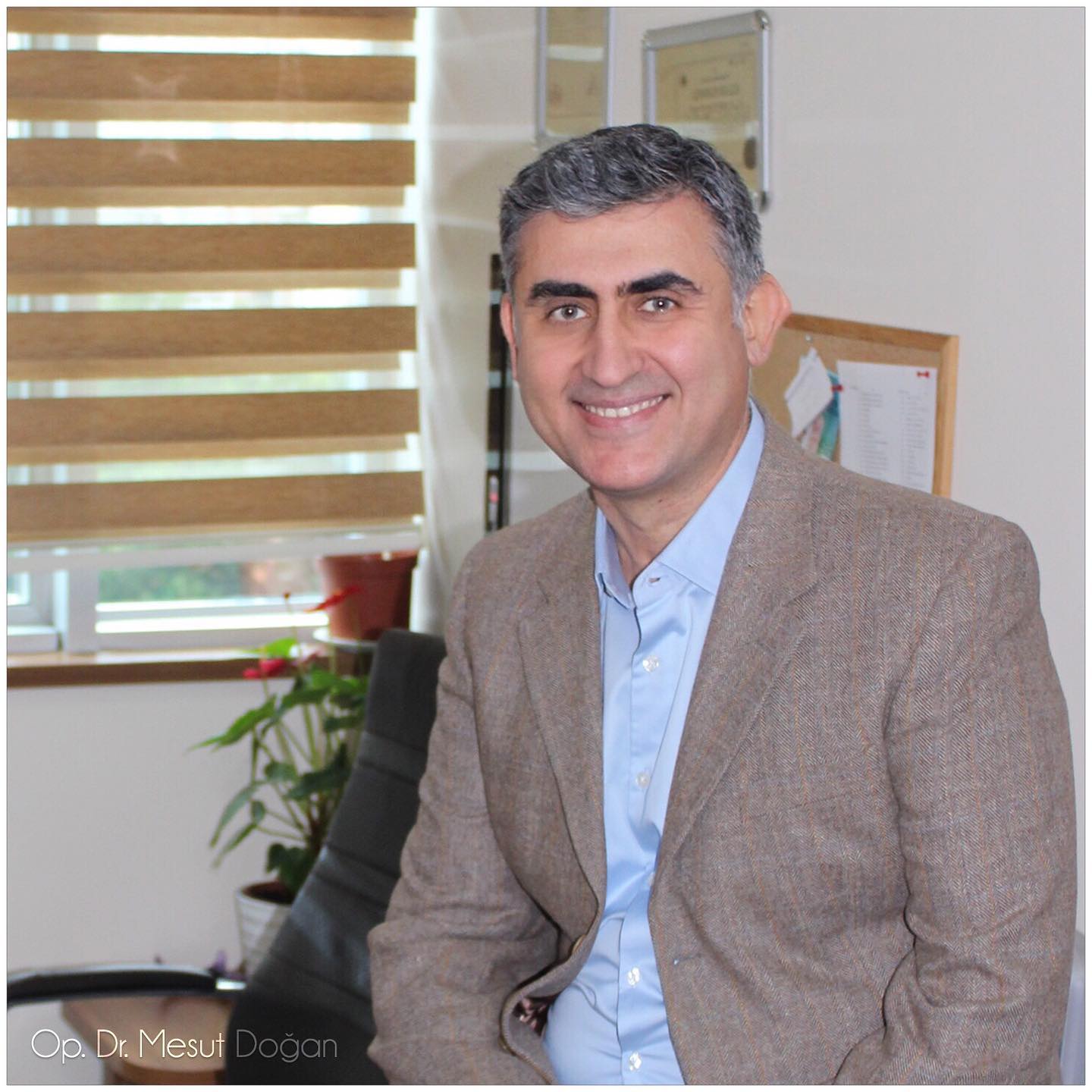
Dr. Dogan sees UK patients for consultations and follow-up in London and performs rhinoplasty at a fully equipped private hospital in Istanbul. Read his biography.
This article is for general information only and is not a substitute for medical advice. Only take medication prescribed or approved by your surgeon.
