


What Not to Do After Rhinoplasty

What not to do after rhinoplasty? The most important things to avoid are blowing your nose, bending or lifting heavy objects, strenuous exercise, smoking, knocking or pressing on your nose, resting glasses on the bridge and spending time in strong sun. Avoiding these in the first weeks protects the new shape of your nose and helps swelling settle. This checklist explains what to avoid and for roughly how long.
Your surgeon’s instructions always come first, because timings depend on the surgery you had. For the overall healing picture, see our rhinoplasty recovery timeline, and for the procedure itself, our main rhinoplasty in Turkey page.
- The first two weeks are the most important for protecting your nose.
- Avoid anything that raises blood pressure in your face: bending, straining, heavy lifting and hard exercise.
- Avoid anything that puts pressure on the nose: blowing, glasses, sleeping face-down and knocks.
- Some restrictions, such as contact sports, last longer than others.
What Not to Do After Rhinoplasty: Quick Checklist
| Avoid | Why | Typically until |
|---|---|---|
| Blowing your nose | Pressure can cause bleeding and disturb healing tissue. | Your surgeon says it is safe |
| Bending and heavy lifting | Increases swelling and the risk of bleeding. | The first weeks |
| Strenuous exercise | Raises blood pressure in the face. | Around 6 weeks |
| Contact sports | Risk of a knock to the healing nose. | When your surgeon clears you |
| Smoking and vaping | Reduce blood flow and slow healing. | As long as possible |
| Glasses on the bridge | Pressure can mark the healing bones. | As advised by your surgeon |
| Strong sun | Can worsen swelling and mark healing skin. | The first months |
| Sleeping face-down | Puts pressure on the nose. | The first weeks |
What Not to Do in the First Week
- Do not blow your nose. Use saline spray instead, and sneeze with your mouth open.
- Do not get the splint wet or try to adjust it.
- Do not bend down or lift anything heavy, including children and shopping bags.
- Do not lie flat. Sleep with your head raised. See the week-by-week recovery guide.
- Do not take medication you have not been prescribed, especially aspirin and some anti-inflammatory painkillers.
- Do not drink alcohol, particularly while taking prescribed medication.
- Do not take hot baths or use saunas, which increase swelling.
- Do not go sightseeing if you had surgery abroad. Rest is the priority.
What Not to Do in the First Month
- Do not return to the gym, running or swimming until your surgeon agrees.
- Do not rest heavy glasses on your nose without guidance.
- Do not pick at crusts inside the nose. See how to clean your nose after rhinoplasty.
- Do not expose your nose to strong sun without high-factor protection and a hat.
- Do not wear tight tops you have to pull over your face.
- Do not let pets or children climb on you near your face.
Want personal aftercare guidance?
Dr. Dogan gives every patient clear, written instructions for recovery.Things to Avoid for Longer
Contact sports
Rugby, boxing, martial arts and similar sports need the longest break. Your surgeon will advise when it is safe.
Judging the result too early
The nose keeps refining for twelve to eighteen months. Early swelling is not the final shape. See how long swelling lasts.
Missing follow-ups
Follow-up appointments let your surgeon check that healing is on track.
Can You Fly After Rhinoplasty?
Flying too soon after surgery increases the risk of blood clots, and the NHS recommends avoiding flights for 7 to 10 days after facial cosmetic procedures. If you had surgery abroad, read flying back to the UK after rhinoplasty.
Frequently Asked Questions
What should you not do after rhinoplasty?
How long can’t you bend over after rhinoplasty?
Can I shower after rhinoplasty?
Can I laugh or smile after rhinoplasty?
What happens if I accidentally bump my nose?
Clear guidance from start to finish
Meet Dr. Dogan in London to plan your surgery and aftercare.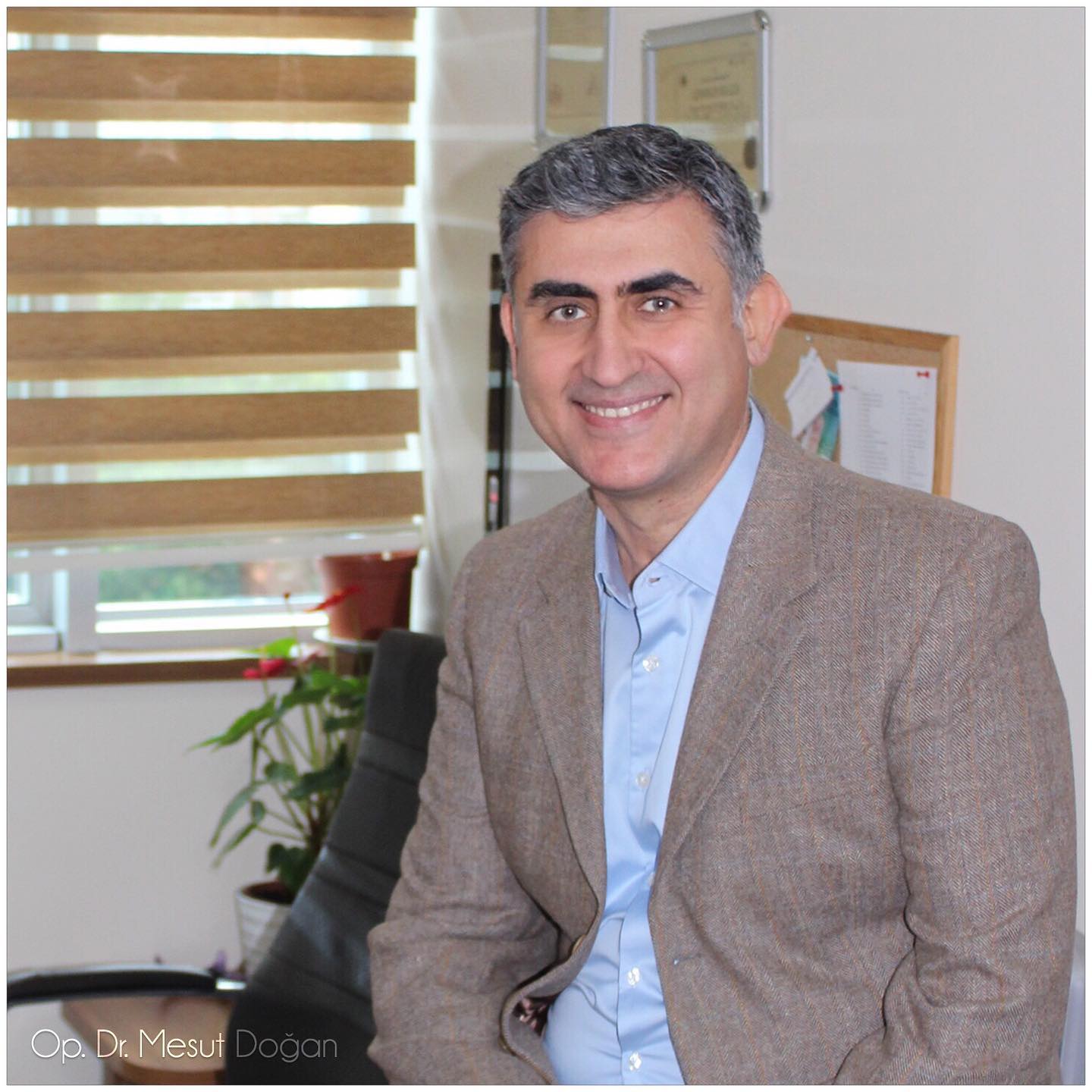
Dr. Dogan sees UK patients for consultations and follow-up in London and performs rhinoplasty at a fully equipped private hospital in Istanbul. Read his biography.
This article is for general information only and is not a substitute for medical advice. Always follow the specific aftercare instructions given by your surgeon.
