


How to Clean Your Nose After Rhinoplasty

How to clean your nose after rhinoplasty: use the saline spray your surgeon recommends to soften crusts and keep the inside of the nose moist, and gently clean only the edges of the nostrils with a cotton bud as instructed. Do not blow your nose, pick at crusts or push anything deep into the nostrils. This guide explains how to clean your nose safely in the first weeks, and what to avoid.
For the overall healing picture, see our rhinoplasty recovery timeline. For the procedure itself, visit our main rhinoplasty in Turkey page.
- Saline spray is the main tool for keeping the nose clean and comfortable.
- Clean only the outer edges of the nostrils; leave the inside to heal.
- Crusts are normal. Soften them, do not pull them.
- Keep the external splint dry until it is removed.
Why Nose Cleaning Matters After Rhinoplasty
In the first weeks, small amounts of blood and mucus dry inside the nose and form crusts. Crusts block airflow, can feel uncomfortable and may make the nose feel more congested than it is. Gentle, regular cleaning keeps the lining moist, helps crusts clear on their own and supports comfortable breathing. See also why can’t I breathe through my nose after rhinoplasty?
How to Use Saline Spray After Rhinoplasty
- 1
Wash your hands
Always start with clean hands before touching anything near your nose.
- 2
Sit upright and tilt slightly forward
This keeps the spray from running down your throat and lets loosened mucus drain out.
- 3
Spray gently into each nostril
Point the nozzle slightly towards the outer side of the nostril rather than straight up, and press gently. Do not push the nozzle deep inside.
- 4
Let it drain, do not blow
Allow excess liquid to run out and dab it away with a clean tissue. Do not sniff hard or blow.
- 5
Repeat as advised
Use the spray as often as your surgeon recommends, usually several times a day in the early weeks.
How to Clean the Edges of Your Nostrils
If your surgeon recommends it, you can clean the outer rim of each nostril:
- Moisten a cotton bud with saline or the solution you have been given.
- Gently roll it around the edge of the nostril only, without going deep inside.
- Use a fresh cotton bud for each side.
- Apply any ointment you have been prescribed in the same gentle way.
- If you have stitches at the base of the nose, follow your specific wound care instructions.
Clear instructions make recovery easier
Every patient receives written aftercare guidance from Dr. Dogan.What to Avoid When Cleaning Your Nose
- Do not blow your nose until your surgeon says it is safe.
- Do not pick or pull crusts, even if they feel loose. Let saline soften them.
- Do not push cotton buds or fingers deep into the nose.
- Do not use decongestant sprays unless your surgeon has advised them.
- Do not get the external splint wet while it is in place.
Caring for Your Nose While the Splint Is On
The external splint is usually removed between day five and day seven. Until then, keep it dry, do not try to lift or adjust it and clean around it gently with a damp cloth. After the splint comes off, wash your face gently and avoid rubbing the nose. Your skin may feel oily or have small spots for a while; see your surgeon’s advice on skin care before using new products.
Keeping the Inside of Your Nose Moist
- Use a humidifier in your bedroom if the air is dry.
- Drink plenty of water.
- Avoid very hot, dry or smoky environments.
- Use lip balm, as mouth breathing can dry your lips.
When to Contact Your Surgeon
- bleeding does not stop with gentle pressure and leaning forward;
- you notice discharge that is thick, discoloured or smells unusual;
- there is increasing pain, redness or a fever.
Frequently Asked Questions
How do I clean my nose after rhinoplasty?
When can I blow my nose after rhinoplasty?
How long do crusts last after rhinoplasty?
Can I wash my face after rhinoplasty?
Is it normal to have a runny nose after rhinoplasty?
Planning your rhinoplasty?
Meet Dr. Dogan in London and get clear guidance for every stage.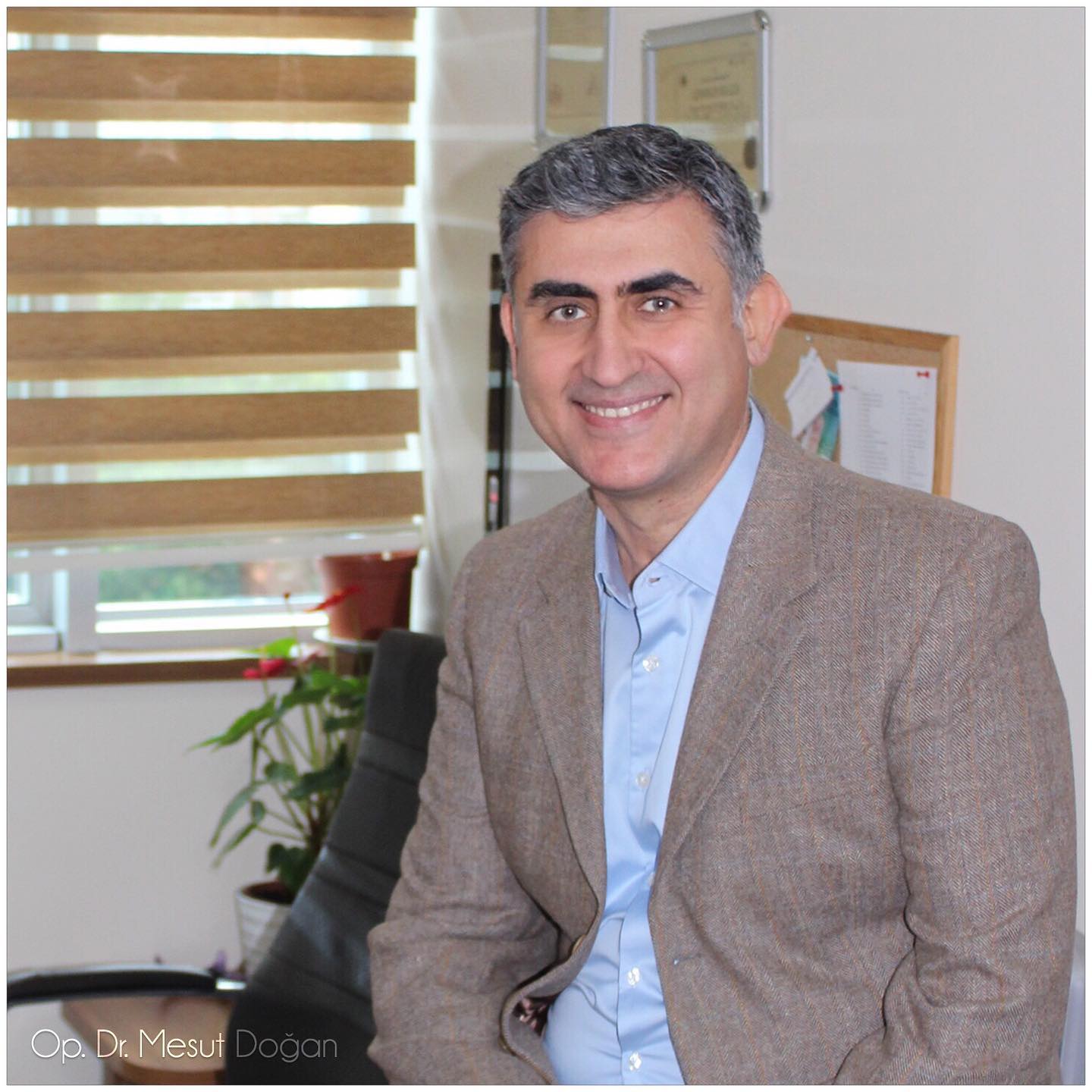
Dr. Dogan sees UK patients for consultations and follow-up in London and performs rhinoplasty at a fully equipped private hospital in Istanbul. Read his biography.
This article is for general information only and is not a substitute for medical advice. Always follow the specific aftercare instructions given by your surgeon.
