


Is Rhinoplasty in Turkey Safe for UK Patients?

Is rhinoplasty in Turkey safe? It can be safe for UK patients when it is performed by an experienced surgeon in a fully equipped hospital, with a proper consultation beforehand and a clear aftercare plan once you are home. The risks are real, though, and they come from two places: the surgery itself, which carries the same risks anywhere, and the travel and logistics that surgery abroad adds. This guide explains both, and how to reduce them.
For an overview of the procedure, see our main rhinoplasty in Turkey page.
- Safety depends on the surgeon, the hospital, the pre-operative assessment and the aftercare, not on the country.
- Surgery abroad adds specific risks: rushed decisions, flying too soon and gaps in follow-up care.
- UK government and NHS guidance both recommend researching providers independently and planning aftercare before you travel.
- Meeting your surgeon in person and having follow-up close to home removes several of the main risks.
What UK Official Guidance Says
It is worth starting with what the UK government and the NHS tell patients, because good clinics should be comfortable with these questions.
The GOV.UK travel advice for Turkey notes that cosmetic surgery is one of the most common reasons people travel for treatment and that standards of medical facilities can vary. It advises discussing plans with a UK doctor first and researching providers independently, because companies selling treatment have a financial interest. The Turkish Ministry of Health lists approved health tourism providers on the HealthTürkiye website.
The NHS guidance on cosmetic surgery abroad adds that you should meet the surgeon, not only sales staff, avoid paying for a hospital you have never seen, and check where follow-up care will take place.
None of this means surgery in Turkey is unsafe. It means the choice of provider and the planning around the operation decide how safe it is.
What Determines How Safe Your Surgery Is
The surgeon
A practice focused on rhinoplasty, a substantial case history and before and after photos of their own patients. Dr. Dogan’s practice focuses on aesthetic and functional nose surgery.
The hospital
A fully equipped hospital with general anaesthesia support, monitoring and overnight inpatient care. Dr. Dogan operates at a fully equipped private hospital in Istanbul.
Pre-operative assessment
A full examination of the nose, skin and breathing, a review of your medical history and medication, and blood tests and an anaesthetic review before surgery.
Aftercare
Clear written instructions, a check before you fly and follow-up appointments over the following months, ideally with the same surgeon and close to home.
The Surgical Risks of Rhinoplasty
Every operation carries risk, in the UK or abroad. A good consultation explains these clearly, including how likely they are for your nose and how they are managed. The NIH clinical reference on rhinoplasty covers them in detail.
Bleeding
Minor bleeding in the first 24 to 48 hours is normal. Heavier bleeding is less common and is managed with standard measures.
Infection
Uncommon when sterile protocols are followed. Treated with antibiotics if it occurs.
Breathing changes
Temporary blockage from swelling is common. Persistent problems are reduced by assessing and treating the internal structure of the nose.
Aesthetic irregularities
Asymmetry or contour irregularities can occur, particularly in complex or revision cases, and may need secondary correction once healing is complete.
Septal perforation
A rare structural complication linked to surgery on the septum, which careful technique aims to avoid.
Anaesthetic risks
General anaesthesia carries small risks, which is why a pre-operative anaesthetic review is essential.
The Extra Risks of Surgery Abroad
These are the risks that surgery in the UK does not usually have. Each one can be reduced with the right planning.
- 1
Deciding too quickly
Booking after a short online chat, without an examination or time to reflect, increases the chance of unrealistic expectations. A face-to-face consultation and time to think before committing reduce this.
- 2
Flying too soon
Surgery and air travel both increase the risk of blood clots. The NHS recommends avoiding flights for 7 to 10 days after facial cosmetic procedures. Most of Dr. Dogan’s UK patients stay in Istanbul for around a week and fly once they have been cleared. See flying back to the UK after rhinoplasty.
- 3
No follow-up at home
If your surgeon is thousands of miles away, small concerns can become big worries. Routine follow-up in London with your own surgeon closes this gap. See rhinoplasty aftercare in the UK.
- 4
Insurance gaps
The UK Global Health Insurance Card is not valid in Turkey, and standard travel insurance does not normally cover planned surgery. Ask what cover is in place for your treatment and consider specialist medical travel insurance.
Want your questions answered in person?
Discuss risks, your anatomy and your recovery plan with Dr. Dogan in London.Red Flags to Watch For
- will not tell you who your surgeon is, or you only ever speak to sales staff;
- offers surgery without an examination, based only on photos;
- pressures you with limited-time discounts or deposits to secure a date;
- sells surgery as part of a holiday package with sightseeing straight afterwards;
- suggests flying home a day or two after the operation;
- cannot explain who will see you if you have a problem after you return to the UK.
How the London and Istanbul Approach Reduces Risk
Dr. Dogan’s approach is designed around the gaps that official guidance warns about.
A face-to-face examination and surgical plan, with time to decide before you book travel.
Performed by Dr. Dogan at a fully equipped private hospital, with a check before you fly.
Routine follow-up appointments with the same surgeon as your nose heals.
You meet the surgeon who operates on you, and you are not left without a clinician close to home during recovery.
Frequently Asked Questions
Is rhinoplasty in Turkey safe for UK patients?
How can I check a clinic in Turkey?
What happens if I have a complication after I get home?
Should I tell my GP I am having surgery abroad?
Is it safer to have rhinoplasty in the UK?
Make an informed, unhurried decision
Start with a face-to-face consultation in London.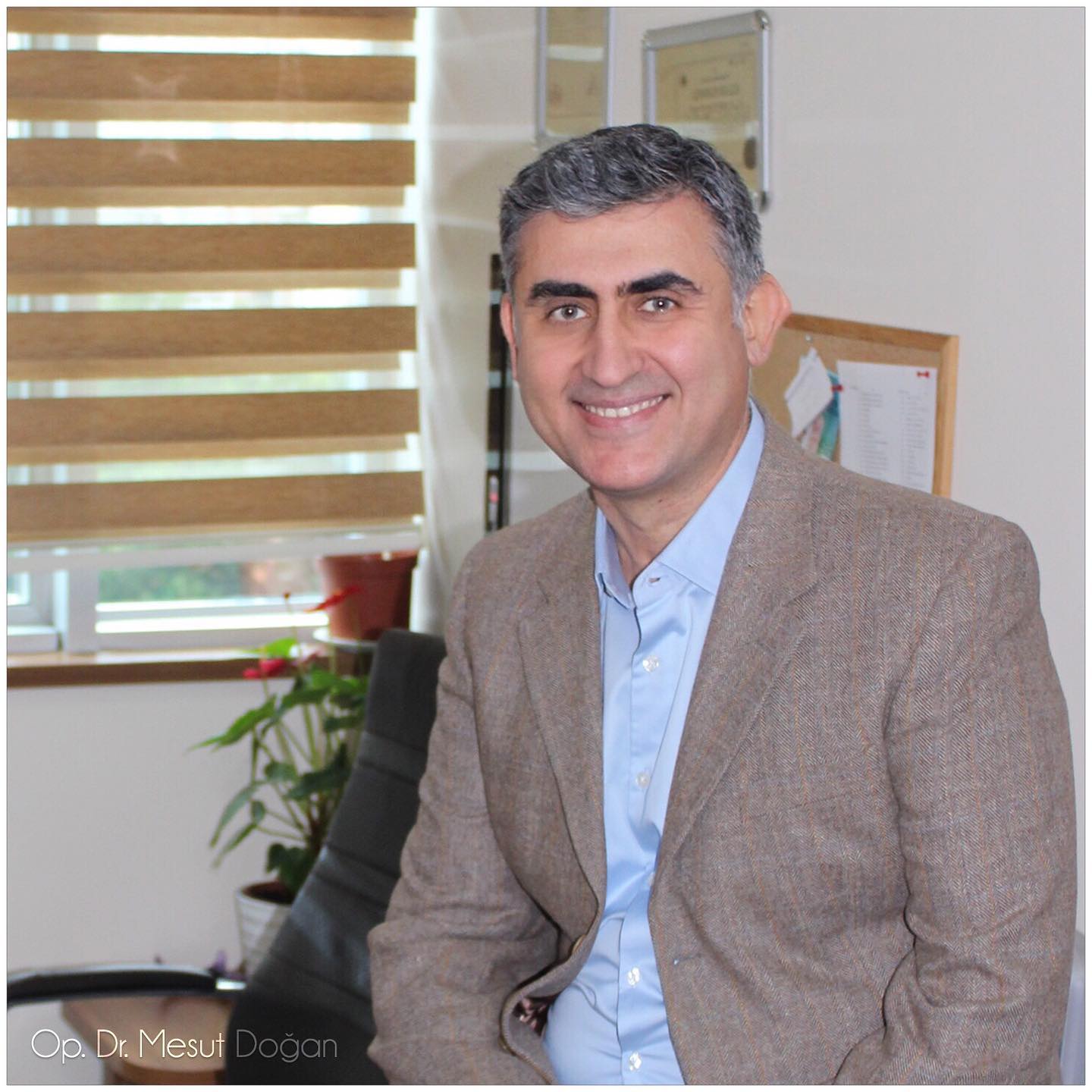
Dr. Dogan sees UK patients for consultations and follow-up in London and performs rhinoplasty at a fully equipped private hospital in Istanbul. Read his biography.
This article is for general information only and is not a substitute for medical advice. All surgery carries risk, and your individual risks can only be assessed through a personal consultation.
