


Rhinoplasty Aftercare in the UK Following Surgery in Turkey
Recovery from rhinoplasty does not end when you board the plane home. Most of the healing, and almost all of the gradual refinement of your result, happens in the months after you return to the UK. That is why aftercare is one of the most important things to consider when choosing a surgeon abroad. The NHS points out that overseas clinics may not offer follow-up care to the same standard as in the UK, and may have no healthcare professional in the UK you can turn to if you have a problem.
Dr. Mesut Dogan is based in London, so patients who have surgery with him in Istanbul can attend their post-operative follow-up appointments in London. This guide explains what aftercare looks like once you are home, how your recovery typically progresses, and who to contact if you have a concern.
- Your post-operative reviews take place in London, with the same surgeon who operated on you.
- The first two weeks at home are mainly about rest, protecting the nose and following your written instructions.
- Tip swelling can take twelve to eighteen months to settle completely, so patience is part of the process.
- Know the difference between issues to raise with your surgeon’s team and symptoms that need urgent NHS care.
Why Continuity of Care Matters
Every nose heals differently. Swelling may settle unevenly, the skin may feel numb or firm for a while, and small changes can appear and disappear over months. The surgeon who planned and performed your operation is best placed to judge whether these changes are normal for your nose. Having that surgeon available in the UK means you can be examined in person, rather than relying on photos alone.
Recovery Stages After You Return Home
- 1
The first two weeks at home
When you arrive home, your splint will usually already have been removed in Istanbul. The focus now is on protecting the healing tissues.
- Sleep with your head raised on two pillows or a wedge pillow to help swelling go down.
- Avoid blowing your nose. If you need to sneeze, try to do it with your mouth open.
- Clean gently using the method your surgeon recommended, such as saline spray.
- Avoid bending, heavy lifting and straining, which can increase swelling and the risk of bleeding.
- Do not smoke or vape. Smoking reduces blood flow to healing tissue.
- Avoid alcohol in the early weeks, particularly while taking prescribed medication.
- Protect your nose from knocks, including from children, pets and crowded spaces.
- Return to desk-based work when you feel ready, usually within seven to ten days of surgery.
- 2
Weeks two to six
By now most people feel much more like themselves. Visible bruising usually fades within two to three weeks, although the nose will still look swollen, especially at the tip and across the bridge.
- Exercise: start with gentle walking. Running, gym work and other strenuous exercise are usually resumed around the six-week mark, once your surgeon agrees.
- Glasses: heavy glasses resting on the bridge of the nose can leave marks while the bones are healing. Ask your surgeon how and when it is safe to wear them.
- Sun protection: healing skin can mark or discolour more easily in the sun. Use a high-factor sunscreen and a hat outdoors.
- Swimming: check with your surgeon first, as pool and sea water can irritate healing tissues.
- 3
Months two to eighteen
This is when the slower changes happen. Swelling continues to reduce gradually, and the nose becomes more refined and defined. The tip is usually the last area to settle, and patients with thicker nasal skin often have a longer timeline. It is normal for the nose to look slightly different in the morning than in the evening during this period.
Contact sports and activities with a risk of facial impact need particular care. Your surgeon will advise when it is safe to return to them.
What Happens at Your Follow-Up Appointments in London?
Your follow-up schedule is agreed with you individually. Reviews are typically spread across the first weeks, the following months and around the one-year mark, when the result is much closer to final. At each appointment Dr. Dogan will usually:
Checks shape, symmetry and skin, plus your breathing and the inside of the nose.
Compares how swelling is settling with the expected pattern for your nose.
Answers questions, updates aftercare advice and takes progress photographs.
Bring a list of questions and note any changes you have noticed since your last visit. Small observations are often easier to discuss in person.
Prefer aftercare close to home?
Meet Dr. Dogan in London before surgery and for every routine follow-up.Who to Contact If You Have a Concern
Your surgeon’s team
For questions about healing, such as uneven swelling, numbness, crusting or mild discomfort, contact Dr. Dogan’s team first. They know the details of your operation and can advise whether you need to be seen sooner.
NHS 111
If you need urgent medical advice and cannot reach your surgeon’s team, contact NHS 111.
Your GP
Let your GP know you have had surgery abroad and keep a copy of your operation summary and medication list. If you ever need NHS care, this helps clinicians understand what was done.
- heavy nosebleeding that does not stop with pressure;
- sudden shortness of breath or chest pain;
- pain, swelling and warmth in one leg;
- a high temperature with spreading redness or swelling of the face;
- increasing difficulty breathing.
What the NHS Can and Cannot Help With
The NHS provides emergency care to anyone who needs it, including for complications after surgery abroad. However, cosmetic surgery is generally not available on the NHS, which means it will not usually carry out further cosmetic adjustments or a revision rhinoplasty. This is another reason why having a clear aftercare arrangement with your own surgeon, before you travel, is so important.
Common Aftercare Questions
Is it normal for my nose to feel numb?
Why does my nose look bigger in the morning?
One side looks more swollen than the other. Should I worry?
When will I see my final result?
What if I am unhappy with my result?
Recovery that continues close to home
Discuss your surgery and aftercare plan with Dr. Dogan in London.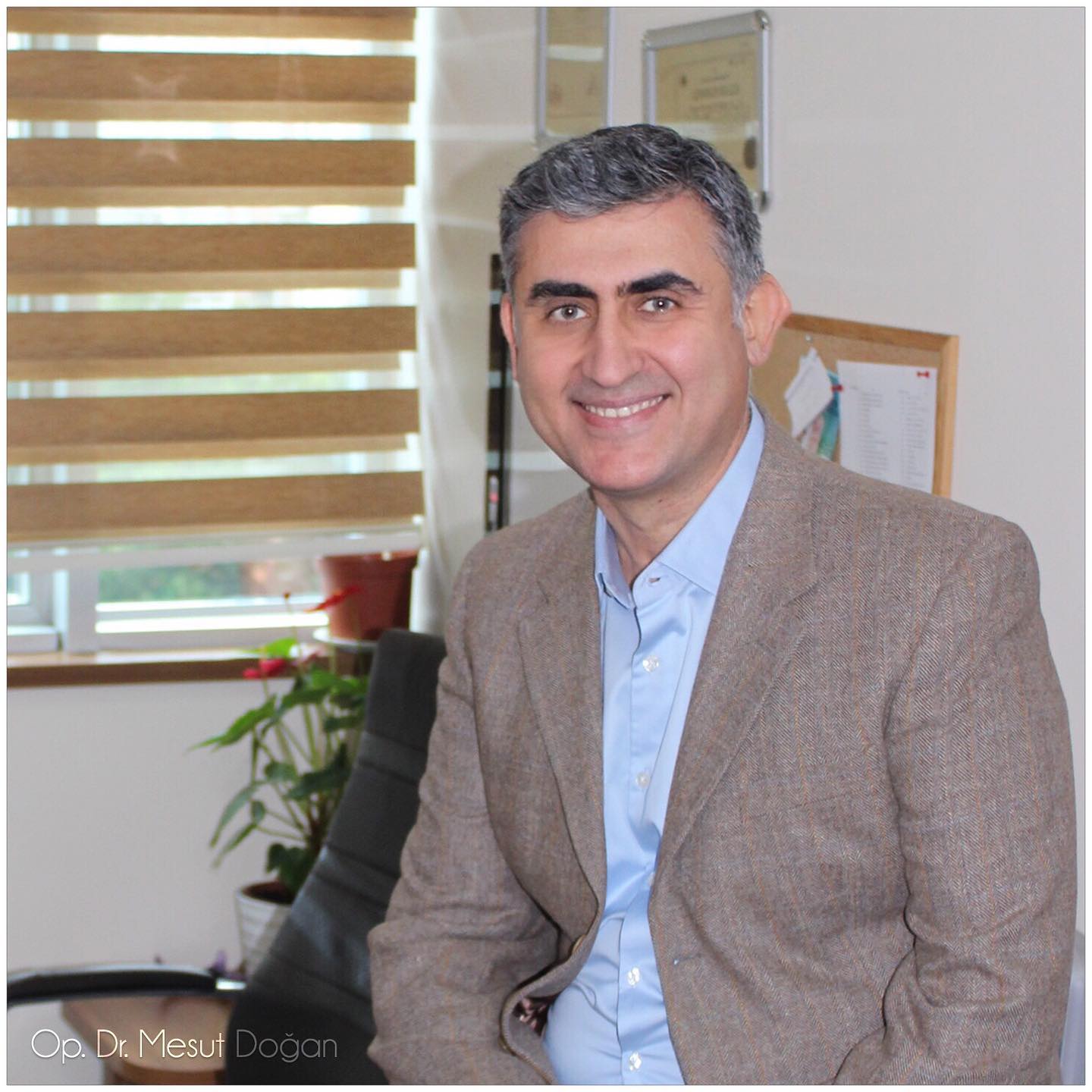
Dr. Dogan sees UK patients for consultations and follow-up in London and performs rhinoplasty at a fully equipped private hospital in Istanbul. Read his biography.
This article is for general information only and is not a substitute for medical advice. Always follow the aftercare instructions given by your surgeon, and seek urgent medical help if you have serious symptoms.
