


How Long Should You Stay in Turkey After Rhinoplasty?
Most patients travelling from the UK stay in Istanbul for around seven days after rhinoplasty. In practice, that means arriving the day before surgery and flying home roughly a week later, once the external nasal splint has been removed and your surgeon has confirmed that early healing is on track. Some patients need a few extra days, and it is worth planning for that possibility from the start.
This guide explains what happens on each day of your stay, why leaving too early is a bad idea, and which factors can make your stay longer.
- Plan to arrive at least one day before surgery for pre-operative checks.
- Book your return flight for around day seven, and choose a ticket you can change.
- Some patients stay up to ten days or more, depending on the surgery and how they heal.
Why the Stay Is Around a Week
The length of your stay is not arbitrary. It is shaped by three things your surgeon needs to see before you travel.
1. The splint needs to come off
An external splint protects the new shape of your nose and is usually removed between day five and day seven. Removing it in Istanbul means Dr. Dogan can examine the nose directly and give you specific instructions for the weeks ahead.
2. Early healing needs checking
The first week is when most early issues, such as unusual bleeding or signs of infection, would show up. Staying close to the hospital means any concern can be assessed in person by the team that operated on you.
3. Flying too soon raises risk
Surgery and long periods of sitting both increase the risk of blood clots. The NHS recommends avoiding flights for 7 to 10 days after facial cosmetic procedures. Your surgeon confirms your individual fitness to fly.
A Typical Day-by-Day Timeline
Every patient is different, but most stays follow a pattern similar to this:
| Day | What usually happens |
|---|---|
| Arrival day | Fly to Istanbul, settle into your accommodation and rest. |
| Day before surgery | Pre-operative tests, anaesthetic review and a final planning meeting with Dr. Dogan. |
| Day 0 (surgery) | Rhinoplasty under general anaesthesia, followed by an overnight hospital stay. |
| Day 1 | Discharge from hospital with medication and written aftercare instructions. |
| Days 2 to 4 | Rest at your accommodation with your head elevated. Swelling and bruising usually peak in the first 48 to 72 hours, then start to ease. |
| Days 5 to 7 | Splint removal and a post-operative check. You see the new shape of your nose for the first time, although it is still swollen. |
| Around day 7 | If healing is progressing well and you have been cleared to travel, you fly home. |
What Can Make Your Stay Longer?
A longer stay is not a sign that something has gone wrong. It simply reflects the scope of surgery and how your body responds. Factors that can extend the time you spend in Istanbul include:
- More extensive surgery: revision rhinoplasty, significant structural work or cartilage grafting can mean a slower early recovery.
- Combined functional surgery: correcting a deviated septum or other breathing problems at the same time may require additional checks.
- Swelling and bruising: some people simply bruise and swell more than others.
- Thicker skin: thicker nasal skin often takes longer to settle.
- Your general health: certain medical conditions or medications may call for a more cautious approach to flying.
- Your onward journey: if you have a long connection or a long drive at the UK end, your surgeon may suggest an extra day or two of rest first.
Is It Ever Possible to Leave Earlier?
Patients sometimes ask whether they can fly home after three or four days to save on time off work. Leaving before the splint has been removed and before the first post-operative check is not recommended. It means the early assessment of your nose happens without the surgeon, and it brings your flight closer to surgery than current NHS guidance suggests. A few extra days in Istanbul is a small investment compared with the months you will spend enjoying the result.
How to Make the Most of Your Recovery Days
Recovery days in Istanbul are for resting, not sightseeing. To make them comfortable:
- Choose quiet accommodation close to the hospital, ideally with a lift and easy access to food delivery.
- Bring comfortable clothes that button or zip at the front, so you do not pull anything over your face.
- Pack an extra pillow or a wedge pillow to keep your head raised while you sleep.
- Keep well hydrated and take short, gentle walks to keep your circulation moving.
- Avoid alcohol, smoking, hot baths, saunas and direct sun.
- Bring books, downloaded films or light work you can do from bed.
Not sure how long you should plan to stay?
Your consultation in London gives you a realistic timeline for your surgery.Planning Your Trip Around the Surgery
- Flexible return flight: a changeable ticket gives you room to stay a day or two longer if advised.
- Time off work: most people return to desk-based work within seven to ten days of surgery. Including travel, plan for around two weeks away.
- Companion: having someone with you for the first few days makes everyday tasks easier.
- Follow-up at home: because Dr. Dogan’s post-operative reviews take place in London, you do not need to plan a second trip to Istanbul for routine check-ups.
For a broader overview of the whole process, read our guide to rhinoplasty in Turkey for UK patients. To learn about the procedure, recovery stages and results in more depth, visit our main rhinoplasty in Istanbul page.
Frequently Asked Questions
How many days after rhinoplasty can I fly from Turkey to the UK?
Do I need to stay in hospital for the whole week?
Can I work remotely while I recover in Istanbul?
What if I am not ready to fly on my planned date?
Will I look normal when I fly home?
Plan your stay with confidence
Every recovery plan starts with a proper face-to-face assessment.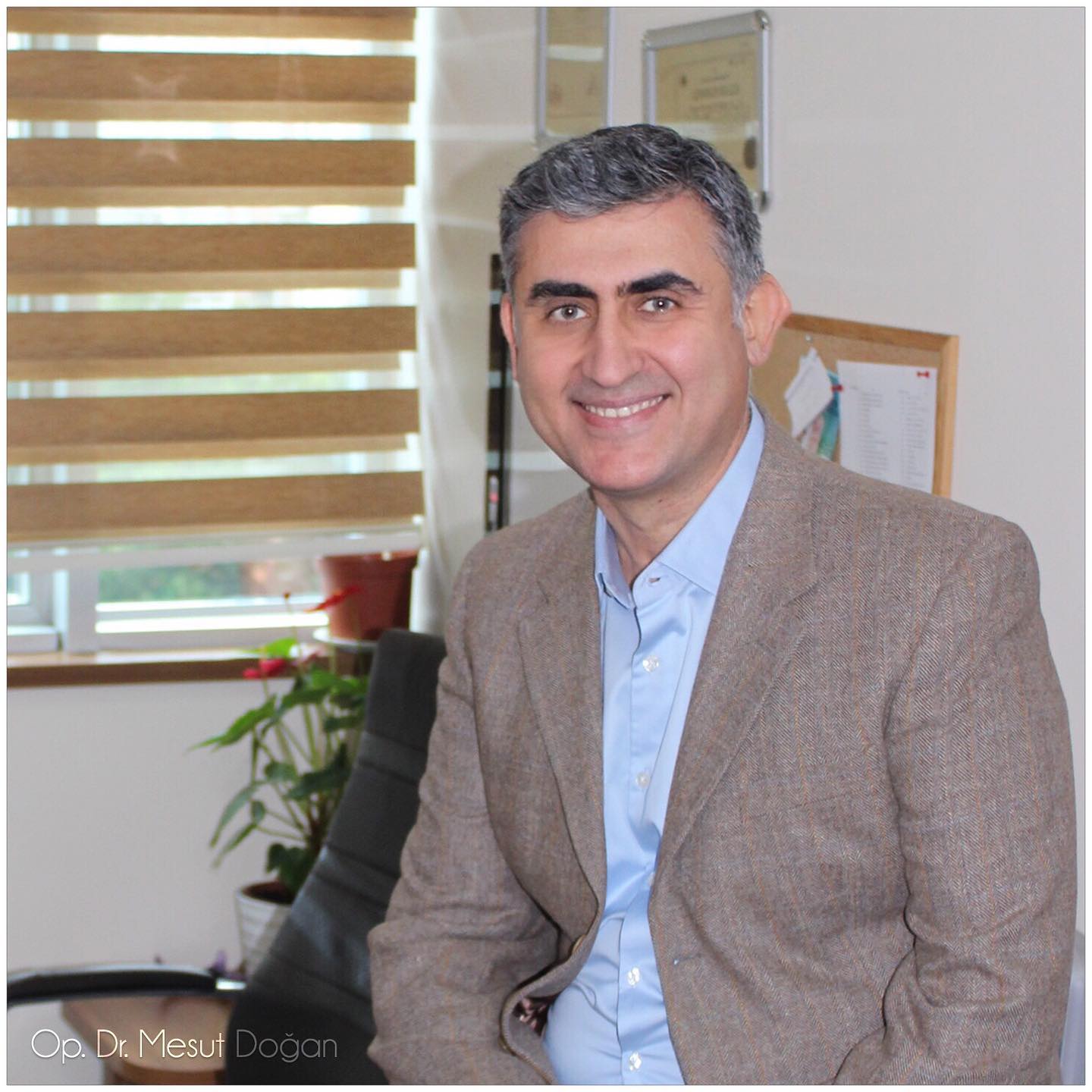
Dr. Dogan sees UK patients for consultations and follow-up in London and performs rhinoplasty at a fully equipped private hospital in Istanbul. Read his biography.
This article is for general information only and is not a substitute for medical advice. Your individual recovery timeline and fitness to fly will be confirmed by your surgeon.
