


Rhinoplasty Recovery Timeline: Week by Week Guide

Most people return to desk-based work within seven to ten days of rhinoplasty, visible bruising usually fades within two to three weeks, and normal exercise is typically resumed around six weeks. The nose keeps refining for much longer, though: residual swelling, especially at the tip, can take twelve to eighteen months to settle completely. This guide walks through the rhinoplasty recovery timeline week by week, so you know what is normal at each stage.
For an overview of the operation itself, see our main rhinoplasty in Turkey page.
- The first week is the hardest: swelling and bruising peak in the first 48 to 72 hours, then ease.
- The external splint usually comes off between day five and day seven, when you first see your new nose.
- Most visible changes happen in the first three months, but the tip keeps refining for a year or more.
- Every nose heals at its own pace. Skin thickness and the extent of surgery both affect the timeline.
Rhinoplasty Recovery Timeline at a Glance
| Stage | What usually happens |
|---|---|
| Day 0 to 1 | Surgery under general anaesthesia and usually one night in hospital. A splint protects the nose. |
| Days 2 to 4 | Swelling and bruising are at their peak. Rest with your head raised. |
| Days 5 to 7 | Splint removal and first check. The new shape is visible, but swollen. |
| Week 2 | Most people feel much better and return to desk-based work. |
| Weeks 2 to 3 | Visible bruising fades for most patients. |
| Weeks 4 to 6 | Gradual return to normal activity; strenuous exercise around week six, once cleared. |
| Months 3 to 6 | Swelling continues to reduce and the nose looks more defined. |
| Months 12 to 18 | Remaining tip swelling settles and the final result appears. |
Rhinoplasty Recovery Week by Week
- 1
Week 1: rest, swelling and splint removal
Rhinoplasty is performed under general anaesthesia, and most patients stay in hospital for one night. You go home with a splint on the outside of the nose. Where internal support is needed, thin silicone splints are often used instead of traditional dense packing, which allows most patients to breathe through the nose from the first night.
Swelling and bruising around the nose and eyes are usually most noticeable in the first 48 to 72 hours. The focus this week is rest, keeping your head raised, avoiding bending and straining and not blowing your nose. Between day five and day seven the external splint is removed and you see your new nose for the first time, still swollen.
- 2
Week 2: back to everyday life
Most people feel much more like themselves by now. Many return to desk-based work within seven to ten days of surgery. Bruising is fading, although some yellowish discolouration can remain. The nose may still feel blocked and the tip may feel firm or numb, which is normal.
- 3
Weeks 3 to 4: looking more like yourself
Visible bruising usually fades within two to three weeks. Friends and colleagues are unlikely to notice you have had surgery unless you tell them, although you will still see swelling yourself, particularly across the bridge and at the tip. Gentle walking is encouraged; strenuous exercise is not yet.
- 4
Weeks 5 to 6: returning to exercise
Most patients are cleared to resume exercise around the six-week mark. Start gradually and build up. Contact sports and activities with a risk of facial impact need longer, and your surgeon will tell you when they are safe.
- 5
Months 2 to 6: the shape becomes clearer
Swelling continues to go down gradually. The nose looks more refined month by month, and breathing usually improves as the internal swelling settles. It is normal for the nose to look slightly different in the morning than in the evening.
- 6
Months 6 to 18: the final result
The last of the swelling, mostly at the tip, settles slowly. Patients with thicker nasal skin often have a longer timeline, because the skin takes more time to adapt to the new framework underneath. By twelve to eighteen months the result is very close to final.
Want a recovery plan for your nose?
Your consultation includes a realistic, personal recovery timeline.What Affects How Fast You Recover?
Extent of surgery
A small tip refinement usually settles faster than a full structural rhinoplasty or a revision.
Skin thickness
Thicker nasal skin holds swelling for longer, especially at the tip.
Following aftercare advice
Head elevation, avoiding strain, not smoking and protecting the nose all support smoother healing.
Your general health
Good sleep, hydration and a balanced diet help your body heal.
Tips for a Smoother Recovery
- Sleep with your head raised for the first weeks.
- Do not blow your nose until your surgeon says it is safe.
- Avoid heavy lifting, bending and strenuous exercise until cleared.
- Do not smoke or vape, and limit alcohol in the early weeks.
- Protect your nose from knocks and strong sun.
- Keep every follow-up appointment.
For more detail on swelling, read how long does swelling last after rhinoplasty? For a checklist of what to avoid, see what not to do after rhinoplasty.
When to Contact Your Surgeon
- bleeding that does not stop with gentle pressure;
- increasing pain, redness or warmth around the nose;
- a high temperature;
- breathing that gets worse rather than better.
If you had surgery in Istanbul and live in the UK, our guide to rhinoplasty aftercare in the UK explains who to contact once you are home.
Frequently Asked Questions
How long is the recovery after rhinoplasty?
What is the worst day after rhinoplasty?
When will my nose look normal after rhinoplasty?
How long after rhinoplasty can I go back to work?
Can I speed up rhinoplasty recovery?
Planning your rhinoplasty?
Meet Dr. Dogan in London and get a clear plan for surgery and recovery.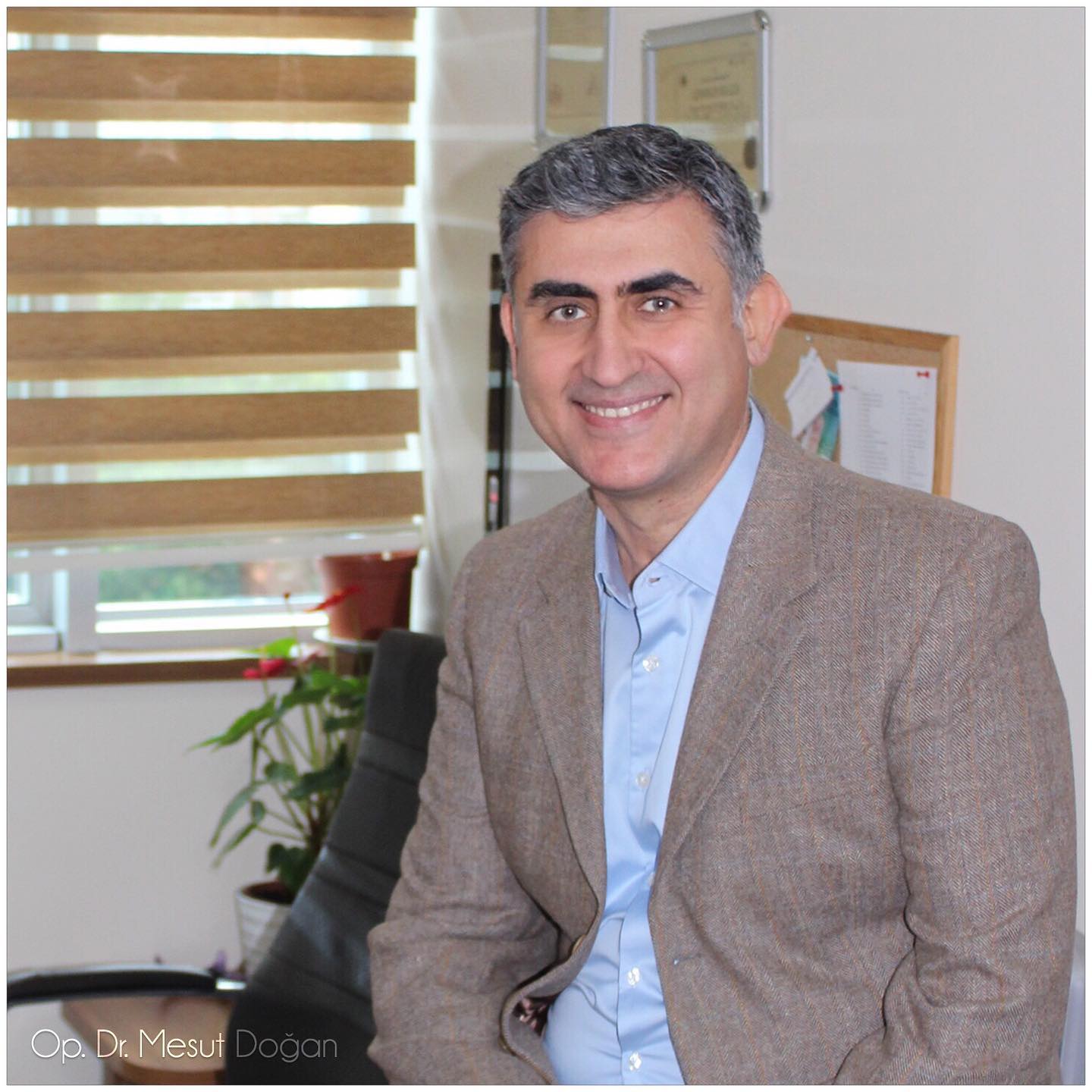
Dr. Dogan sees UK patients for consultations and follow-up in London and performs rhinoplasty at a fully equipped private hospital in Istanbul. Read his biography.
This article is for general information only and is not a substitute for medical advice. Recovery varies between patients; always follow the instructions given by your surgeon.
