


How To Prepare For Rhinoplasty In Istanbul
Knowing how to prepare for rhinoplasty in Istanbul makes the whole trip calmer and supports a smoother recovery. For UK patients, preparation has two parts: getting your body ready for surgery, and getting the practical details of travel, time off and recovery in place. This guide takes you through both, from the weeks before your operation to the day you arrive in Istanbul.
If you are still deciding whether surgery abroad is right for you, start with our guide to rhinoplasty in Turkey for UK patients. For the procedure itself, see our main rhinoplasty in Turkey page.
- Your preparation starts with a face-to-face consultation in London, where your surgical plan and medical history are reviewed.
- Follow your surgeon’s instructions on smoking, alcohol, medication and supplements in the weeks before surgery.
- Book flexible travel, quiet accommodation and enough time away from work.
- Pack for recovery, not for a holiday.
How to Prepare for Rhinoplasty in Istanbul: Your Timeline
- 1
Six to eight weeks before: consultation and planning
Your preparation begins at your consultation with Dr. Dogan in London. Your nose is examined, your goals are discussed and a surgical plan is agreed. This is also when your medical history is reviewed, so bring a list of any conditions, previous operations, allergies and medications. Read what to expect in our guide to a rhinoplasty consultation in London.
- Agree a surgery date that leaves you enough time to prepare.
- Book a changeable return flight and accommodation close to the hospital.
- Request time off work: around two weeks in total is sensible for most people.
- Ask what is included in your treatment fee and what insurance cover is in place.
- 2
Four weeks before: lifestyle changes
- Stop smoking and vaping as early as you can and follow your surgeon’s advice on timing. Smoking reduces blood flow to healing tissue and increases the risk of complications.
- Review medication and supplements with your surgeon. Some painkillers and supplements can increase bleeding. Do not stop any prescribed medication without medical advice.
- Look after your general health: eat well, stay active and try to avoid catching a cold close to your surgery date.
- Arrange help at home for the first days after you return, if you have children, pets or a physically demanding routine.
- 3
Two weeks before: confirm the details
- Confirm your surgery date, arrival time and pre-operative appointments.
- Check your passport validity and the latest entry requirements on the GOV.UK travel advice for Turkey.
- Arrange specialist medical travel insurance if you have decided to take it. The UK Global Health Insurance Card is not valid in Turkey.
- Tell your GP about your plans, as UK guidance recommends.
- Limit alcohol and follow any specific instructions you have been given.
- 4
The week before: pack and prepare your home
Pack using the checklists below, and prepare your home for your return: a wedge pillow or extra pillows, simple meals in the freezer and a clear space to rest. If anything changes in your health, such as a cold, a new medication or a skin infection near the nose, let the team know before you travel.
- 5
The day before surgery: arrive and check in
Most UK patients arrive in Istanbul the day before surgery. You will have pre-operative assessments, usually including blood tests and an anaesthetic review, and Dr. Dogan will see you to confirm the plan. Follow the fasting instructions you are given for the night before the operation.
Ready to start planning?
Your preparation begins with a consultation with Dr. Dogan in London.What to Pack
Documents
- Passport and travel documents
- Insurance details
- List of medications and allergies
- Any relevant medical letters or scans
- Contact details for your care team
Recovery essentials
- Tops that button or zip at the front
- A travel pillow and, if possible, a wedge pillow
- Lip balm, as you will breathe through your mouth at times
- Soft tissues and gauze
- Sunglasses and a cap for the journey home
Comfort
- Downloaded films, books or audiobooks
- Phone charger and adaptor for Turkish sockets
- Slip-on shoes
- A refillable water bottle
Leave at home
- Heavy glasses, if you can manage with contact lenses for a few weeks
- Plans for sightseeing straight after surgery
- Anything you would need to lift above your head
Practical Planning for UK Patients
Choosing accommodation
Choose somewhere quiet, close to the hospital, with a lift and easy access to food delivery. You will spend most of your time resting, so comfort matters more than location for sightseeing.
Travelling with a companion
A companion is not essential, but having someone with you for the first few days helps with meals, prescriptions and luggage. If you travel alone, let the team know so they can make sure you have the support you need.
Money and phone
Check how your bank card works abroad and whether your mobile plan includes roaming in Turkey, so you can stay in touch with the care team on WhatsApp.
Preparing Mentally for Recovery
The first week after rhinoplasty can feel slow. Swelling and bruising usually peak in the first 48 to 72 hours, and the nose will still be swollen when the splint comes off. Knowing this in advance helps. Your result continues to refine for twelve to eighteen months, so try to judge it by the long-term picture rather than the first few weeks.
Read ahead: our guides on how long to stay in Turkey, flying back to the UK and aftercare in the UK walk you through what comes after the operation.
Frequently Asked Questions
How far in advance should I plan rhinoplasty in Istanbul?
Do I need to stop smoking before rhinoplasty?
Which medications should I avoid before surgery?
When should I arrive in Istanbul?
Can I travel to Istanbul alone?
Plan your rhinoplasty with confidence
Get a clear, personal preparation plan from your first consultation.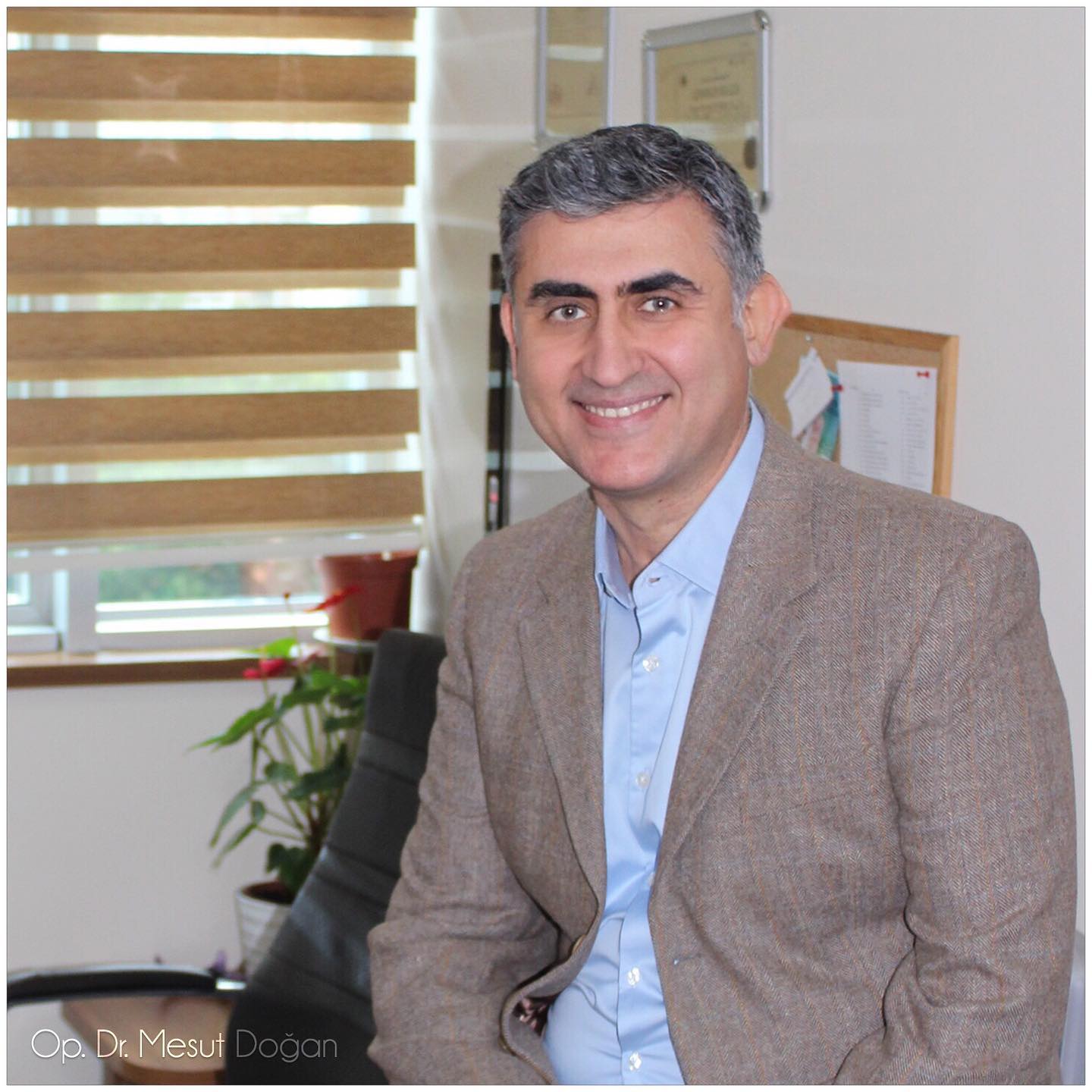
Dr. Dogan sees UK patients for consultations and follow-up in London and performs rhinoplasty at a fully equipped private hospital in Istanbul. Read his biography.
This article is for general information only and is not a substitute for medical advice. Always follow the specific pre-operative instructions given by your surgeon.
