


Flying Back to the UK After Rhinoplasty: What Patients Should Know
For UK patients who have rhinoplasty in Istanbul, the flight home is the final step of the trip and one of the most common sources of worry. The good news is that with sensible timing and a little preparation, the journey is usually straightforward. The flight from Istanbul to London takes roughly four hours, and most patients travel around a week after surgery, once the splint has been removed and their surgeon has confirmed they are fit to fly.
This guide covers when it is safe to fly, how to reduce the risks of air travel after surgery, what to pack, and what to look out for once you are home.
- Do not book a flight for the first few days after surgery. Most patients fly around day seven.
- Your surgeon should check your nose and confirm you are fit to fly before you travel.
- Reducing blood clot risk is the main priority: stay hydrated, move regularly and avoid alcohol.
- Protect your nose from bumps in crowded airports and on the plane.
- Keep medication, aftercare instructions and your surgeon’s contact details in your hand luggage.
When Is It Safe to Fly After Rhinoplasty?
The NHS recommends avoiding flights for 7 to 10 days after facial cosmetic procedures, because both surgery and air travel increase the risk of blood clots. In Dr. Dogan’s practice, UK patients usually stay in Istanbul for around a week, so that:
- the external splint can be removed, usually between day five and day seven;
- the nose can be examined in person after splint removal;
- any early bleeding or swelling concerns can be dealt with before you travel.
The right date for you depends on the extent of your surgery and how you are healing, so treat any booking as provisional until you have been cleared to fly. Read more in our guide on how long to stay in Turkey after rhinoplasty.
What Happens to Your Nose During a Flight?
Cabin pressure and swelling
Pressure changes during climb and descent can create a feeling of fullness in the nose and sinuses, which may feel stronger while the nose is still swollen. It is usually uncomfortable rather than harmful and eases after landing.
Dry cabin air
Aircraft cabins are dry, which can make the inside of the nose feel crusty. Drink water regularly and, if your surgeon has recommended a saline spray, keep it in your hand luggage.
Minor spotting
Light blood-tinged discharge can happen in the early days. Tilt your head slightly forward, breathe through your mouth and dab gently. Heavy or continuous bleeding needs medical attention.
To help with pressure during take-off and landing:
- Swallow, sip water or yawn gently to help your ears equalise.
- Do not blow your nose or pinch it to clear your ears.
- Only use a nasal decongestant spray if your surgeon has specifically told you it is safe.
Reducing the Risk of Blood Clots
Deep vein thrombosis (DVT) is a blood clot in a deep vein, usually in the leg. The risk is higher after surgery and during long periods of sitting. A four-hour flight is relatively short, but these steps are still worth taking:
- Choose an aisle seat so you can get up and walk easily.
- Move regularly: walk the aisle when it is safe to do so and flex your ankles and calves while seated.
- Stay hydrated with water throughout the journey.
- Avoid alcohol and sleeping tablets, which can make you less mobile and more dehydrated.
- Wear compression stockings if your surgeon or doctor recommends them.
- Wear loose, comfortable clothing that does not restrict circulation.
Protecting Your Nose at the Airport and on Board
Airports are busy places, and an accidental knock is the last thing you want in the first weeks after surgery.
- Travel with a companion if possible, so you do not have to lift heavy bags.
- Use a trolley or ask for assistance rather than lifting luggage into overhead lockers yourself.
- Keep a little distance in queues and crowded areas.
- Use a travel pillow to keep your head upright if you doze.
- Avoid resting glasses on your nose unless your surgeon has shown you a safe way to wear them.
- If you use an eye mask, choose one that does not press on the bridge of the nose.
What to Pack in Your Hand Luggage
- All prescribed medication, in its original packaging, with enough to cover any travel delays.
- Your written aftercare instructions and a summary of the operation.
- Your surgeon’s contact details, including the WhatsApp number used by your care team.
- Saline spray, if recommended by your surgeon.
- Soft tissues, gauze and a small mirror.
- A refillable water bottle, filled after security.
- A travel pillow and a light layer of clothing.
- Sunglasses and a cap, if you would like to feel more comfortable about visible swelling or bruising.
A note on painkillers: keep pain relief to what has been prescribed. Many surgeons advise avoiding aspirin and some anti-inflammatory painkillers after rhinoplasty because they can increase bleeding, so do not take anything new without checking first.
The First 48 Hours After Landing
Travel can be tiring, so plan to rest when you get home. Keep your head elevated when lying down, continue to follow your aftercare instructions and avoid going straight back to work or the gym. Some extra swelling the day after a flight is common and usually settles with rest.
Your follow-up appointments with Dr. Dogan take place in London, so the next stage of your recovery is close to home. Our guide to rhinoplasty aftercare in the UK explains what to expect over the following weeks and months.
Warning Signs to Act On
Contact your surgeon’s team promptly if you notice increasing pain, redness or warmth around the nose, a fever, or discharge that looks or smells unusual.
- heavy nosebleeding that does not stop with gentle pressure and leaning forward;
- pain, swelling, warmth or redness in one leg, especially the calf;
- sudden shortness of breath, chest pain or coughing up blood;
- difficulty breathing that is getting worse.
For urgent advice that is not an emergency, you can also contact NHS 111. Take your operation summary with you to any appointment.
Frequently Asked Questions
Can I fly home with the splint still on?
Will flying affect my rhinoplasty result?
Is it safe to fly alone after rhinoplasty?
Can I sleep on the plane?
Do I need a fit-to-fly letter?
Travel home with a plan
Discuss your surgery, recovery and travel dates with Dr. Dogan in London.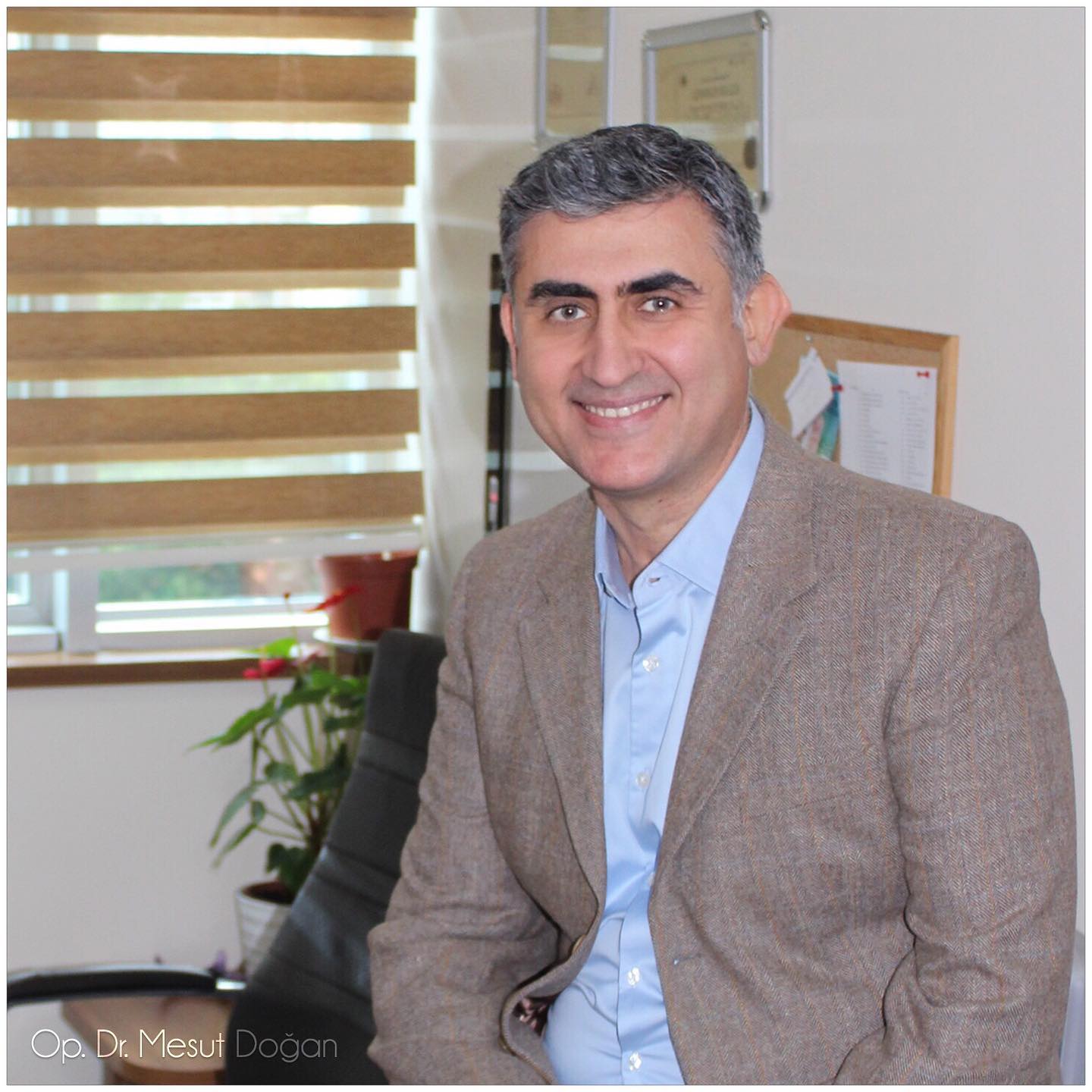
Dr. Dogan sees UK patients for consultations and follow-up in London and performs rhinoplasty at a fully equipped private hospital in Istanbul. Read his biography.
This article is for general information only and is not a substitute for medical advice. Always follow the specific instructions given by your surgeon.
