


Nose Surgery Without Tampons in Turkey
What Is Tampon-Free Nose Surgery & Why Does It Matter?
Nasal tampons, or nasal packing, are materials placed inside the nasal cavity at the end of a rhinoplasty or septoplasty procedure to control post-operative bleeding and support healing tissues. For decades, dense traditional packing was standard practice after nasal surgery, and it was consistently cited by patients as the most uncomfortable aspect of recovery: complete nasal obstruction, difficulty swallowing, disrupted sleep, and the anticipation of removal.
Tampon-free nose surgery refers to the use of modern surgical techniques and materials that either eliminate nasal packing entirely or replace it with thin, breathable silicone splints that allow airflow through the nose from the first night after surgery. This is made possible by advances in haemostatic technique, suturing methods, and the development of silicone septal splints that provide structural support without obstructing the airway.
The result for patients is a recovery that is significantly more comfortable than the generation of nasal surgery that preceded it. Breathing through the nose is possible from the first post-operative day. The anxiety that prevented many patients from considering nasal surgery is substantially reduced. For UK patients considering rhinoplasty or septoplasty in Istanbul, this is the current standard of care at Private Aile Hospital, not an optional upgrade.
Traditional Packing vs. Modern Approach
Understanding the difference between old and new approaches to post-operative nasal management helps patients set accurate expectations for their recovery.
Dense gauze or foam material compressed inside both nasal passages. Completely blocks the nasal airway, forcing mouth breathing for several days post-operatively.
Associated with significant discomfort during the packing period and anxiety around removal, which patients described as one of the most unpleasant experiences of recovery.
Remained standard because it reliably controlled bleeding in an era before the suturing techniques and haemostatic technologies available today.
Thin silicone septal splints with a central airway channel, or suture-only closure of the septal mucosa, that maintain structural support while allowing nasal breathing from the first post-operative night.
In many rhinoplasty cases, particularly those not involving the septum, no internal support is required at all beyond careful wound closure. The external splint provides the stability needed during the first week of healing.
Enabled by improved haemostatic technique during surgery, advanced suturing methods, and a better understanding of which cases genuinely require internal support and which do not.
Benefits of Tampon-Free Nose Surgery
Eliminating or minimising traditional nasal packing changes the recovery experience in several meaningful ways.
Silicone splints with airway channels, or tampon-free closure, allow patients to breathe through the nose from the first post-operative night. This alone represents a fundamental improvement in recovery comfort.
The pressure and sense of obstruction associated with traditional packing is absent. Pain in the post-operative period is typically manageable with standard oral analgesics.
Being able to breathe through the nose during sleep in the first post-operative days substantially improves rest, which directly supports healing.
Silicone splints, when used, are thin and smooth. Removal is significantly more comfortable than traditional packing. Many patients report minimal discomfort at the splint removal appointment.
The combination of less discomfort and nasal breathing from the first day means most patients feel well enough to return to desk-based work by day five to seven.
The fear of post-operative packing discomfort has historically led many patients to delay or avoid nasal surgery. Modern tampon-free approaches address this barrier directly.
When Is Some Degree of Packing Still Needed?
Honesty about this is important. Not every nasal procedure can be performed entirely without internal support. The decision depends on the specific surgery performed, the bleeding characteristics encountered during the procedure, and the degree of structural support required during the early healing period.
For rhinoplasty without septal work, internal packing is often not required at all. The external splint provides the stability needed and wound closure within the nostrils is sufficient to support healing. For septoplasty or septorhinoplasty, thin silicone septal splints are commonly placed to support the corrected septum in its new midline position and prevent the formation of haematoma between the septal leaflets. These splints have a central tube that allows nasal airflow, making them fundamentally different from traditional packing in terms of patient experience.
In cases where intra-operative bleeding is more significant than anticipated, or where the internal anatomy requires additional support, some degree of packing may still be placed. The approach is always to use the minimum that is clinically necessary rather than routinely packing every case as a precaution.
Have questions about what to expect from your recovery?
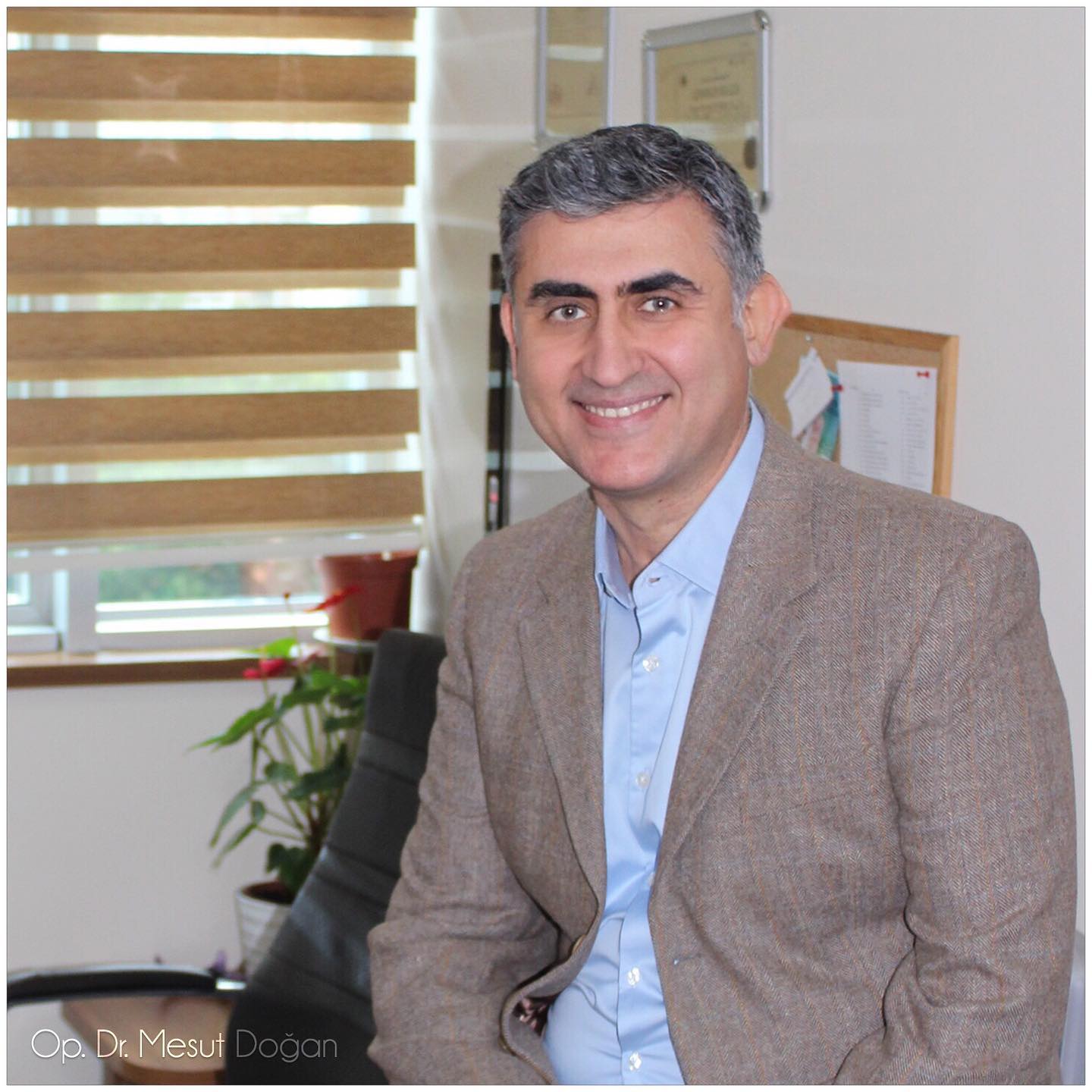
Discuss your specific procedure with Dr. Dogan in person. London consultation available.Your Surgical Journey in Istanbul
Whether you are having rhinoplasty, septoplasty, or a combined procedure, the approach to post-operative nasal management is determined as part of the surgical plan established at your London consultation. For London-based patients, the pre-operative assessment takes place in London before you travel to Istanbul, so the full surgical plan, including the expected post-operative course, is established before surgery.
All procedures are performed under general anaesthesia at Private Aile Hospital in Istanbul. At the conclusion of surgery, the decision about internal support, whether no packing, silicone splints with airway channels, or another configuration, is made based on what was done during the procedure. For most rhinoplasty patients, the first post-operative night is in hospital, after which most patients can breathe through the nose and report comfort levels significantly better than they had anticipated.
For septoplasty patients, thin silicone splints are typically in place for five to seven days and removed at Private Aile Hospital before you return to London. The removal appointment is brief and generally comfortable. Post-operative follow-ups are then conducted in London.
Recovery After Tampon-Free Nose Surgery: A Realistic Timeline
The recovery experience following modern tampon-free rhinoplasty or septoplasty is substantially more comfortable than the preceding generation of nasal surgery. The timeline varies depending on the specific procedure performed.
1
Unlike recovery following traditional packing, patients can breathe through the nose from the first post-operative night. Sleep quality is significantly better than patients typically anticipate. Most describe mild discomfort rather than pain, well managed with prescribed medication.
5–7
The external nasal splint and any internal silicone supports are removed at Private Aile Hospital before your return to London. Removal is brief and significantly more comfortable than traditional packing removal. Return to desk-based work is possible for most patients from this point.
1–2
Most patients return to their normal daily routine within the first two weeks. Visible bruising, if present, resolves during this period. Your first London follow-up appointment falls here.
6
Physical activity resumes with appropriate precautions. The nasal shape is close to its final result. A second London follow-up is scheduled around this milestone.
result
Septoplasty: full functional stabilisation at three to six months. Rhinoplasty: final aesthetic result at twelve to eighteen months as tip swelling resolves. Preservation rhinoplasty tends to stabilise earlier due to reduced tissue disruption.
Expert Perspective: Modern Packing as Standard, Not Premium
The shift away from traditional nasal packing is not a recent innovation. It reflects a gradual evolution in surgical technique over the past two decades, driven by better haemostatic methods during the procedure itself, improved wound closure techniques, and the development of silicone septal splints that provide the support the septum needs without obstructing the airway. For most rhinoplasty and septoplasty cases, traditional dense packing is simply no longer necessary.
What I find most significant about this change is the effect it has on patients who had previously avoided nasal surgery because of what they had heard about the recovery. The fear of post-operative packing, often described by older patients who experienced traditional methods, has discouraged many people from addressing problems, whether functional or cosmetic, that could have been corrected years earlier. When patients understand that modern recovery involves nasal breathing from the first night and silicone splint removal that takes a few minutes, many of those fears are substantially reduced.
I do want to be honest about one thing: there are cases where some degree of internal support is genuinely needed, and in those cases it is placed. The approach is not to promise a tampon-free experience universally and then be unable to deliver it. The approach is to use the minimum necessary and to default to the most comfortable option that is clinically appropriate for each procedure.
Is Tampon-Free Nose Surgery Safe in Turkey?
The techniques that enable tampon-free or minimally-packed rhinoplasty and septoplasty are well established in the surgical literature and widely practiced at accredited hospitals in Istanbul. The shift away from traditional packing is not an experimental departure from standard care. It is the natural progression of surgical technique as haemostatic methods and wound closure approaches have improved.
Private Aile Hospital operates to Western European standards in anaesthetic protocols, surgical facility quality, and post-operative monitoring. For patients travelling from the UK, the pre-operative consultation with Dr. Dogan takes place in London, and post-operative follow-ups are conducted in London, meaning the complete patient pathway does not require a return trip to Istanbul.
Nose Surgery Without Tampons: Cost in Turkey vs. London
Rhinoplasty and septoplasty using modern tampon-free or minimal-packing techniques with Dr. Dogan at Private Aile Hospital in Istanbul are priced at approximately half the London equivalent. The surgical fee includes hospital accommodation. The cost difference reflects Turkey’s lower operational overheads, not a difference in surgical technique, technology, or patient care.
For a detailed cost estimate based on your specific procedure and anatomy, this is best discussed during your London consultation.
Considering rhinoplasty, septoplasty, or septorhinoplasty? Our detailed procedure pages cover technique, candidacy, and recovery in full.
Rhinoplasty in TurkeyBreathing difficulties from a deviated septum? Septoplasty corrects the internal structure without changing the external appearance of the nose.
Septoplasty in TurkeyHave both functional and cosmetic concerns? Septorhinoplasty addresses both in a single procedure.
Septorhinoplasty in TurkeyFrequently Asked Questions
Functional rhinoplasty including septoplasty and turbinate reduction uses modern minimal-packing techniques.
Functional Rhinoplasty in TurkeyThe information on this page is provided for general informational purposes and does not constitute medical advice. Individual suitability for tampon-free nasal surgery depends on factors assessed during the procedure and can only be fully determined through a personal consultation and surgical planning. Outcomes vary between patients.
