


Septoplasty in Turkey
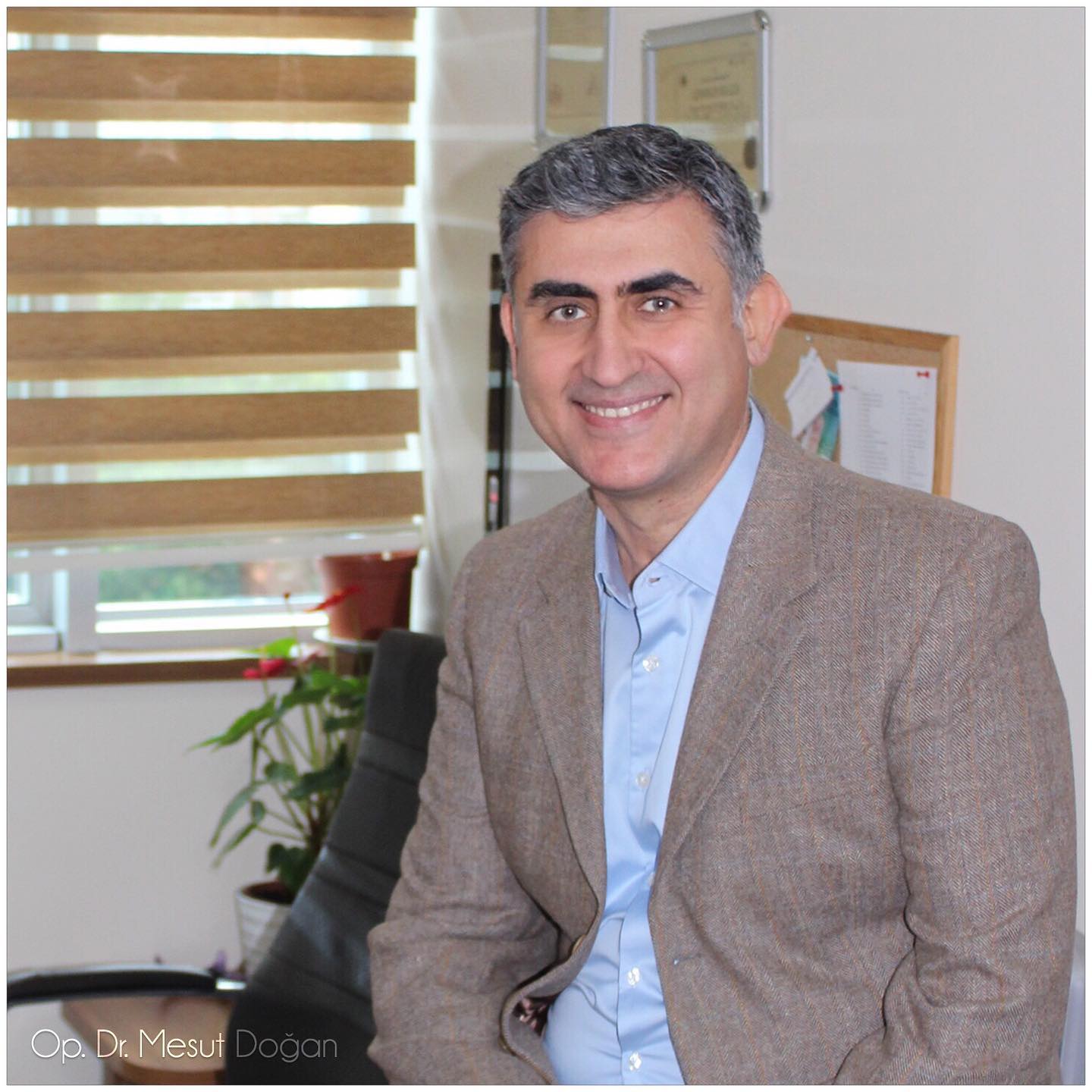
What Is Septoplasty & Why Have It in Turkey?
Septoplasty is a surgical procedure that corrects a deviated nasal septum, restoring normal airflow through the nose. The nasal septum is the wall of cartilage and bone that divides the nasal cavity into two passages. When it deviates significantly from the midline, one or both nasal passages are narrowed, restricting airflow and producing a range of symptoms that can substantially affect daily life, sleep quality, and physical performance.
Unlike rhinoplasty, septoplasty does not alter the external appearance of the nose. All incisions are placed within the nostrils, the internal septal anatomy is corrected, and the skin and cartilage framework of the external nose remain unchanged. Patients whose primary concern is breathing rather than appearance are candidates for septoplasty in isolation, though many choose to address cosmetic concerns at the same time through septorhinoplasty.
For patients in the UK, Istanbul has become an established destination for septoplasty, with accredited hospitals performing high volumes of functional nasal surgery to Western European standards. Dr. Dogan at Private Aile Hospital performs septoplasty at approximately half the London equivalent cost, with London pre-operative assessment and post-operative follow-up included in the patient pathway. For a broader overview, see our Rhinoplasty in Turkey page.
Symptoms of a Deviated Septum
A deviated septum does not always produce symptoms. Many people have some degree of septal asymmetry that causes no functional impairment. When the deviation is moderate to severe, however, the resulting airway restriction can affect breathing, sleep, and overall health in ways that are frequently underattributed to the septum.
Persistent difficulty breathing through one or both nostrils, often worse on one side. May alternate in severity due to the nasal cycle but does not fully resolve spontaneously.
Nasal obstruction forces mouth breathing during sleep, increasing the likelihood of snoring, dry mouth, and fragmented sleep. Some patients experience hypopnea or obstructive episodes related to nasal restriction.
A deviated septum can obstruct sinus drainage pathways, creating conditions that favour recurrent sinusitis. Patients with frequent sinus infections that do not respond fully to medication should have their nasal anatomy assessed.
Irregular airflow across a deviated septum dries the nasal mucosa unevenly, making the surface more susceptible to minor trauma and recurrent bleeding, particularly from the deviated side.
Nasal airflow accounts for a meaningful proportion of total respiratory capacity during moderate exercise. Patients with significant septal deviation often report a disproportionate sense of breathlessness during physical activity.
Impaired sinus ventilation associated with septal deviation can produce a sense of facial pressure or chronic headache, particularly around the forehead and cheekbones, that does not respond fully to analgesics.
Deviation Severity and Surgical Indication
Not every deviated septum requires surgery. The decision to proceed with septoplasty is based on the severity of the deviation, the degree of functional impairment it causes, and whether conservative management has been adequate. Understanding where a given case falls on this spectrum helps patients make informed decisions about timing.
Minor asymmetry causing no significant functional impairment. No intervention required. Monitoring for progression is appropriate if symptoms develop.
Noticeable restriction of airflow on the deviated side. Medical management with nasal corticosteroid sprays or decongestants may provide partial relief. Septoplasty indicated when symptoms are persistent and sufficiently disruptive despite conservative treatment.
Significant bilateral or unilateral obstruction causing meaningful impact on breathing, sleep, and quality of life. Medical management provides insufficient relief. Septoplasty is the appropriate intervention. Surgery is often combined with turbinate reduction, which commonly coexists with severe septal deviation.
Struggling to breathe through your nose despite medication?
Discuss your symptoms with Dr. Dogan in person. London consultation available.Your Septoplasty Journey in Istanbul
Septoplasty is performed under general anaesthesia at Private Aile Hospital in Istanbul, typically lasting between 45 minutes and one and a half hours. For London-based patients, the pre-operative assessment, including nasal endoscopy where indicated, takes place at your consultation in London before you travel. By the time you arrive in Istanbul, the anatomy has been fully assessed and the surgical plan is established.
All incisions are placed within the nostrils. There is no external incision and no external scar. The surgeon elevates the mucosal lining from one side of the septum and accesses the deviated cartilage and bone beneath. The structural corrections are then made: cartilage that is buckled or deflected is scored, repositioned, or partially resected to straighten it to the midline. Bony components of the deviation, typically in the posterior septum, are addressed with careful controlled resection of the deviated portions while preserving adequate structural support.
Throughout the procedure, enough cartilage is preserved to maintain the structural integrity of the nasal dorsum and tip. Aggressive over-resection of the septum is a recognised cause of post-operative complications including saddle nose deformity and columellar retraction. Conservative, targeted correction preserves function and avoids these outcomes.
Light internal silicone splints or soft packing are placed after the procedure to support healing. Most patients are discharged the following morning. Post-operative follow-ups are conducted in London.
Combining Septoplasty with Other Procedures
Septoplasty is frequently performed alongside other nasal procedures in the same operation. Combining them avoids multiple anaesthetics and multiple recovery periods.
Septoplasty with Turbinate Reduction
Inferior turbinate hypertrophy coexists with septal deviation in a large proportion of patients presenting with nasal obstruction. The deviated septum pushes against the turbinate on the more obstructed side, causing compensatory hypertrophy of the turbinate on the opposite side. Addressing both simultaneously produces more complete functional relief than septoplasty alone in these patients.
Septoplasty with Rhinoplasty (Septorhinoplasty)
Patients who have both breathing difficulties and cosmetic concerns can have both corrected in a single operation. The septal correction is planned first, and the cosmetic plan is built around it to ensure the structural support of the external nose is not compromised by internal corrections.
Have both breathing difficulties and cosmetic concerns? Septorhinoplasty addresses both in a single procedure.
Septorhinoplasty in TurkeyConcerned about nasal packing after septoplasty? Modern techniques mean most patients can breathe through the nose from the first post-operative night.
Nose Surgery Without TamponsRecovery After Septoplasty: A Realistic Timeline
Septoplasty has one of the faster recovery trajectories among nasal surgical procedures. Because the external nose is not altered and the degree of surgical disruption is relatively limited, patients return to normal activity more quickly than after rhinoplasty. The functional benefit, improved breathing, begins to emerge within the first two weeks as internal swelling resolves.
1–2
The nose feels blocked due to post-operative swelling and internal splints or packing. Discomfort is typically mild and well managed with prescribed pain relief. Breathing through the mouth is normal at this stage.
5–7
Internal splints are removed at Private Aile Hospital before your return to London. Most patients notice an immediate improvement in airflow at this point, though residual internal swelling means the full benefit is not yet apparent. Return to desk-based work is typically possible from this stage.
2–4
As internal swelling continues to resolve, the improvement in nasal airflow becomes increasingly clear. Most patients describe a meaningful difference compared to their pre-operative baseline during this period. Your first London follow-up falls here.
6
Physical activity, including sport, resumes with appropriate precautions. The nasal airway is largely stable by this point and the functional benefit is well established.
mo
Internal healing is complete. The corrected septal structures have stabilised and the full functional benefit is established. The external appearance of the nose is unchanged from the pre-operative baseline.
Expert Perspective: Septal Correction Done Conservatively
The principle I apply in septoplasty is that enough cartilage must always remain to maintain the structural support of the nose. The septum is not only a dividing wall. It provides support for the nasal dorsum and the columella. Aggressive resection of septal cartilage, particularly at the anterior septum, can lead to long-term complications including saddle nose deformity and loss of tip support. Conservative, targeted correction of the specifically deviated portions achieves the functional goal without creating structural problems that manifest years later.
The second principle is that septoplasty alone is often insufficient for patients whose obstruction has multiple contributing factors. A patient with significant septal deviation and co-existing inferior turbinate hypertrophy, which is very common, will experience incomplete relief if only the septum is corrected. Addressing both in the same operation takes marginally longer but produces a significantly more complete functional result. For London-based patients, identifying all the contributing factors at the pre-operative assessment means the surgical plan addresses everything that needs to be addressed in a single trip to Istanbul.
For patients who also have cosmetic concerns, the question of whether to combine with rhinoplasty is worth discussing openly. Doing both in one operation avoids a second anaesthetic and a second recovery. The combined procedure adds some complexity to the planning, but for patients who are bothered by both breathing and appearance, it is usually the more sensible approach.
Is Septoplasty Safe in Turkey?
Septoplasty is one of the most commonly performed ENT surgical procedures internationally, and Turkey has a long-established infrastructure for this type of functional nasal surgery. Accredited hospitals in Istanbul perform septoplasty to Western European standards in anaesthetic protocols, surgical technique, and post-operative care. Surgeons performing the procedure at these facilities complete ENT residency training equivalent to UK ENT programmes.
For patients travelling from the UK, the pre-operative assessment with Dr. Dogan takes place in London before any commitment to travel is made. Nasal endoscopy, where indicated, is performed at this appointment to characterise the full extent of the deviation and identify any coexisting conditions. Post-operative follow-ups are conducted in London, so the complete patient pathway from assessment to final review does not require a return trip to Istanbul.
Septoplasty Cost: Turkey vs. London
Septoplasty with Dr. Dogan at Private Aile Hospital in Istanbul is priced at approximately half the London equivalent for a procedure of comparable scope. The surgical fee includes hospital accommodation. The cost difference reflects Turkey’s lower operational overheads, not a difference in surgical standard, technique, or outcome quality.
For a detailed cost estimate based on your specific anatomy and whether additional procedures such as turbinate reduction are indicated, this is best discussed during your London consultation.
Frequently Asked Questions
Septoplasty is one component of functional rhinoplasty. Read our full functional rhinoplasty guide.
Functional Rhinoplasty in TurkeyThe information on this page is provided for general informational purposes and does not constitute medical advice. Individual suitability for septoplasty depends on factors that can only be assessed through a personal consultation, including nasal endoscopy where indicated. Outcomes vary between patients.
