


Male Rhinoplasty in Turkey
What Is Male Rhinoplasty & Why Have It in Turkey?
Male rhinoplasty is rhinoplasty planned and performed with an explicit understanding of male nasal anatomy and male aesthetic ideals. The surgical goals, the structural targets, and the definition of a successful result differ meaningfully between male and female patients. A nose that reads as refined and balanced on a female face may appear feminised or over-operated on a male face. Male rhinoplasty applies a different set of proportional references and a different philosophy of correction to avoid this outcome.
The number of men seeking rhinoplasty has grown steadily over the past decade, and the reasons are consistent. Nasal deformity following trauma from sport, fighting, or accidents is common in male patients. Breathing difficulties caused by a deviated septum or nasal valve problems motivate many men who would not otherwise consider cosmetic surgery. Others present with a dorsal hump, a wide nasal bridge, or asymmetry that has affected their confidence without any preceding injury. Male rhinoplasty addresses all of these presentations, with the surgical plan calibrated to the male facial structure in every case.
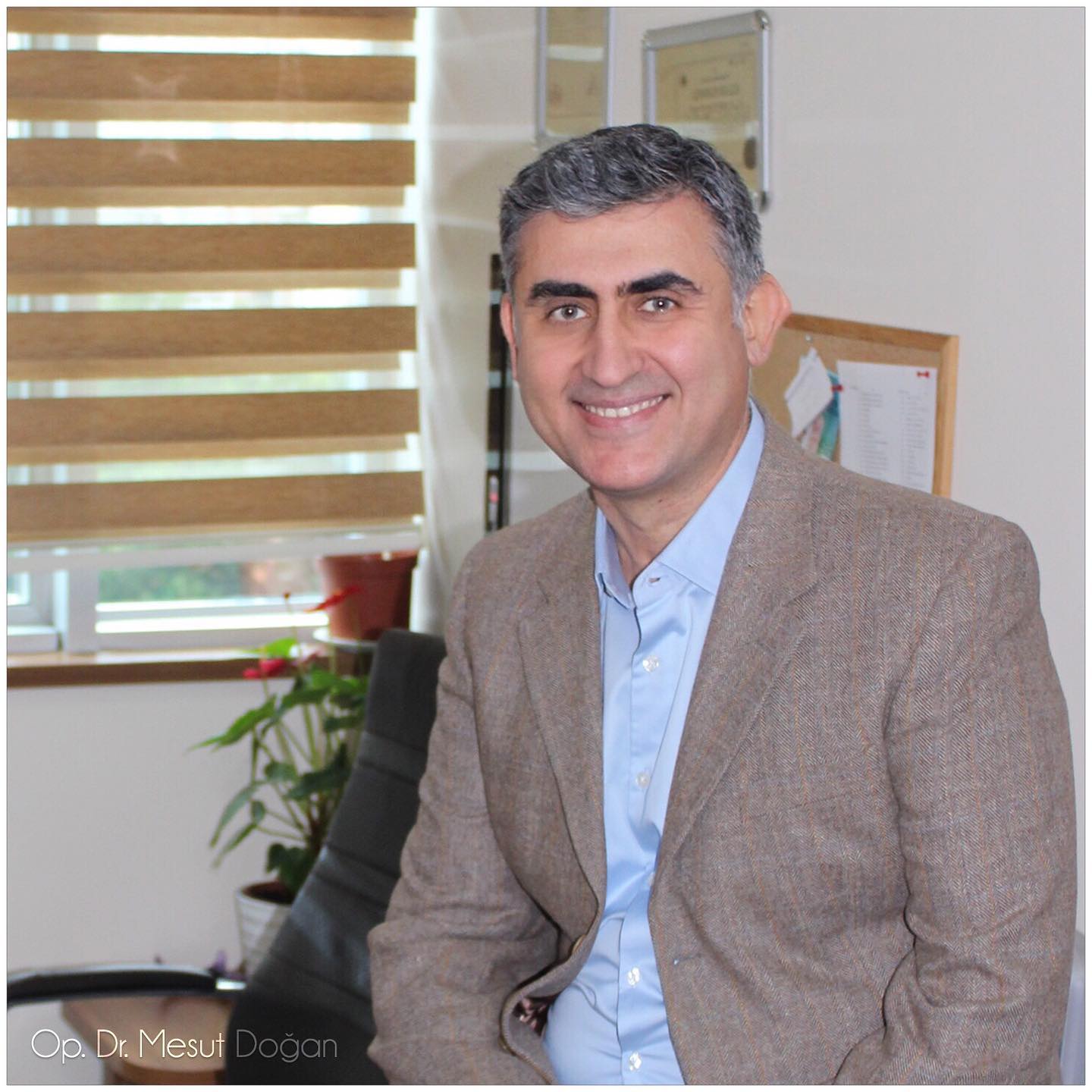
For patients in the UK, Istanbul has become the leading destination for male rhinoplasty, with surgeons performing a high volume of male-specific cases across all ethnic backgrounds. Dr. Dogan at Private Aile Hospital in Istanbul performs male rhinoplasty at approximately half the London equivalent cost, with no reduction in surgical standard or technology. For a broader overview, see our Rhinoplasty in Turkey page.
Male vs. Female Nasal Anatomy: Why It Matters Surgically
The anatomical differences between male and female noses are not subtle. They are structural and consistent, and they determine what constitutes a proportionate result on a male face. Planning male rhinoplasty without accounting for these differences is one of the most common causes of results that look feminised or operated on.
Straight or very slightly convex. A strong, flat bridge reads as masculine. Over-reduction of the dorsum, producing a concave or scooped profile, is one of the most visible signs of a feminised result in male patients.
Straight to mildly concave. A slight dorsal refinement is more acceptable aesthetically in female patients and does not produce the same feminising effect it would in a male patient.
Lower nasal tip rotation angle, typically 90 to 95 degrees from the upper lip. Upward rotation of the tip beyond this range produces a feminised, retrousse appearance that conflicts with masculine facial structure.
Higher tip rotation angle, typically 95 to 110 degrees. Upward rotation that would appear feminised in a male patient can be appropriate and aesthetically balanced in a female patient.
Proportionately larger relative to the face, with stronger structural definition. The male nose typically has greater projection, a wider base, and thicker skin than the female equivalent.
Proportionately smaller relative to facial dimensions, with softer structural definition. Greater reduction in overall size is generally more appropriate and aesthetically successful in female patients.
Common Concerns in Male Rhinoplasty Patients
Male patients present with a recognisable set of nasal concerns. Understanding which category or combination of categories applies to a specific patient determines the surgical approach.
A prominent ridge along the nasal bridge, with or without an associated trauma history. The most common cosmetic concern in male rhinoplasty patients. Correction must preserve the straight or minimally convex dorsal profile appropriate for male anatomy.
Nasal fracture from sport, physical altercation, or accident that has left external asymmetry, internal deviation, or both. Functional and aesthetic correction may be required simultaneously. Open technique is often necessary for complex post-traumatic cases.
Broad nasal bones producing a wide upper third. Osteotomies to narrow the nasal bones are a standard component of male rhinoplasty when bridge width is disproportionate to the facial structure.
Deviated septum, nasal valve collapse, or turbinate hypertrophy causing chronic nasal obstruction. Many male patients present primarily for functional correction rather than cosmetic improvement.
A bulbous, wide, or asymmetric nasal tip. Tip refinement in male patients requires conservative modification that maintains adequate tip size and projection appropriate for the male face.
Visible asymmetry of the nasal dorsum or tip, often following injury. Straightening a deviated nose in male patients typically requires both internal and external correction and is one of the more technically demanding presentations.
Want to discuss your specific nasal concern with Dr. Dogan?
Private in-person consultations in London before surgery in Istanbul.The Natural Result Principle in Male Rhinoplasty
The most common concern male patients express at consultation is the fear of an obvious or feminised result. This fear reflects a genuine risk that occurs when male rhinoplasty is planned without adequate understanding of male proportions, or when the surgeon applies the same aesthetic standards they use for female patients.
The goal of male rhinoplasty is not a smaller or more refined nose. It is a better version of the nose that belongs to this male face. The structural targets are derived from the patient’s own facial proportions: the width of the face, the height and depth of the forehead, the strength of the jaw and cheekbones. A result that integrates naturally into those proportions does not look operated on. It looks like the patient always had that nose.
In practical terms, this means several things. Dorsal reduction in male patients is conservative. The straight dorsal line appropriate for a male face leaves little margin for over-reduction. Tip rotation is planned to stay within the male anatomical range, avoiding upward projection that would conflict with the stronger features of the surrounding face. Overall size reduction is calibrated to improve proportion without producing a nose that looks out of scale with a male facial structure.
For patients from ethnic backgrounds where nasal proportions differ from Western male averages, the same principle applies with the relevant ethnic reference points. The goal is always the same: a result that looks natural on this specific face, not a result that conforms to a generic ideal.
Your Male Rhinoplasty Journey in Istanbul
Male rhinoplasty is performed under general anaesthesia at Private Aile Hospital in Istanbul, typically lasting between one and a half and three hours depending on the scope of correction required. For London-based patients, the surgical plan is completed at your pre-operative consultation in London, where facial proportions, nasal anatomy, and photographic assessment determine every structural target before you travel.
The surgical approach, open or closed, is determined by the complexity of the case. Post-traumatic deformities, significant structural asymmetry, and cases requiring cartilage grafting for nasal valve repair are typically performed through the open technique. Hump reduction, bridge refinement, and modest tip work in cases with thin to normal skin can often be achieved through the closed approach, with the advantage of no external scar.
Dorsal hump reduction in male patients is performed conservatively, with the target dorsal height set to produce a straight or minimally convex profile rather than the scooped profile that would result from over-reduction. Osteotomies to narrow the bony dorsum are performed where bridge width is disproportionate. Tip work is calibrated to improve definition and symmetry without rotating the tip beyond the appropriate male range or reducing tip size to a point that conflicts with the scale of the surrounding facial features.
Where breathing correction is required alongside cosmetic modification, the functional components are addressed first and the aesthetic plan is built around them. Post-operative follow-ups are conducted in London.
Recovery After Male Rhinoplasty: A Realistic Timeline
Recovery from male rhinoplasty follows the same general trajectory as rhinoplasty in other patient groups, with the extent of swelling broadly proportional to the scope of the corrections performed. Male patients with thicker skin and heavier soft tissue tend to experience more pronounced initial swelling, which resolves progressively over the weeks following surgery.
1–3
Swelling and bruising peak within 48 to 72 hours. In male patients with thicker skin or after more extensive corrections, initial swelling may be more pronounced. Head elevation and cold compresses manage discomfort effectively.
1
The nasal splint is removed at the end of week one. The corrected nasal shape becomes visible for the first time, though significant swelling remains. Return to desk-based work is typically possible by day seven to ten.
2–4
Visible bruising resolves. Residual swelling is present but undetectable to those who did not know the pre-operative appearance. Social and professional activities resume comfortably during this window.
6
Physical activity, including sport, resumes with appropriate precautions regarding contact risk. The nose looks close to its final result. A second London follow-up is scheduled around this milestone.
mo
Full resolution of tip swelling. In male patients with thick skin, this timeline may extend toward eighteen months. The structural result, however, is established well before this point. The final stage is soft tissue adaptation to the refined framework beneath.
Expert Perspective: Planning for a Male Result
The single most important difference in planning male rhinoplasty is the dorsal profile. In female rhinoplasty, a small degree of dorsal concavity can be aesthetically acceptable and even desirable. In male rhinoplasty, any concavity of the dorsum reads immediately as a feminised result. The target for the male dorsal line is straight to minimally convex, and the margin of error between that target and over-reduction is smaller than most patients realise. I plan dorsal height conservatively in male patients for precisely this reason.
Tip rotation is the other critical variable. The appropriate rotation angle for a male nose, ninety to ninety-five degrees from the upper lip, is lower than the female equivalent. Upward rotation beyond this point, even modestly, conflicts with the stronger lower facial features of the male face and produces a result that looks operated on rather than naturally refined. Every decision about tip position is made in relation to the patient’s specific facial proportions, not against a generic template.
Male patients also tend to be less expressive about their concerns at consultation, which means the surgeon needs to ask the right questions. Many men present saying they want a small correction or that they are not bothered about appearance, only to reveal during a thorough assessment that their nasal concern has had a meaningful impact on their confidence over many years. Understanding what a patient actually wants, beyond what they initially say, is as important in male rhinoplasty as any technical aspect of the surgery.
Is Male Rhinoplasty Safe in Turkey?
Turkey is one of the most established international destinations for rhinoplasty across all patient groups, including male-specific cases. Accredited hospitals in Istanbul operate to Western European standards in anaesthetic protocols, surgical facility quality, and post-operative monitoring. For patients travelling from the UK, the clinical and facility standard at Private Aile Hospital is comparable to that of UK private hospitals, at a significantly lower cost.
For male rhinoplasty specifically, the relevant consideration beyond the facility is the surgeon’s experience with male anatomy and male aesthetic outcomes. A surgeon whose practice is predominantly female rhinoplasty may not have the same calibration for the subtler boundaries of male proportion planning. Istanbul-based surgeons treating a high volume of international male patients build this case-specific experience across diverse anatomical presentations.
For London-based patients, the pre-operative consultation with Dr. Dogan takes place in your own city before any commitment to travel is made. The full facial assessment and surgical plan are completed at that appointment.
Male Rhinoplasty Cost: Turkey vs. London
Male rhinoplasty with Dr. Dogan at Private Aile Hospital in Istanbul is priced at approximately half the London equivalent for a procedure of comparable complexity. The surgical fee includes hospital accommodation. The cost difference reflects Turkey’s lower operational overheads, not a difference in surgical standard, technique, or patient care.
For a detailed cost estimate based on your specific anatomy and the corrections required, this is best discussed during your London consultation.
Frequently Asked Questions
Most complex male rhinoplasty cases, including post-traumatic deformities, use the open technique.
Open Rhinoplasty in TurkeyMany male patients present with both cosmetic and functional concerns. Read our functional rhinoplasty guide.
Functional Rhinoplasty in TurkeyPost-traumatic male cases sometimes require revision. Read our revision rhinoplasty guide.
Revision Rhinoplasty in TurkeyThe information on this page is provided for general informational purposes and does not constitute medical advice. Individual suitability for male rhinoplasty depends on factors that can only be assessed through a personal consultation. Outcomes vary between patients.
