


Functional Rhinoplasty in Turkey
What Is Functional Rhinoplasty & Why Have It in Turkey?
Functional rhinoplasty is surgical correction of the nasal structures that impair breathing. It addresses the internal anatomy of the nose, correcting conditions such as a deviated septum, collapsed nasal valves, or enlarged turbinates that obstruct airflow and reduce the quality of nasal breathing. Unlike cosmetic rhinoplasty, which reshapes the external appearance of the nose, functional rhinoplasty is primarily motivated by the restoration of normal nasal function, though the two goals are frequently addressed together in the same operation.
Difficulty breathing through the nose is more consequential than it might appear. The nose performs critical functions beyond air passage: it filters, warms, and humidifies incoming air before it reaches the lungs. When nasal obstruction forces habitual mouth breathing, these functions are bypassed, contributing to dry mouth, poor sleep quality, disrupted sleep, reduced exercise tolerance, and in some cases chronic fatigue. For patients experiencing these symptoms, functional rhinoplasty addresses the structural cause rather than managing the symptoms in isolation.
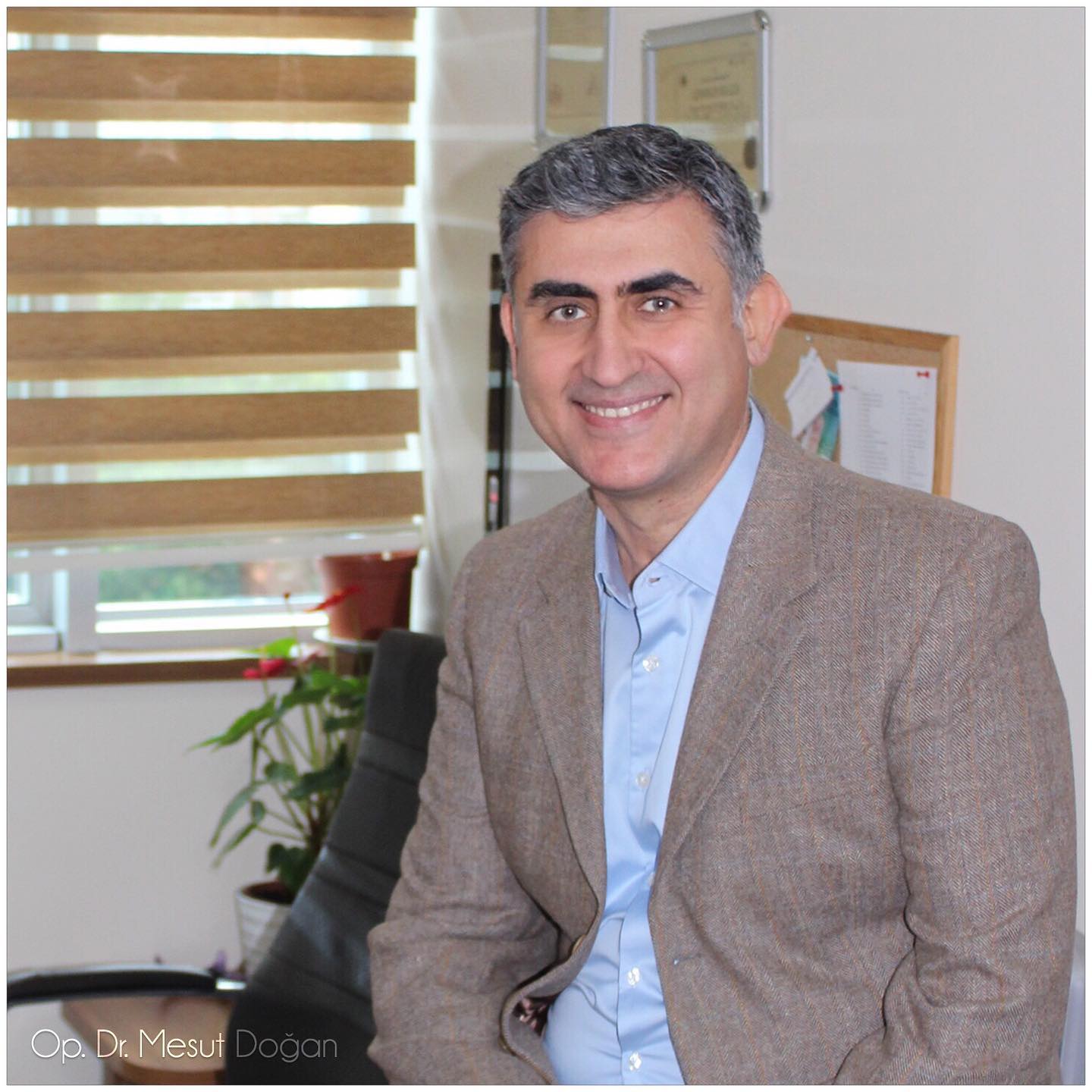
Turkey and Istanbul have become the most established destinations internationally for functional nasal surgery. Surgeons at accredited Istanbul hospitals carry out high annual volumes of functional rhinoplasty across all of its component procedures, including septoplasty, nasal valve repair, and turbinate reduction. Dr. Dogan at Private Aile Hospital performs functional rhinoplasty at approximately half the London equivalent cost, with no reduction in surgical standard or technology. For a broader overview, see our Rhinoplasty in Turkey page.
Conditions That Functional Rhinoplasty Addresses
Nasal obstruction is rarely caused by a single structural problem. Most patients presenting for functional rhinoplasty have a combination of contributing factors, and the surgical plan addresses each of the relevant components rather than treating the obstruction as a single undifferentiated problem.
The nasal septum, the cartilage and bone wall dividing the two nasal passages, deviates from the midline in a significant proportion of adults. A moderate to severe deviation restricts airflow through one or both nostrils, causing persistent congestion on the affected side. Correction through septoplasty repositions the septum to the midline, restoring symmetric airflow.
The nasal valves are the narrowest points of the nasal airway, located at the internal junction between the septum and the upper lateral cartilages and at the external nostril opening. When these structures are weak or collapse inward during inhalation, the result is significant airflow restriction that septoplasty alone cannot correct. Nasal valve repair uses spreader grafts or other structural techniques to restore the valve dimensions.
The turbinates are bony shelf structures inside the nasal cavity that warm and filter incoming air. When they become chronically enlarged, typically due to allergies or chronic rhinitis, they reduce the nasal airway significantly. Turbinate reduction through surgical or radiofrequency techniques reduces their volume while preserving their mucosal function.
A nasal fracture or previous surgical alteration may leave the internal nasal architecture misaligned, with deviated structures, collapsed valves, or adhesions that compromise airflow. Functional correction in these cases requires careful structural reconstruction of the affected components, often through the open rhinoplasty approach to allow direct visualisation of the deformity.
If you have both breathing difficulties and cosmetic concerns, septorhinoplasty addresses both in a single procedure.
Septorhinoplasty in TurkeyFunctional vs. Cosmetic Rhinoplasty: Understanding the Distinction
The boundary between functional and cosmetic rhinoplasty is less clearly defined in practice than it appears in theory. The nasal structure is a single interconnected system, and changes made for functional reasons frequently affect external appearance, while cosmetic modifications can have meaningful functional consequences when performed without accounting for the airway.
| Functional Rhinoplasty | Cosmetic Rhinoplasty | Combined (Septorhinoplasty) | |
|---|---|---|---|
| Primary goal | Restore nasal airflow and function | Improve external nasal appearance | Both simultaneously |
| Structures addressed | Septum, valves, turbinates, internal anatomy | External cartilage, bone, tip, dorsum | Internal and external structures |
| External change | Possible but not the primary aim | Yes, this is the primary aim | Yes |
| Indicated when | Breathing impairment without cosmetic concerns | Cosmetic concerns with normal airflow | Both concerns present simultaneously |
| Typical duration | 45 minutes to 2 hours | 1.5 to 3 hours | 2 to 3.5 hours |
Many patients who present believing they need only functional correction are found at consultation to have cosmetic concerns as well, or vice versa. The consultation is where these overlapping goals are identified and the most appropriate surgical plan is determined.
Struggling to breathe through your nose?
Discuss your symptoms with Dr. Dogan in person. London consultation available.Your Functional Rhinoplasty Journey in Istanbul
Functional rhinoplasty is performed under general anaesthesia at Private Aile Hospital in Istanbul. Duration varies from under two hours for isolated septoplasty or turbinate reduction to over three hours when multiple structural components require correction alongside external reshaping. For London-based patients, the pre-operative assessment, including nasal endoscopy and imaging review where indicated, takes place in London before you travel.
Septoplasty
Correction of a deviated septum is performed through an incision inside the nostril, providing access to the septal cartilage and bone without any external incision. The deviated portions are repositioned or partially resected to straighten the septum and restore midline position. The mucosa, the nasal lining, is preserved throughout to maintain the functional surface of the internal nose.
Nasal Valve Repair
Nasal valve collapse requires structural reinforcement of the valve architecture. Spreader grafts, small pieces of cartilage harvested from the septum or ear, are placed alongside the upper lateral cartilages to widen the internal nasal valve angle and prevent collapse during inhalation. For external valve weakness, alar batten grafts provide structural support at the nostril opening. These techniques require precise placement and are most reliably performed through the open rhinoplasty approach when multiple grafts are required.
Turbinate Reduction
Enlarged inferior turbinates are reduced in volume through surgical submucosal resection or radiofrequency ablation, reducing their bulk while preserving the overlying mucosa and its filtration and humidification functions. Turbinate reduction is frequently performed at the same time as septoplasty, as the two conditions commonly coexist and are most efficiently addressed together.
Post-operatively, light internal packing or splints may be placed to support healing structures. Most patients are discharged the following morning. Post-operative follow-ups are conducted in London.
Recovery After Functional Rhinoplasty: A Realistic Timeline
Recovery from functional rhinoplasty varies depending on the specific procedures performed. Isolated septoplasty or turbinate reduction involves a faster recovery than combined functional and cosmetic correction. The functional improvement, particularly improved breathing, often becomes noticeable relatively early in the recovery process, sometimes within the first two weeks as internal swelling resolves.
1–3
Post-operative swelling within the nasal cavity produces a sensation of congestion in the early days. This is normal and resolves progressively. Any internal packing is typically comfortable and pain is well managed with prescribed medication.
1
Internal packing and any external splint are removed at the end of week one, before your return to London. Breathing typically improves noticeably at this point. Return to desk-based work is possible for most patients by day seven.
2–4
As internal swelling continues to resolve, the improvement in nasal airflow becomes increasingly apparent. Most patients describe a meaningful difference in breathing quality during this period. Your first London follow-up appointment falls here.
6
Physical activity resumes with appropriate precautions. The functional benefit is well established by this point. A second London follow-up is scheduled around this milestone.
mo
Internal healing is complete. The corrected structures have stabilised in their new positions and the full functional benefit of the procedure is established. For patients who had combined functional and cosmetic correction, the aesthetic result continues refining toward twelve to eighteen months.
Expert Perspective: The Airway Comes First
The principle I apply consistently is that the airway takes priority. If a patient presents with both cosmetic and functional concerns, the functional correction is planned first and the cosmetic plan is built around it. This matters because some cosmetic modifications, particularly aggressive reduction of the dorsum or tip, can compromise the nasal valve if they are not planned with the airway in mind. A nose that looks refined but breathes poorly is not a successful result.
Nasal valve collapse is the functional problem that I find most frequently underdiagnosed in patients who come to me having already been assessed elsewhere. A patient complains of nasal obstruction, a deviated septum is identified and corrected, and yet the obstruction persists. In many of these cases, the persistent problem is internal or external valve weakness that was not identified or addressed. The valve is the bottleneck of the nasal airway, and correcting septal deviation without addressing valve incompetence produces incomplete results.
For patients based in London, the pre-operative assessment takes place before you travel. Nasal endoscopy, where indicated, allows direct visualisation of the internal anatomy and identifies valve problems and turbinate hypertrophy that are not apparent on external examination. By the time a patient arrives in Istanbul, every component of their obstruction has been identified and the surgical plan addresses all of them in a single operation.
Is Functional Rhinoplasty Safe in Turkey?
Functional rhinoplasty, including septoplasty, nasal valve repair, and turbinate reduction, is performed routinely at accredited hospitals in Istanbul to Western European standards. Turkey has a long-established medical infrastructure for ENT surgery specifically, which is the parent specialty of functional nasal surgery. Surgeons performing these procedures at accredited facilities complete residency training equivalent to UK ENT programmes.
For patients travelling from the UK, the pre-operative consultation with Dr. Dogan takes place in London before any commitment to travel is made. The nasal assessment, including functional evaluation and imaging review where indicated, is completed at that appointment. Post-operative follow-ups are conducted in London, meaning the complete patient pathway from first assessment to final review takes place without requiring a return trip to Istanbul.
Functional Rhinoplasty Cost: Turkey vs. London
Functional rhinoplasty with Dr. Dogan at Private Aile Hospital in Istanbul is priced at approximately half the London equivalent for a procedure of comparable scope. The surgical fee includes hospital accommodation. The cost difference reflects Turkey’s lower operational overheads, not a difference in surgical standard, technique, or outcome quality.
For a detailed cost estimate based on your specific anatomy and the functional corrections required, this is best discussed during your London consultation.
Frequently Asked Questions
If breathing is your only concern with no cosmetic goals, septoplasty may be the more appropriate procedure.
Septoplasty in TurkeyConcerned about nasal packing after functional surgery? Modern techniques minimise packing discomfort significantly.
Nose Surgery Without TamponsThe information on this page is provided for general informational purposes and does not constitute medical advice. Individual suitability for functional rhinoplasty depends on factors that can only be assessed through a personal consultation, including nasal endoscopy where indicated. Outcomes vary between patients.
